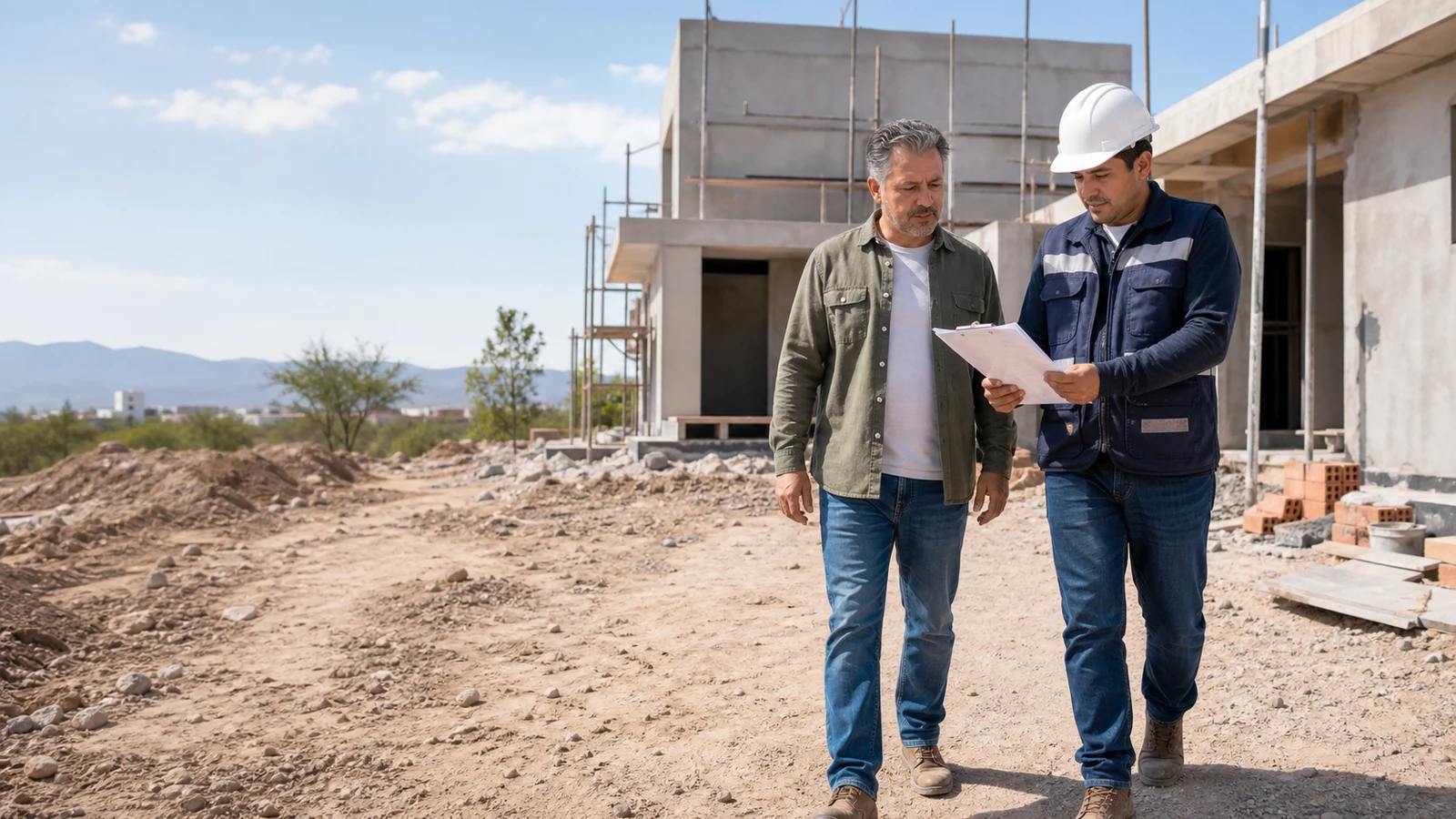
You do not need to be a builder to observe well
A construction visit does not replace technical supervision, but it helps detect doubts, confirm progress and align expectations. The key is to look with order.
Ask which milestone is being executed and what must be completed before the next one.
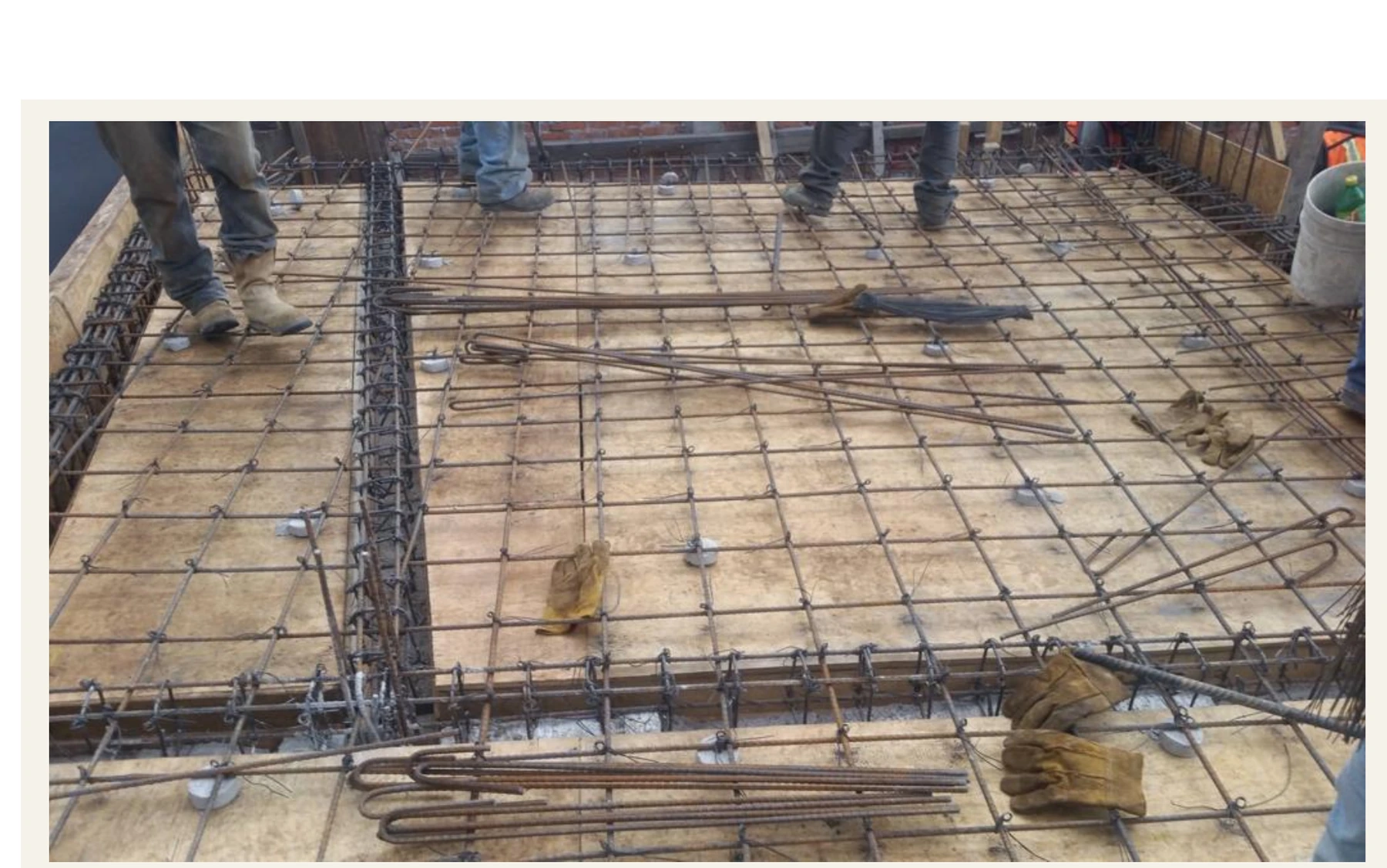
Basic review
- Order, cleanliness and material protection.
- General match with plans and approved changes.
- Visible location of installations before they are covered.
- Pending items, dates and responsible person for each agreement.
Document without confrontation
Take wide photos and write down questions. Good follow-up turns doubts into clear agreements, not memory-based discussions.
Prepare the visit around the right milestone
Before arriving, ask which work should be complete, which drawing is current and which decisions need an answer. This keeps the visit focused on a verifiable milestone instead of a general impression. Bring the previous notes, a short pending-item list and enough time to walk the site calmly.
An owner walkthrough does not replace technical supervision. Its value is confirming daily-use needs, approved changes and commercial agreements. Questions about structure, utilities or safety should go to the responsible professional and be recorded for follow-up.
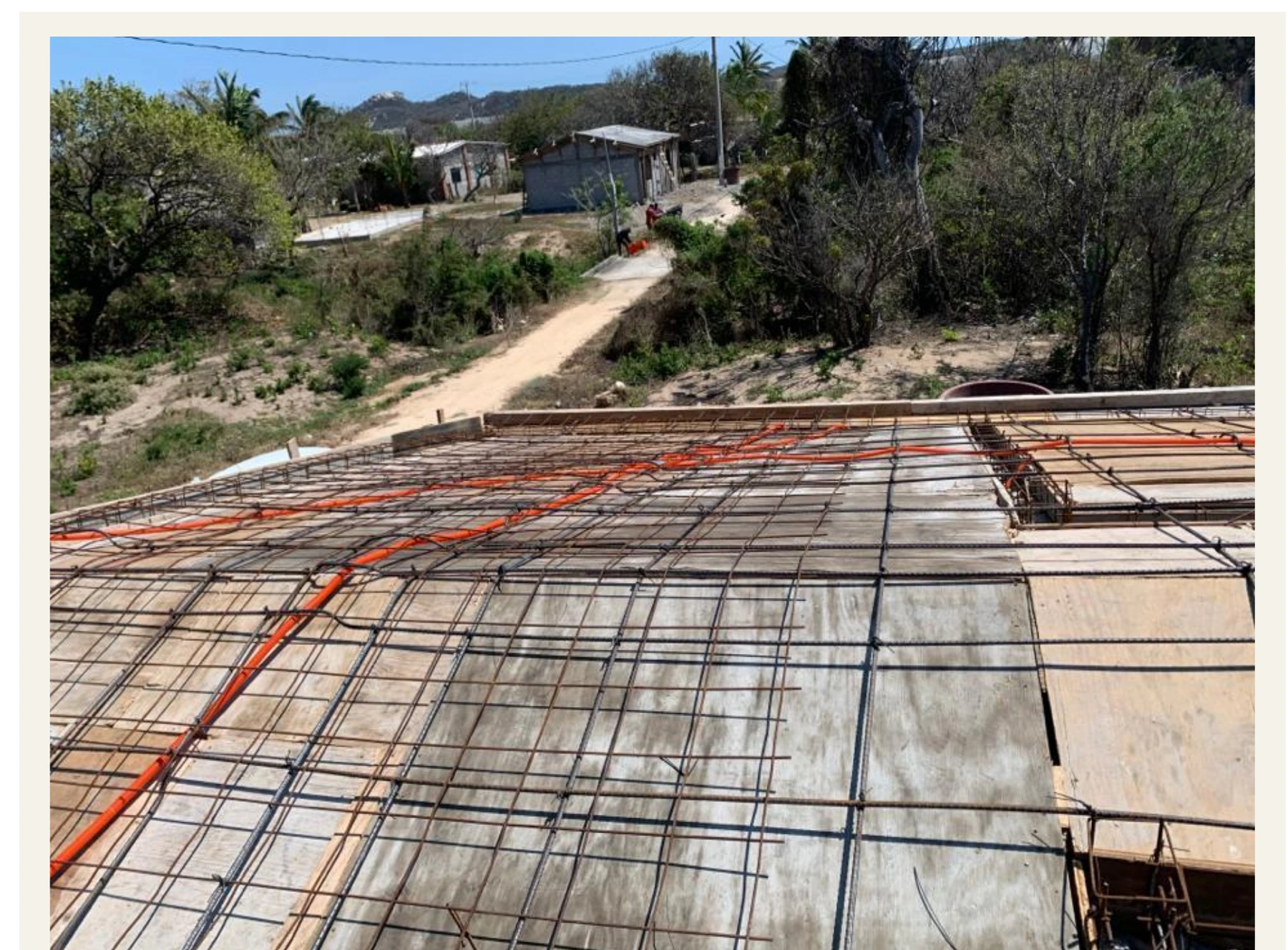
Observe elements before they are concealed
During rough construction, document visible pipe routes, electrical outlets, access boxes and preparations without entering restricted areas. Compare general positions with the drawing and ask how each system will be tested before closure. A useful photograph needs a date, location and enough context to understand it later.
Also review housekeeping, material protection, safe access and waste handling. These are not isolated proof of quality, but they support better process questions. Avoid requesting improvised changes on site: every adjustment should explain cost, schedule and the effect on work already completed.
Leave with agreements that can be closed
At the end, group observations into clarification, correction and requested change. For each one, note the responsible party, required evidence and response date. A short set of shared notes sent the same day is more useful than dozens of unexplained photographs.
Start the next visit with previous items and record which ones are closed. This continuity prevents arguments based on memory and reveals recurring decisions. If you notice an immediate hazard, do not handle it or attempt a repair; report it and follow the site's safety controls.
Arrive with the current drawing and a fixed route
Walk the project in the same order each time: exterior, visible structure, building systems, every room and the roof when safe. Bring the approved drawing and earlier punch list. Photograph from repeatable points. This supports comparison between visits and prevents one attractive finish from distracting attention from unchecked work.
Do not give direct instructions to crews outside the project lead's process. Record the finding, location, evidence, owner and response date. Separate a question from a confirmed defect. When the next activity will conceal work, request inspection before it is covered. The visit should produce decisions and a traceable record.