
Northern identity
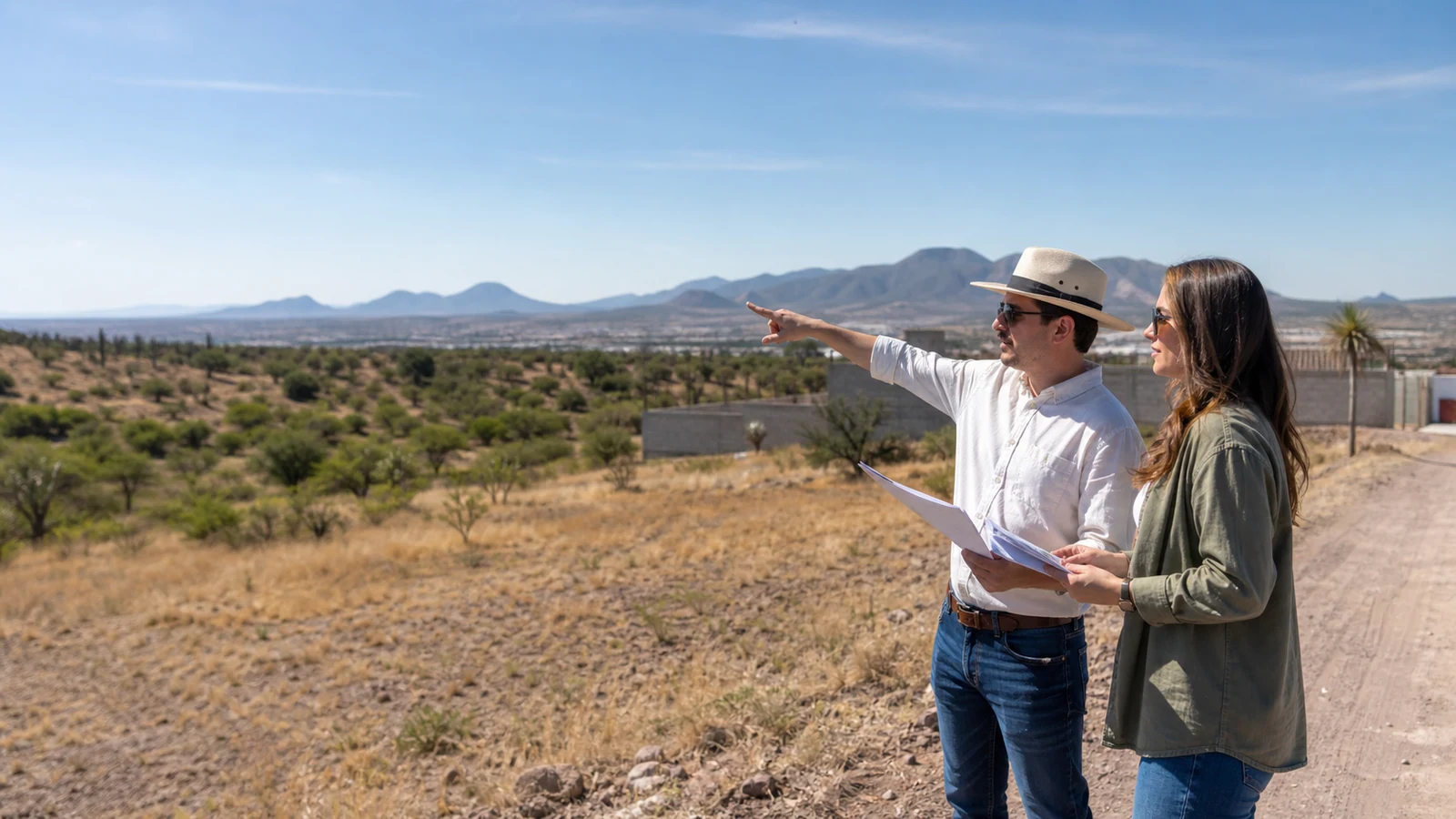
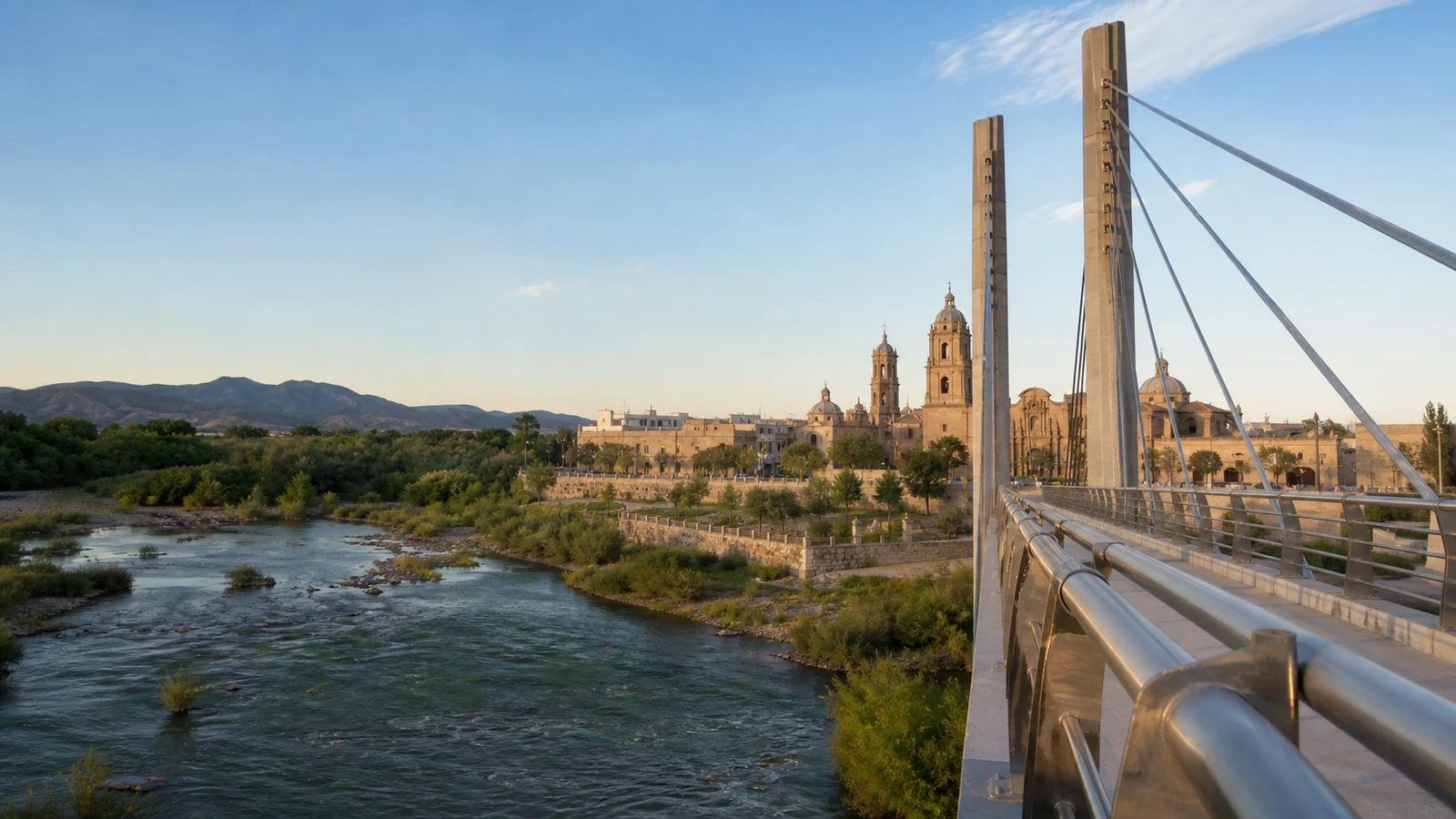
Durango's location shapes its culture, economy, climate and development patterns.
Why it matters for real estate
Regional context helps buyers understand growth corridors, services and investment potential.
| Regional factor | Impact on the property | What to verify | Practical decision |
|---|---|---|---|
| Elevation and temperature swings | Greater need for insulation and effective seals | Orientation, windows and roof insulation | Prioritize thermal comfort over finishes |
| Terrain and runoff | May affect foundations and stormwater control | Survey, slopes and drainage route | Request a site study before designing |
| North-central connectivity | Changes travel times and construction logistics | Actual routes to work, services and suppliers | Compare journeys during normal peak hours |
| Urban expansion | Appreciation depends on infrastructure that truly exists | Completed water, sewer, power and roads | Buy based on verified services, not promises |
Explain the region with explicit criteria
Clarify whether you mean an administrative division, cultural region, climate, watershed or market. Boundaries change with the question, and a broad label can hide differences. Use official maps for location and specialized sources for each topic, stating year and scale.
For housing or business, translate the regional label into observable variables: temperature, rain, routes, supplier distance, materials and patterns of use. Then check those facts in the specific locality. Saying Durango lies in northern Mexico orients the reader; a decision needs more precise information that can be measured and updated.