Design for the dog who actually lives there
A dog-friendly yard requires more than grass and a tall fence. It should reduce escapes and injuries, provide rest, protect against weather and match the dog's size, age, health and behavior. It complements indoor family life; it does not replace companionship, walks, supervision or veterinary care.
- Observe jumping, digging, climbing and chewing behavior.
- Consider heat, cold, joints and paw condition.
- Assess reactions to dogs, people, traffic and noise.
- Inspect protrusions, gaps, cables and swallowable objects at dog height.
Boundaries, gates and escape prevention
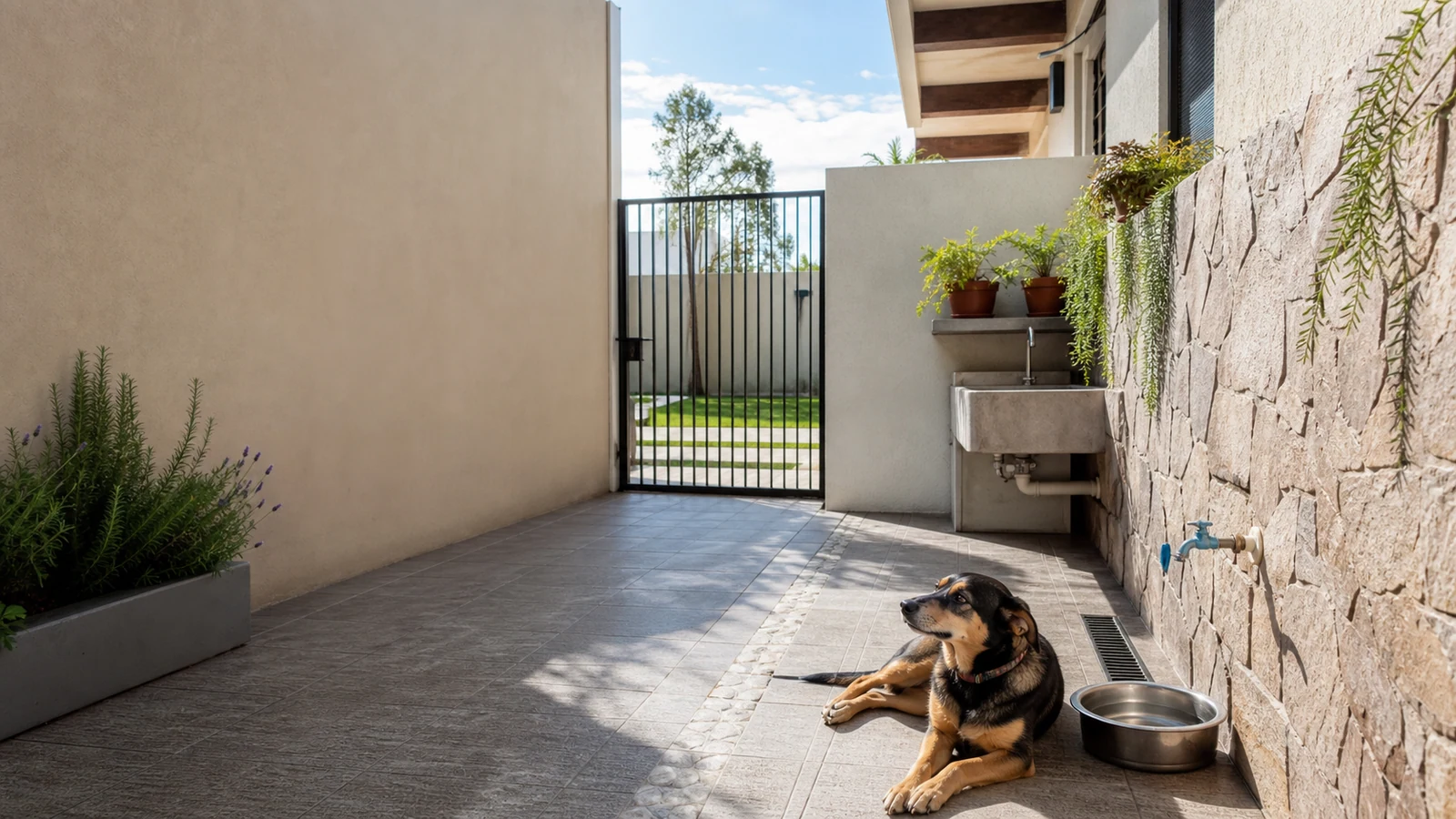
The fence should be continuous, robust and suited to the dog. Height is not enough: inspect the bottom edge, junctions, gaps and nearby objects that may become steps. Use controlled latches and consider a two-gate entry when the yard opens directly toward the street.
Avoid exposed points, barbed wire and solutions that can cause injury. A partial visual screen may reduce outside triggers as long as ventilation and supervision remain possible.
Flooring, drainage and maintenance
Combine a firm route, a softer play area and a designated toilet zone. Review wet and dry traction, sun temperature, edges, slopes, cleaning and drain covers that are safe for paws and nails.
Concrete, natural grass and artificial turf have different benefits and maintenance demands. No surface should be assumed cool or safe without testing it under the yard's real conditions.
| Zone | Goal | Recommended approach | Routine check |
|---|---|---|---|
| Boundary | Prevent escape and unsafe contact | Continuous fence, protected base and closed junctions | Gaps, rust and digging |
| Entry | Reduce gate escapes | Secure latch and, where possible, two-gate entry | Hinges, closure and key |
| Surface | Avoid slips and burns | Mixed nonslip surfaces with shade | Heat, wear and sharp edges |
| Drainage | Keep the space dry | Controlled slope and paw-safe drains | Standing water, odors and blockages |
| Climate | Reduce heat stress | Broad shade, water and indoor access | Sun path and temperature |
| Rest | Support recovery | Dry, quiet and ventilated retreat | Moisture, cleanliness and wear |
| Play | Support natural behavior | Scent work, toys and stable equipment | Breakage and loose parts |
| Garden | Reduce poisoning risk | Verified plants and locked chemicals | New growth, fungi and treatments |
Shade, water and weather protection
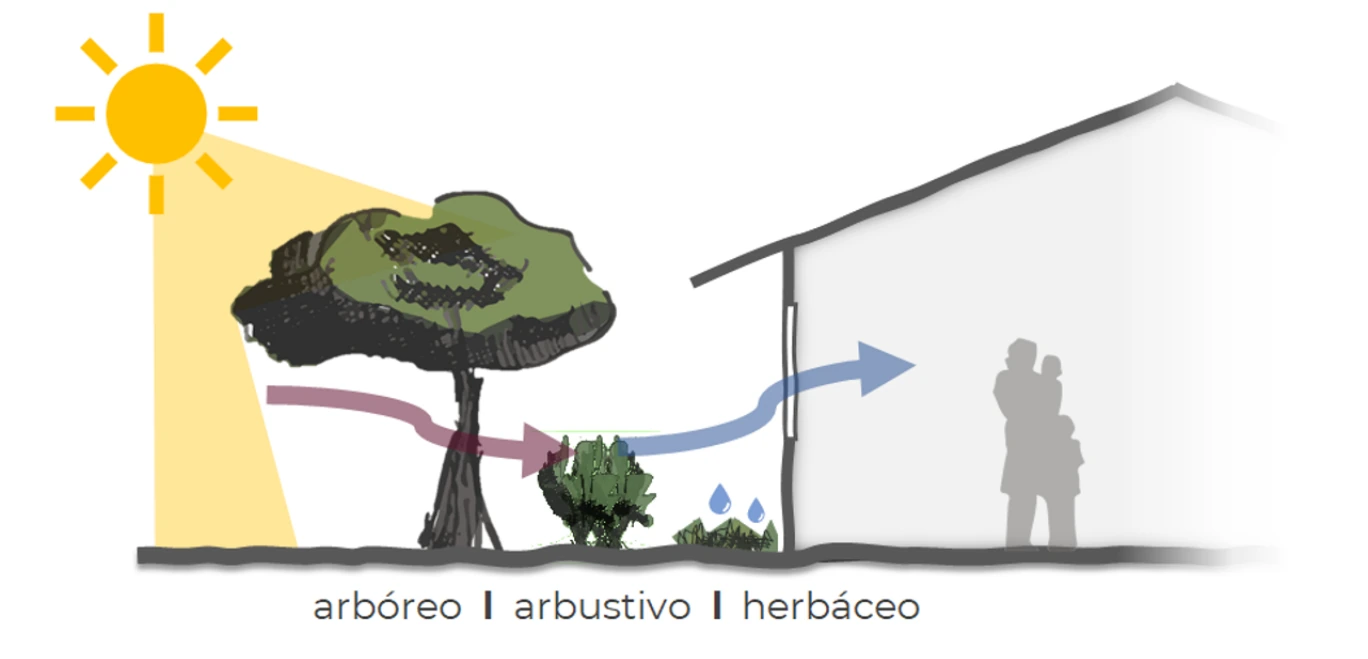
Shade must exist during the actual hours of use, not only in the morning. Track the sun, provide fresh water in a stable bowl and preserve indoor access during extreme temperatures. Puppies, seniors, sick dogs and flat-faced breeds may require additional protection.
An uninsulated metal roof can trap heat. Check surface and shelter temperatures before assuming that the covered area is comfortable.
Plants, chemicals and hazardous objects
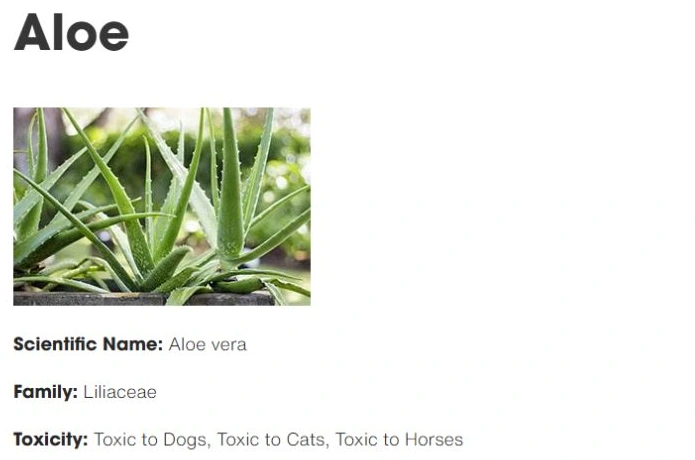
Verify the common and scientific name of each plant through a veterinary source. Keep fertilizers, pesticides, poisons, compost, tools, cables and construction materials out of reach. Protect pools, water tanks and storage containers.
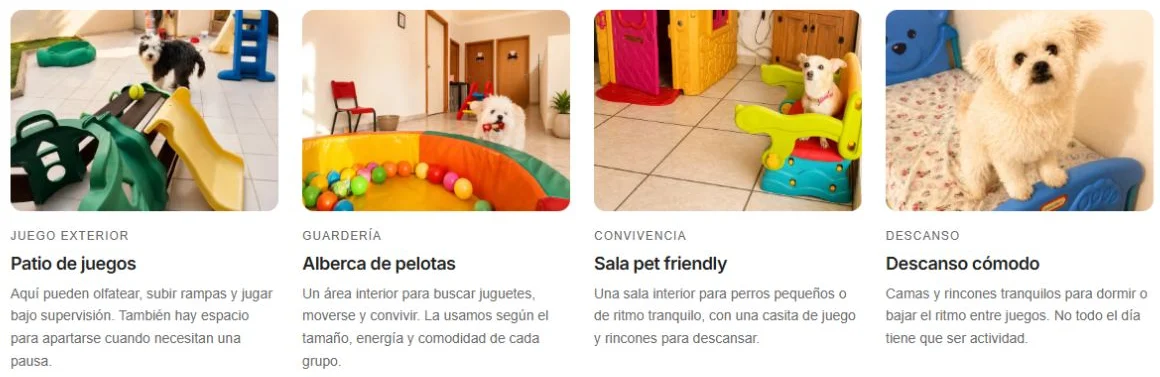
Villa CanInna's dog-friendly facilities provide a local reference for separate rest, social and supervised-play spaces. At home, the solution must match the size, health and behavior of the dog who will actually use the yard.
Rest, play and enrichment zones
- Keep an open route and a quiet, ventilated retreat.
- Use a washable bed and a low, stable platform.
- Rotate suitable toys and remove damaged pieces.
- Consider safe scent and permitted-digging areas.
- Add a paw-washing point and a separate toilet area.
- Supervise the first interaction after every change.
Observe behavior before choosing materials
Record where the dog runs, digs, rests, watches and seeks shade. Check gaps, enclosure height, gates, plants, chemicals, hot surfaces and standing water. Separate vehicle access and create a double-control entrance when escape is a risk. Yard size does not correct an unsafe route.
Provide shade during critical hours, clean water, drainage, slip-resistant ground and a protected resting place. Identify every plant and confirm toxicity. Test surface temperature and cleaning before covering the whole area. Adapt the space to the animal's age, size, health and level of supervision.