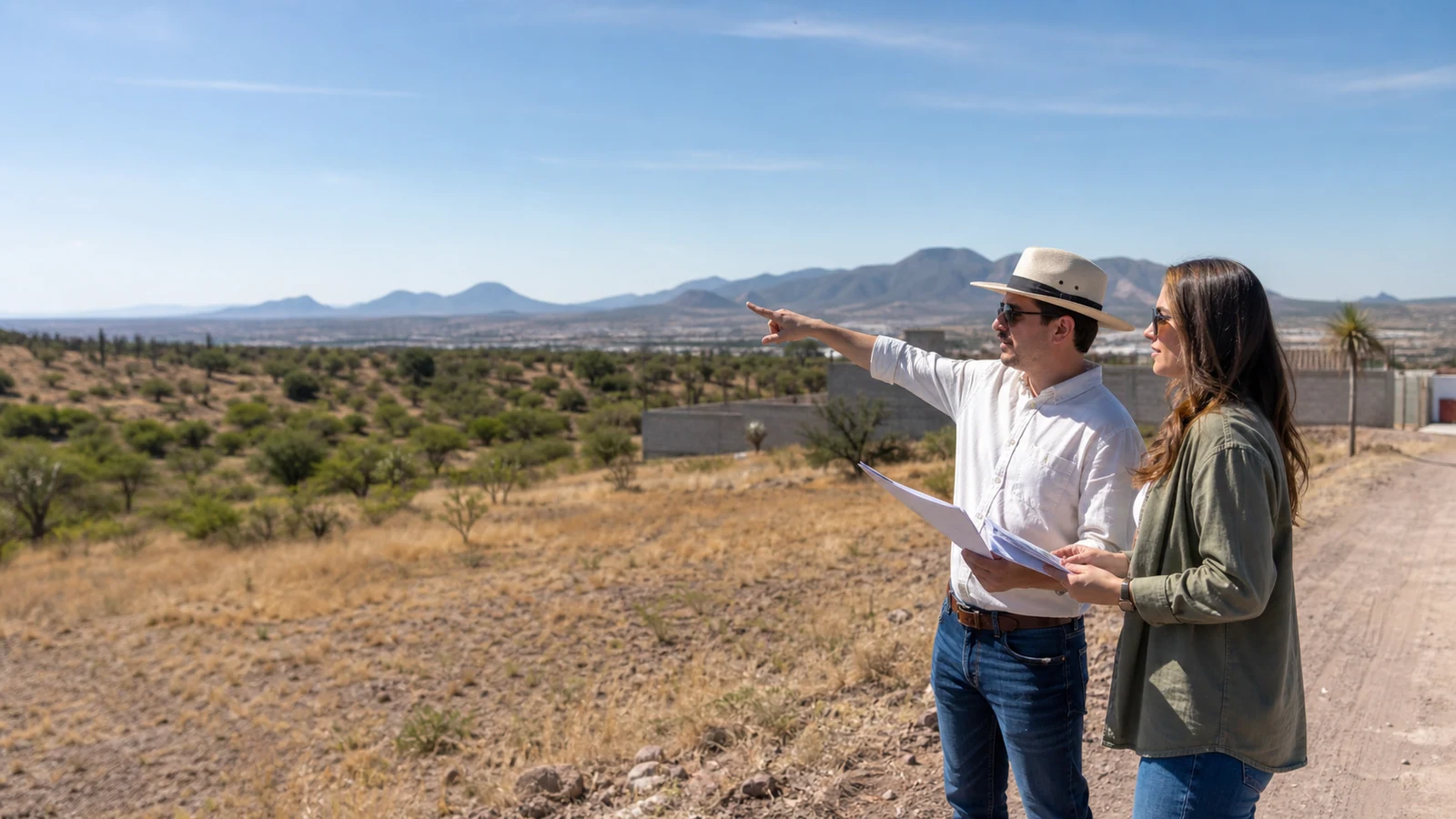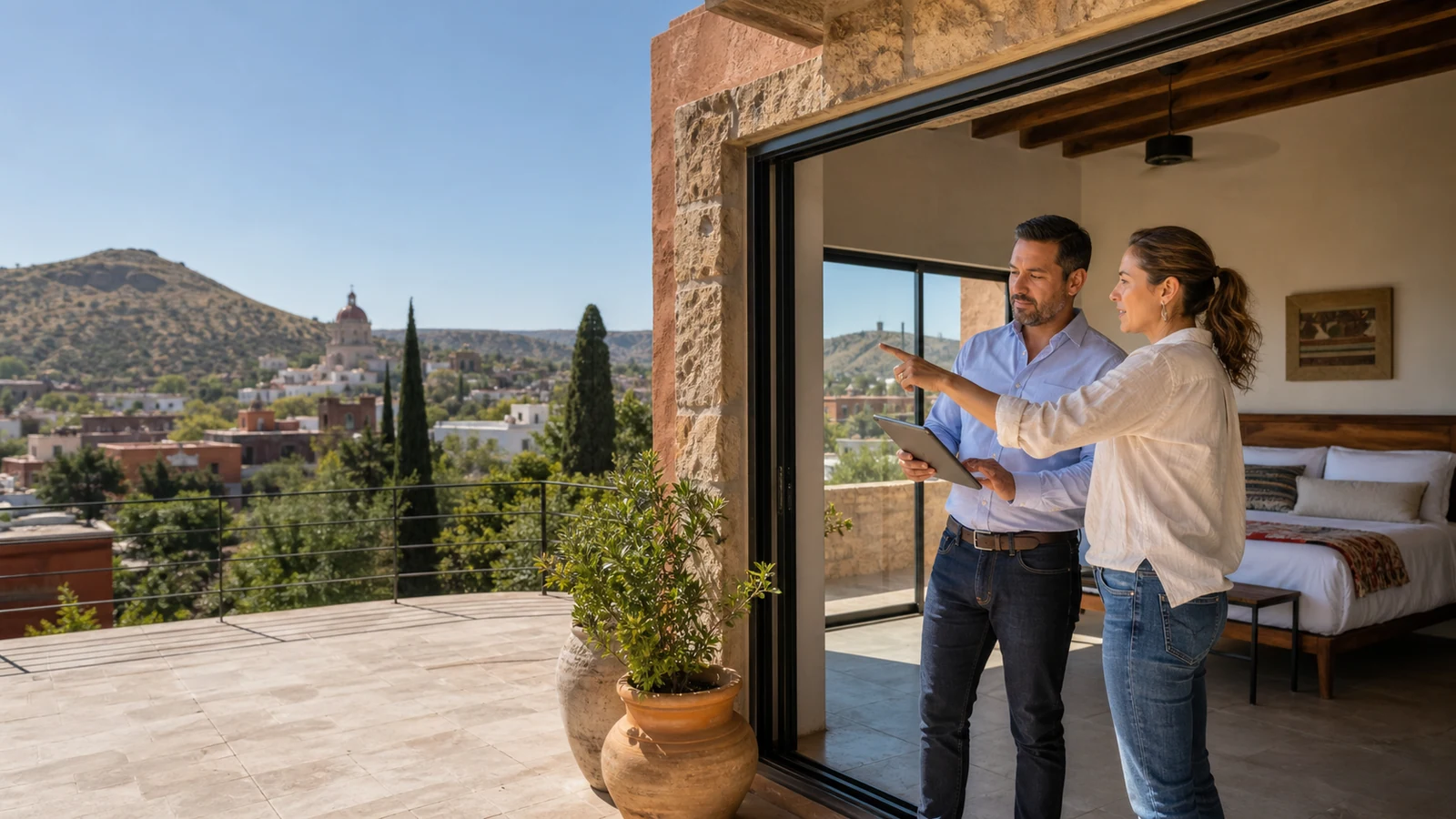
An attractive house is not always a sound investment
The property must work in its micro-location, operate under the applicable rules and produce cash after every cost. Build conservative, base and favorable scenarios before buying; maximum occupancy should never become the central budget.

The following thirteen factors separate enthusiasm from analysis. No single factor decides the purchase; the opportunity exists when regulation, demand, property, numbers and operations are compatible.
Legal feasibility: factors 1, 2 and 3
Begin with local rules, permits, registrations, safety obligations, tax treatment and zoning. Then confirm that the deed, ownership regime and recent condominium decisions do not restrict short stays, guest access, noise or amenities.
-
- Hosting regulations and registrations in the jurisdiction.
-
- Property or condominium rules and recent decisions.
-
- Title, owner, liens, debts and approved construction.
Demand and complete numbers: factors 4 through 9
Identify what creates year-round travel to that exact area and compare only properties with similar capacity, parking, quality and location. Separate weekends, weekdays, peak periods and weak months.
The model should include price, closing, furniture, adaptations, permits and working capital. Forecast collected revenue after discounts and blocked dates; then deduct platform fees, unrecovered turnover, laundry, utilities, maintenance, management, insurance, taxes, replacements and debt.
| Factor | Decision question | Warning sign | Evidence or calculation |
|---|---|---|---|
| 1. Regulation | Is short-term hosting allowed and registered? | Other hosts are the only evidence | Applicable rule, license or registration |
| 2. Condominium | Do rules permit temporary guests? | Bans, fines or recurring disputes | Rules and recent meeting records |
| 3. Legal status | Do title, records and construction match? | Liens, debt or unapproved additions | Professionally reviewed property file |
| 4. Micro-location | What generates year-round trips? | Demand depends on one event | Verified demand generators and routes |
| 5. Comparables | What do genuinely similar homes achieve? | Only advertised rates are compared | Set matched by area, capacity and quality |
| 6. Seasonality | How do rates and nights vary monthly? | Peak season is extended across the year | Monthly series and three scenarios |
| 7. Total investment | What is the ready-to-open cost with reserves? | Budget covers only price and furniture | Closing, setup and working capital |
| 8. Revenue | Does the conservative case cover costs? | Maximum occupancy is assumed | Rate, occupied nights and blocked dates |
| 9. Costs and debt | What remains after every expense? | Gross bookings are called profit | Operating result and cash after debt |
| 10. Layout | Is advertised capacity comfortable? | Too many beds and too little privacy | Walk-through and practical use test |
| 11. Safety | Are inspection, maintenance and insurance adequate? | Only platform protection is considered | Technical report and reviewed policy |
| 12. Operations | Who owns every task and emergency? | No budget for time or management | Process, owners and backup coverage |
| 13. Exit | Can the property support another use? | Returns depend on one channel | Long-term rental or resale scenario |
Guest product and safety: factors 10 and 11
Advertised capacity must work in practice. Review bathrooms, privacy, storage, ventilation, hot water, internet, noise, lighting and parking. Adding beds does not improve a property when the rest of the layout cannot support a comfortable stay.
Inspect electrical and gas systems, rails, locks, moisture, exit routes and deferred maintenance. Protection offered through a platform should not automatically be treated as a substitute for insurance that covers the property's actual use.
Daily operations and obligations: factor 12
Every booking creates messaging, access, cleaning, laundry, inspection, replacement, maintenance, pricing and owner-reporting work. When the owner does not live nearby or will not coordinate vendors, management belongs in the financial model from the start.
Valmar's property and vacation-rental management services illustrate the tasks required to manage listings, bookings, guest communication and owner follow-up. Income also needs professional review to determine registration, invoicing, withholding and applicable taxes.
Liquidity and exit planning: factor 13
The investment should remain defensible if occupancy falls, rules change or the owner needs to sell. Test whether the home can support a long-term lease, residential use or resale without depending on one platform.
- The operation is legal and compatible with the property regime.
- The conservative scenario covers expenses and debt.
- A reserve exists for repairs and unexpected costs.
- Management has accountable owners and backup vendors.
- The property retains reasonable alternative uses.
Model the operation before choosing the property
Build a monthly calendar with rate, occupancy, cleaning, platform fees, utilities, maintenance, replacement, taxes and management. Use genuinely comparable listings and lower revenue in the slow season. Then add debt and a reserve for months without operation. Published gross revenue does not show the cash the owner keeps.
Confirm permitted use, condominium rules, security, neighbors, parking and the ability to handle emergencies. Simulate who receives a guest late at night and who fixes a leak. If the property works only with optimistic occupancy or ignored rules, change the scenario or property before committing capital.