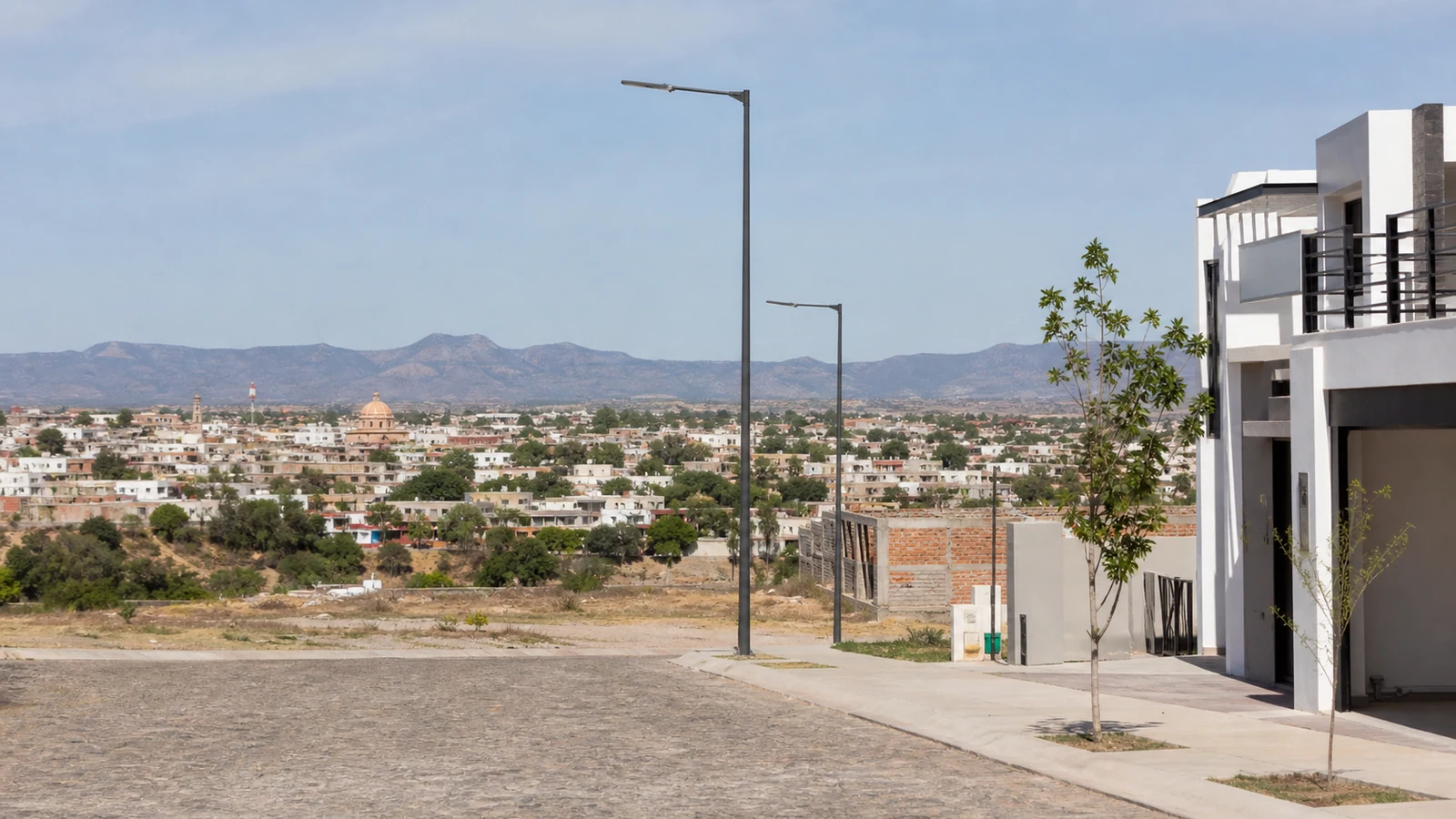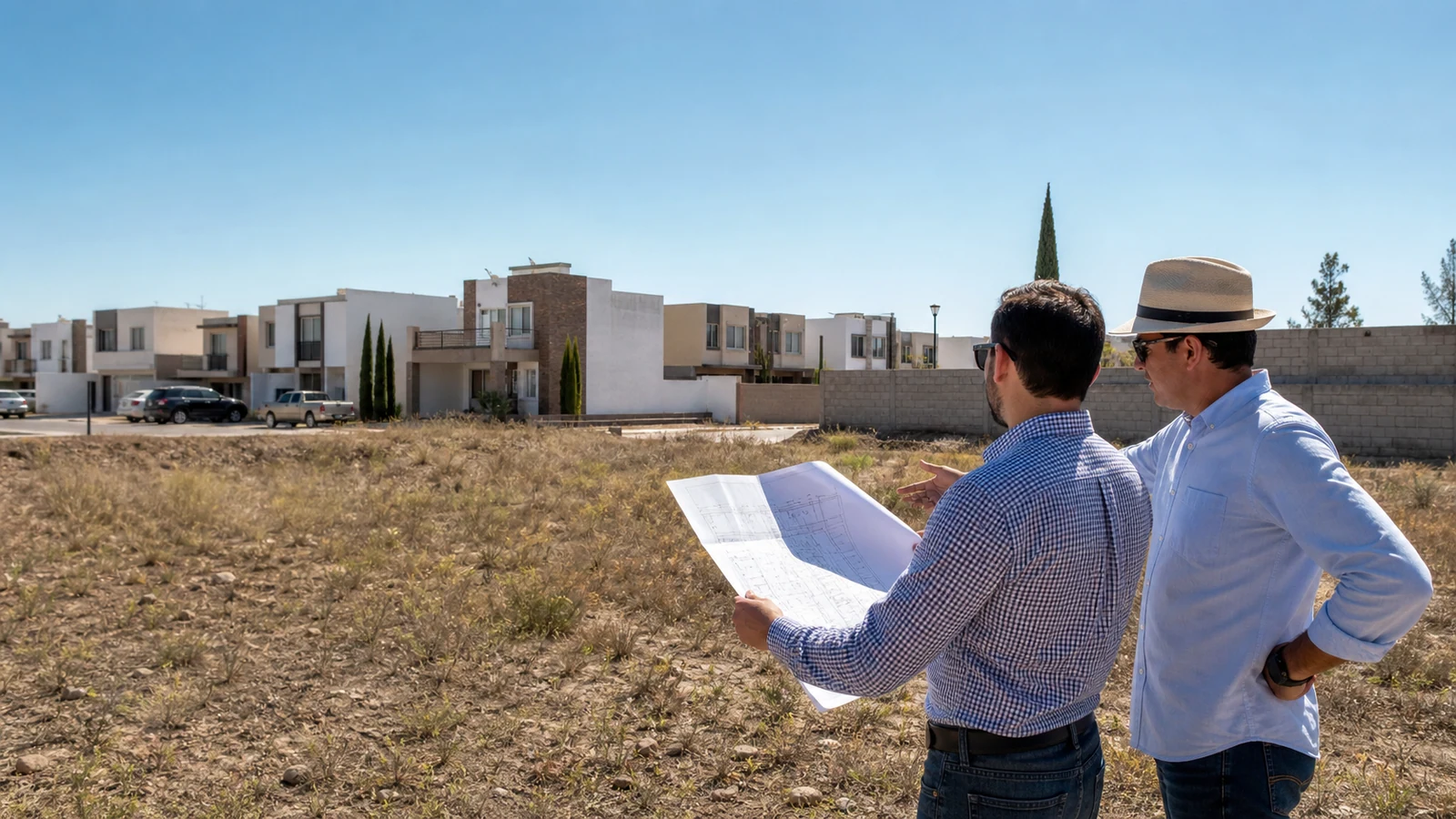
Investing for rent requires another filter
Land for personal living is chosen with emotions and family routine. Land for rental should be evaluated by demand, maintenance, access, tenant profile and operating ease.
The question is not only how much it may appreciate, but how rentable it will be once you build.
Key variables
- Proximity to jobs, schools, hospitals or frequent routes.
- Lot size compatible with a home that is easy to maintain.
- Use rules that allow the project you imagine.
- Construction, equipment and later management cost.
Not everything must be built immediately
You can buy with a future rental horizon if price, area and utilities make sense. Still, calculate conservative scenarios before committing.
Write a use hypothesis before buying
Define who might rent the property, for what use, over what horizon and what must exist for the land to function. Waiting for general growth is not a complete plan. Compare permitted use, dimensions, access, utilities, surroundings and development restrictions with that hypothesis. Separate renting bare land, building to rent and reselling; they require different capital, timing and operation. If the future user cannot be described without relying on one promise, the idea needs more research.
Calculate the period without income
Record the price, applicable taxes and fees, charges, cleaning, security, financing, connections and site preparation. Add time for development, design, permits or construction when relevant. Land can produce expenses for years before it is usable. Work with scenarios rather than a guaranteed rent: base case, delay and early exit. Ask qualified professionals to evaluate taxes, contracts or returns for a specific transaction using current information.
Build a transferable file from the start
Keep the contract, deed when available, payments, registry and cadastral information, plans, rules, utilities and progress communications. Update photographs and physical condition. A future tenant, partner, lender or buyer will need to understand what can be used and under which conditions. Revisit the original hypothesis periodically and define exit criteria. Future occupancy or appreciation is not assured; a clear file and flexibility reduce friction but do not remove risk. Record every review.
Calculate rent from the product you can actually build
Before projecting income, sketch a scheme that respects land use, setbacks, parking, access and utilities. Estimate rentable area after circulation, patios and building systems. Research comparable rents by size, condition and area. A broad average may mix products that serve different tenants.
Build a cash flow including purchase, closing, design, permits, construction, equipment, vacancy, maintenance, taxes and management. Test a lower rent and slower build. When the result depends on perfect occupancy or immediate appreciation, the margin is fragile. Decide now which evidence would make you reject the transaction.