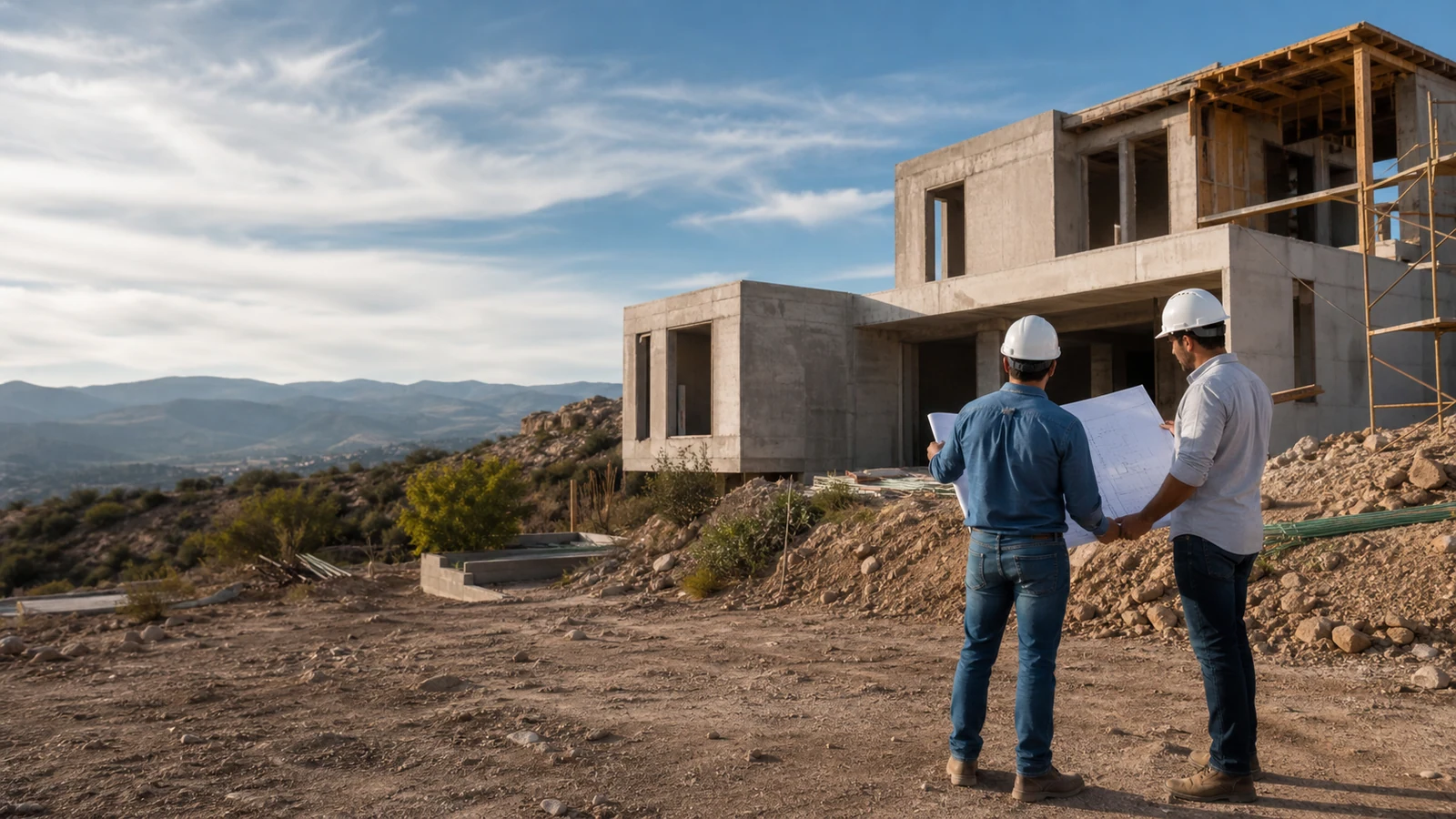
Daily life matters more than the render
A family subdivision must work from Monday to Sunday: commuting, school, shopping, visitors, pets and maintenance. Before getting excited by the image, picture the routine.
Visit at different times if possible. An access point that feels easy at noon can feel different during rush hour or at night.
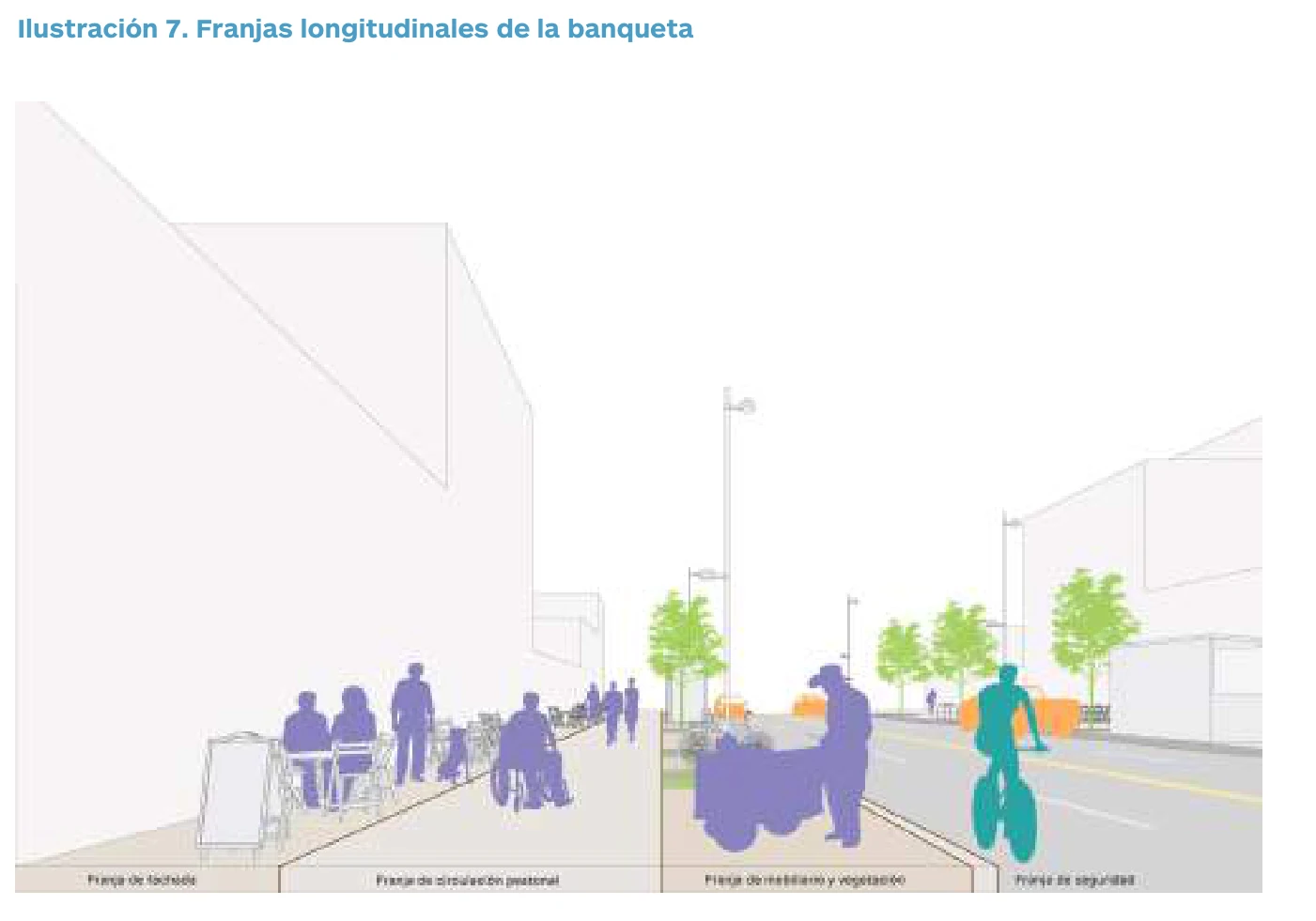
Criteria that change the experience
- Real distance to schools, stores, clinics and frequent routes.
- Streets, sidewalks, lighting, common areas and slopes.
- Construction rules, facades, walls and permitted uses.
- Future stages and how the development will be maintained as it grows.
A decision with horizon
Do not choose only for your current situation. Ask whether the house can grow, whether the lot allows expansions and how the area may evolve over the next few years.
Turn household routines into criteria
List the trips the household will actually make: work, school, shopping, healthcare, care responsibilities and visits. Measure travel time at relevant hours instead of relying only on map distance. Check whether walking, cycling, public transport or driving works for each person. Review lighting, sidewalks, crossings, slopes and entrances. The best location is not a label; it is the one that reduces daily friction without depending on amenities that have not yet been built.
Separate what exists from what is planned
During the visit, distinguish operating services, work in progress and features shown only on plans or renders. Ask about stages, responsible parties, communicated dates and maintenance while the development grows. Request the building and community rules to understand fences, façades, parking, commercial activity, pets and extensions. Amenities add value only when delivery, cost and operation are clear. Document any feature that is central to your decision before signing.
Compare options through a five-year use sheet
Score access, utilities, road safety, rules, the home's ability to grow, recurring costs and document clarity. Add one column for verified facts and another for pending information. Consider reasonable changes: remote work, an extra bedroom, older relatives, children walking independently or a second vehicle. Households need different things; an explicit comparison prevents paying for features you will not use and highlights restrictions that would materially affect family life. Record the score immediately after each visit.
Evaluate an ordinary Tuesday, not a weekend tour
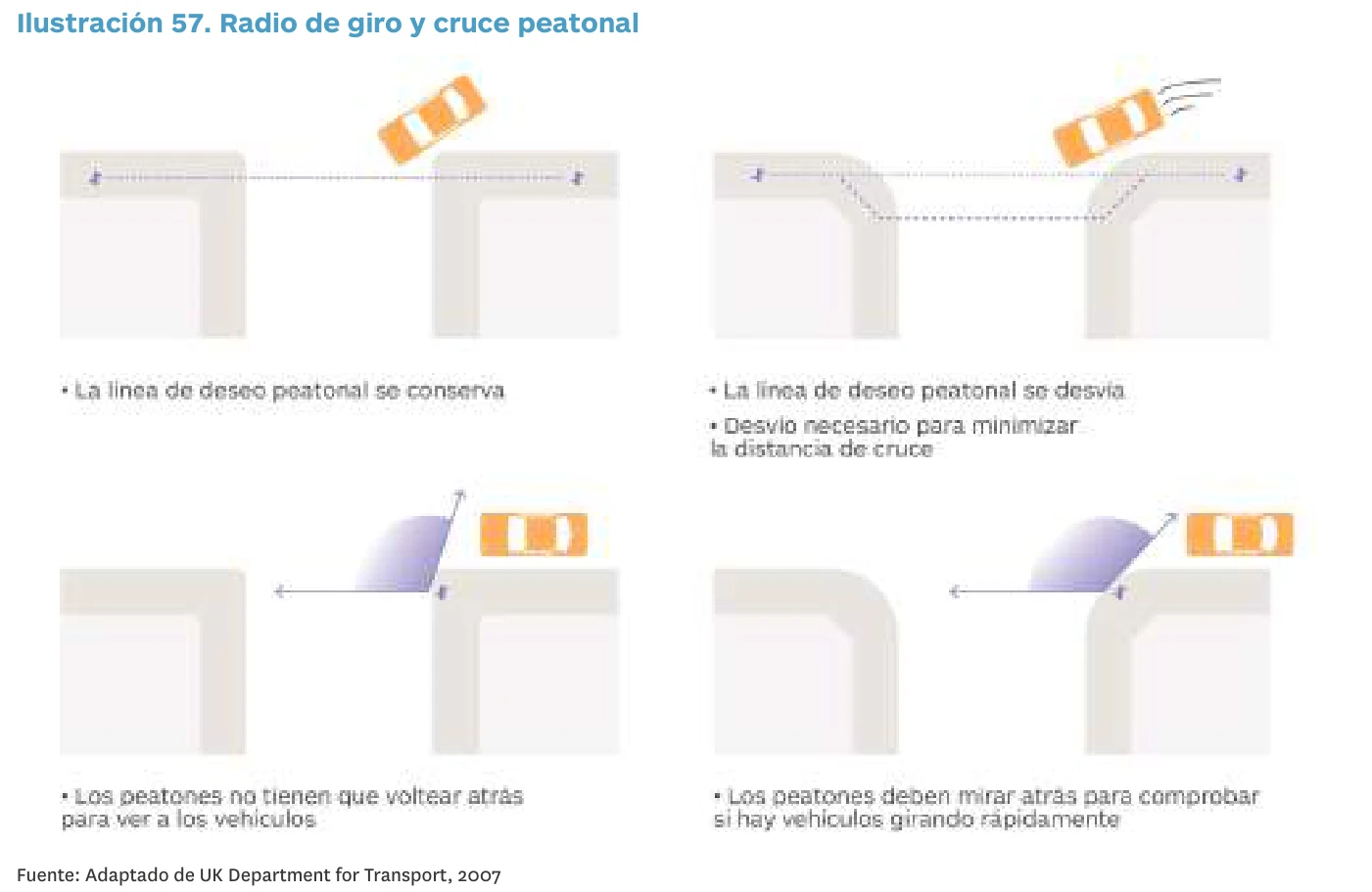
Test the area during school or work arrival time. Measure the door-to-door trip and observe crossings, turns, lighting, transport and alternatives when a main road is blocked. Repeat the route at night. A short advertised distance may hide long detours, traffic or an entrance that is uncomfortable for children or older adults on foot.
Inside the development, look for what the household will use each week: continuous sidewalks, shade, visible play areas, vehicle speed and visitor space. Ask who maintains shared areas and what they cost. An attractive amenity loses value when it lacks rules, funding or a safe route from the home.