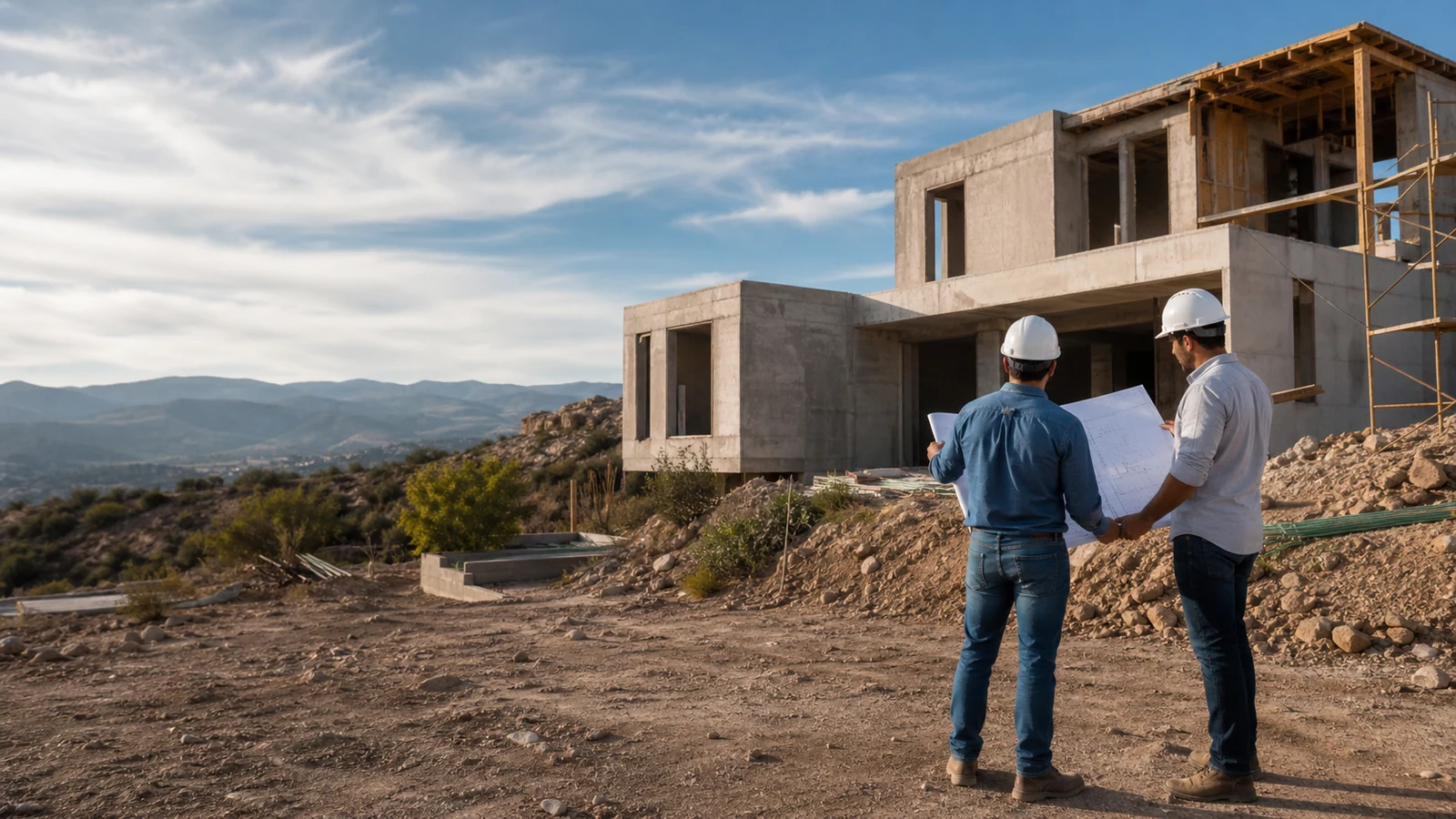
Define scope first
A clear scope helps control budget, schedule, materials and expectations throughout the build.
| Stage | Deliverable | Approval before moving on | Who participates |
|---|---|---|---|
| Design | Architectural plans and area schedule | Layout, orientation and built area | Client and architect |
| Engineering | Structural and building-services plans | Systems, materials and coordination | Architect and engineers |
| Budget | Itemized estimate, scope and exclusions | Total, contingency and payment schedule | Client and builder |
| Permits | Applicable permits and approvals | Confirm work may legally start | Technical lead and authority |
| Construction | Schedule, site log and quality reports | Progress and evidence-based payments | Builder and supervisor |
| Handover | Punch list, warranties and final drawings | Acceptance and correction of outstanding items | Client, builder and supervisor |
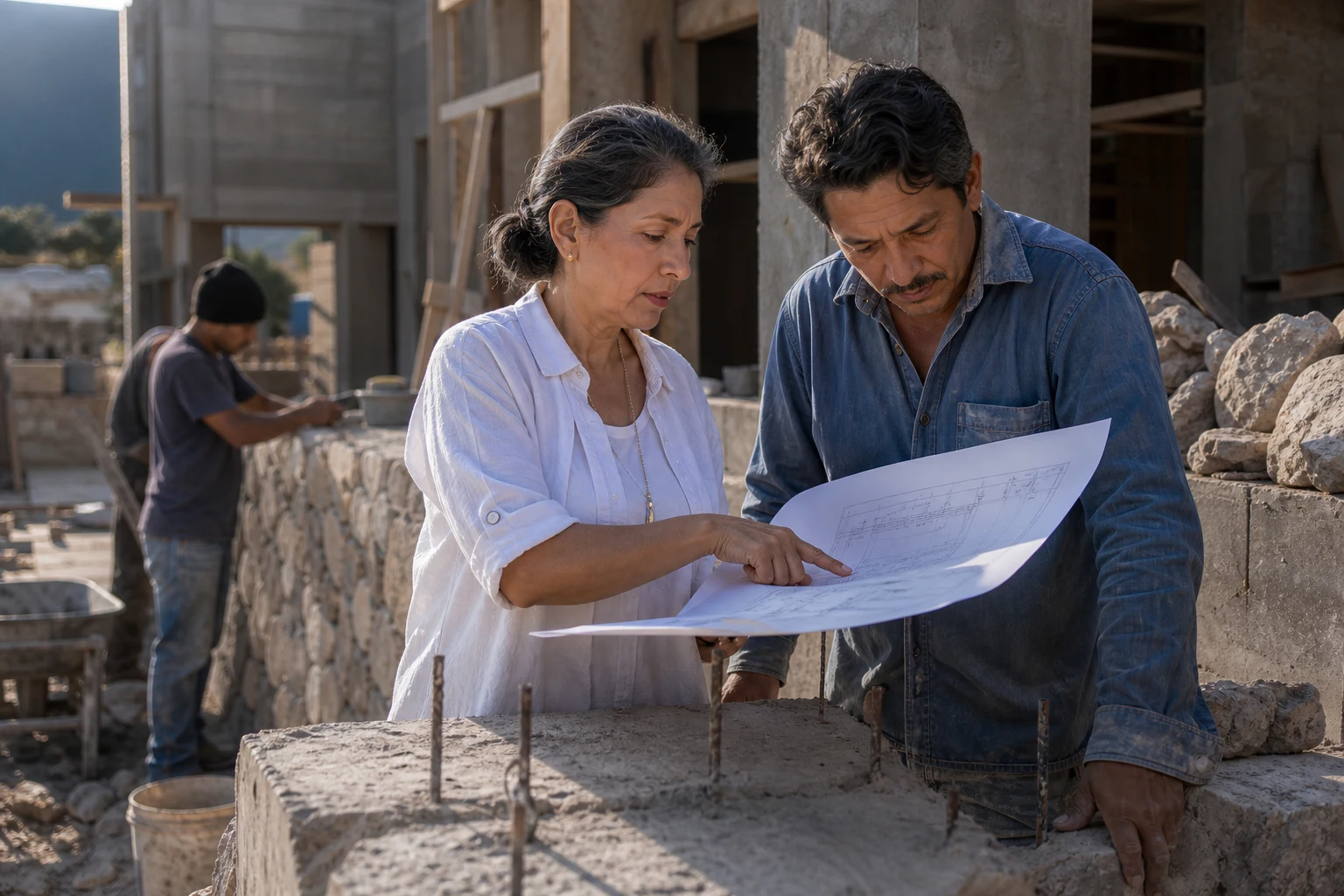
Supervision matters
Good construction depends on planning, materials, quality control and communication at every stage.
Close every phase before concealing it
Set inspection points for layout, foundations, structure, building systems, waterproofing, finishes and commissioning. At each point compare the drawing, specification, test and photograph. Do not let the schedule force reinforcing steel, piping or seals to be covered before observations are reviewed and closed.
Connect payments to measurable quantities and results. Record changes with approved cost and time before execution. At completion request updated drawings, warranties, manuals, tests and an open-item list. Home quality depends on the visible result and on control of work that can no longer be observed later.