Comfort is designed in layers
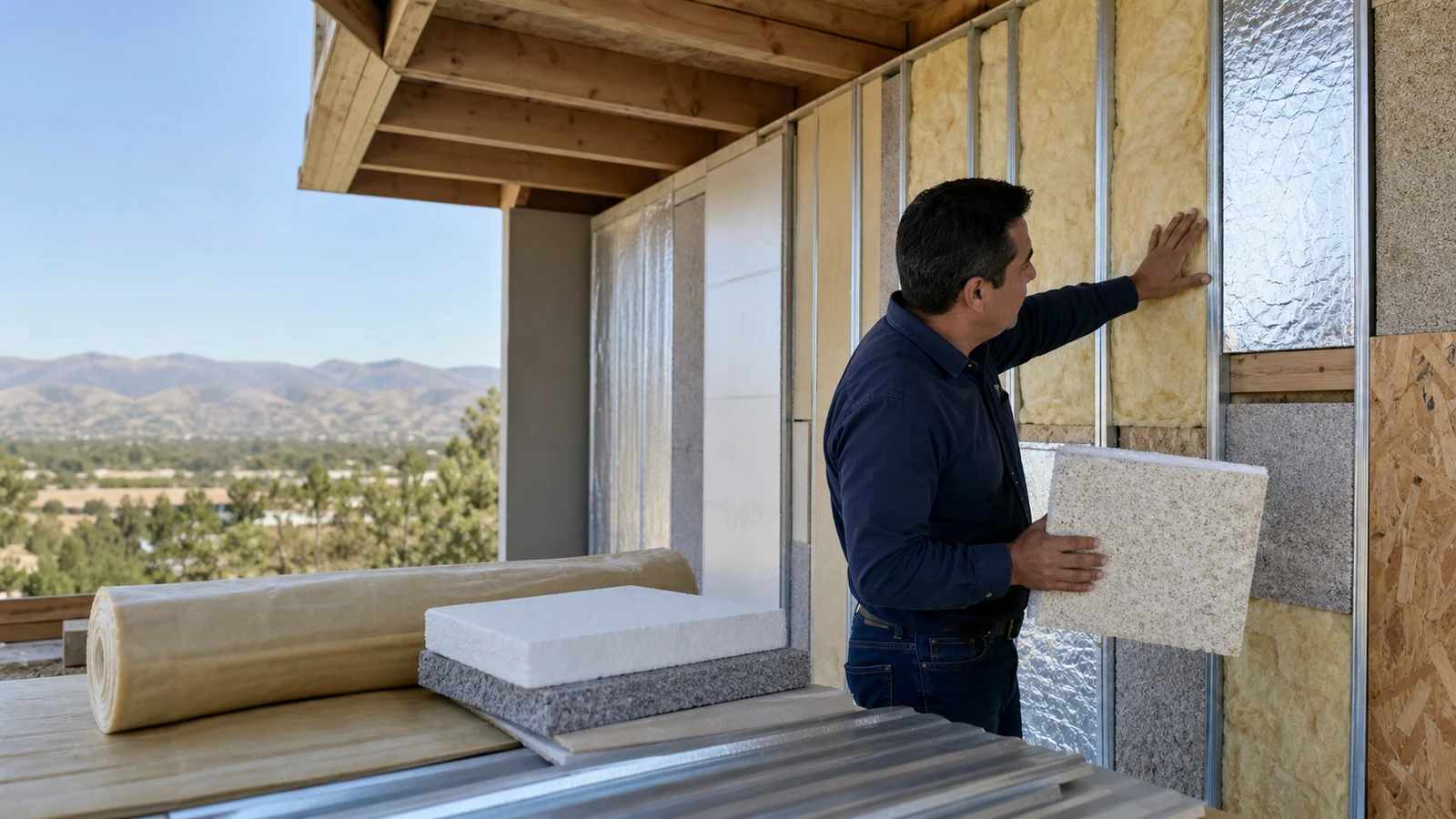
A cool or temperate home does not depend on a single material. The result comes from walls, roof, windows, orientation, shade and ventilation working together.
Strategic investment reduces heat, cold and dependence on equipment.
High-impact points
- Insulation or thermal solutions on the roof.
- Windows with good sealing and sun protection.
- Exterior shade before late interior fixes.
- Cross ventilation and infiltration control.
Ask about performance
Do not ask only about brand or appearance. Ask how each material improves comfort and what maintenance it will need.
Start with climate, orientation and the envelope
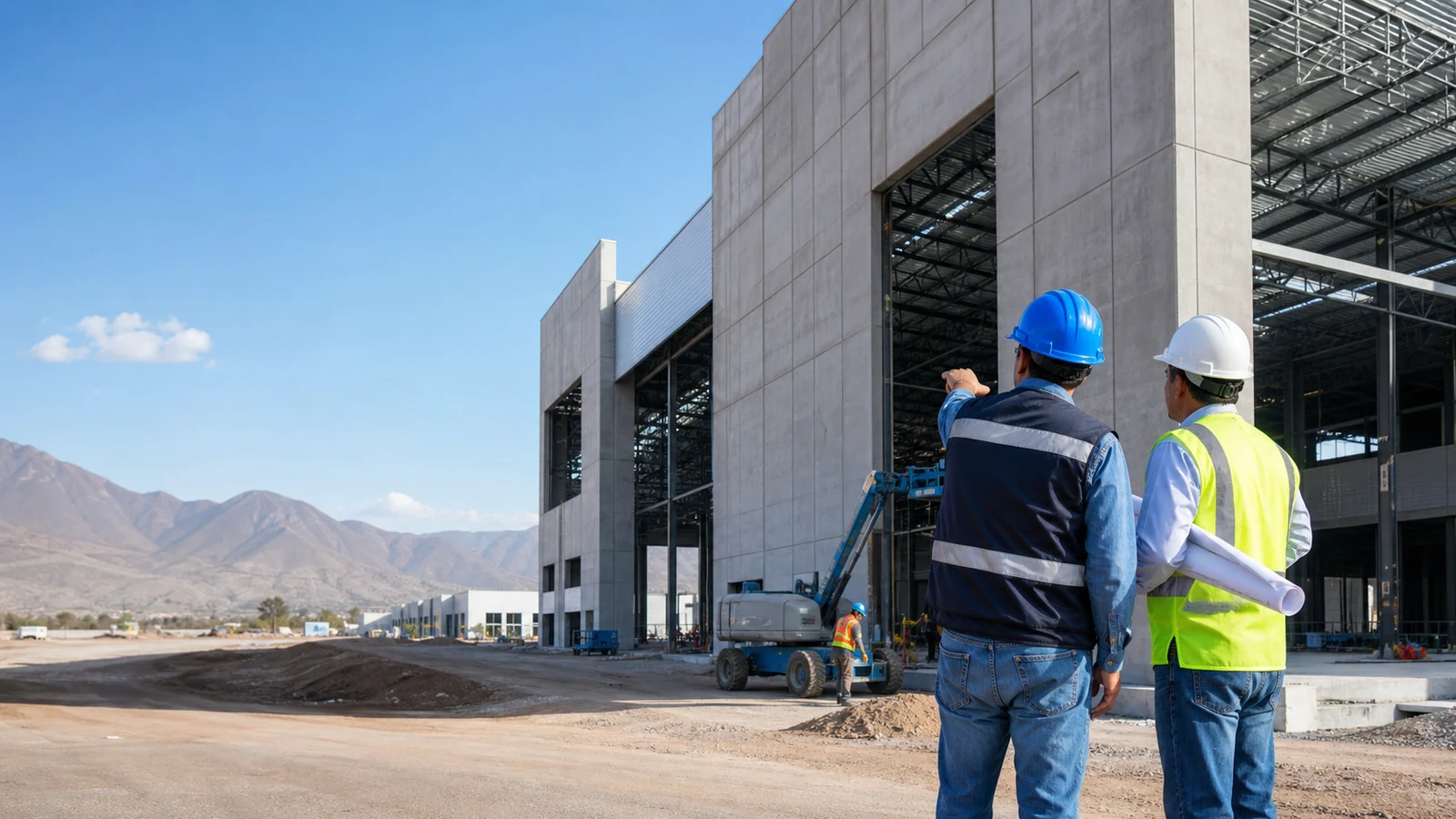
Before comparing products, identify the sunniest façades, roof area, window sizes and opportunities for shade and ventilation. NOM-020-ENER provides a reference for limiting heat gains through the envelope; performance comes from the complete assembly rather than one isolated material.
Ask the proposal to explain where heat enters or leaves and which solution addresses each point. Effective insulation can lose its advantage when thermal bridges, unsealed gaps or glass remain exposed during the most critical hours.
Prioritize interventions by impact and permanence
Compare roofs, walls, windows and exterior shade by installed cost, durability and ease of later correction. Concealed or hard-to-replace elements deserve an early decision; surface finishes are easier to adjust. Request technical data and installation requirements, not only commercial names.
Use orientation and cross ventilation to reduce loads before sizing equipment. Interior blinds control glare, while exterior shade often stops radiation before it enters. Each strategy should be evaluated for safety, maintenance and the room's actual use.
Verify installation and observe results
During construction, document insulation continuity, seals, junctions and protection before concealment. Confirm that materials and thicknesses match the approved specification. Strong product data loses value when installation leaves gaps or moisture damages the assembly.
After occupancy, record perceived temperature, ventilation times and energy use to adjust habits and shading. Do not attribute all comfort to one brand. Useful evaluation connects design, installation, operation and maintenance across different seasons.
Start with the roof, west exposure and air leakage
Request an envelope review before buying isolated materials. Identify roof area, west-facing walls, unshaded windows and leaking joints. Compare solutions by installed performance, continuity, thickness, compatibility and moisture risk. A product with a strong catalog value performs poorly when bridges or gaps remain.
Define how installation will be checked before concealment. Photograph continuity, junctions and seals. Coordinate insulation with waterproofing, building systems and ventilation. Measure temperature or consumption before and after when possible. The goal is to correct the main heat path rather than spread the budget across products without a diagnosis.