
Access does not always mean comfort
Proximity to roads can increase visibility, connectivity and future value. But if the home is too exposed to noise or traffic, daily experience can suffer.
The ideal point depends on use: living, renting, commerce or long-term investment.
What to balance
- Real travel time to important routes.
- Noise, dust, vehicle speed and pedestrian safety.
- Possible commercial growth around the area.
- Access restrictions, turns and parking.
Layered decision
Evaluate the main road, immediate street and walkable surroundings. Appreciation is built by connectivity, but sustained by livability.
Measure connectivity with real trips
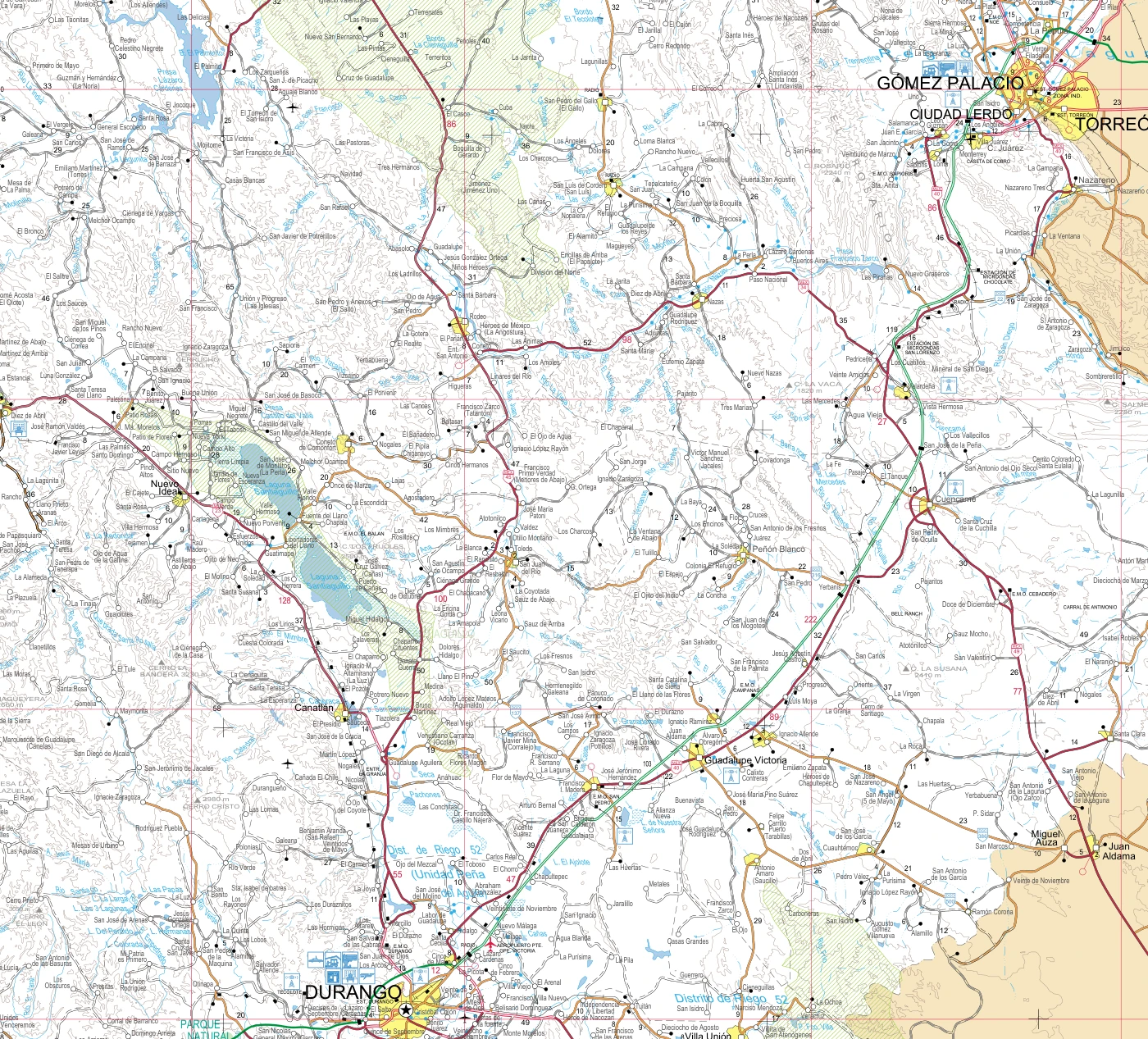
Distance to an avenue does not explain connectivity by itself. Drive the entrances, turns, crossings and routes to work, schools or services at different times. A nearby property can still lose time to required detours, unsafe access or congestion during peak minutes.
Record door-to-destination times and separate car, transit, bicycle and walking trips when relevant. This daily-use evidence is more useful than a straight line on a map and lets you compare two areas with consistent criteria.
Record the road's external effects
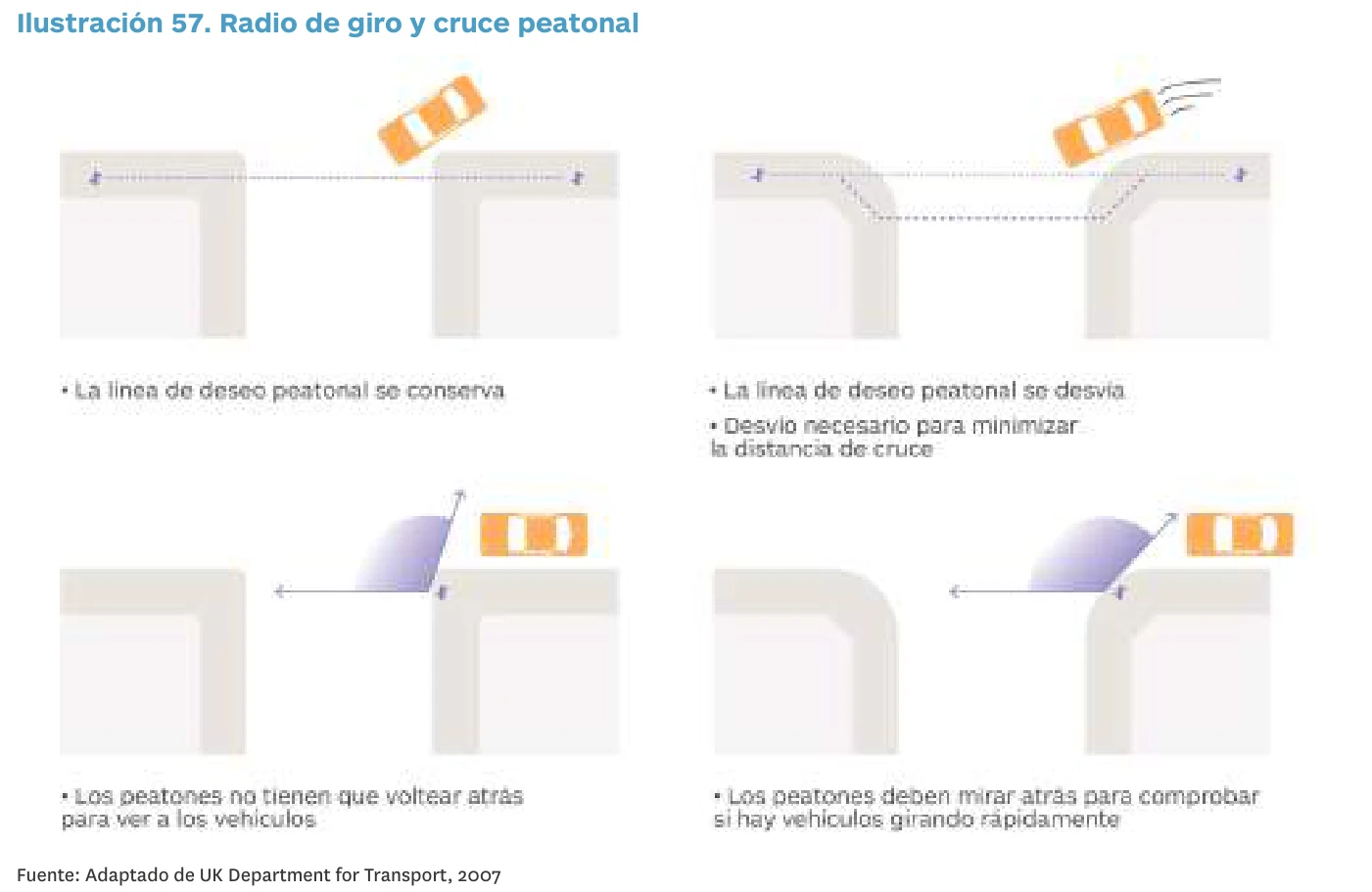
Observe noise with windows open, dust, nighttime lighting, vehicle speed and ease of crossing. Check whether the immediate street carries through traffic or operates locally. Living directly on an avenue can feel very different from being one or two streets away with controlled access.
For commercial use, visibility and flow may be advantages; for housing, pedestrian safety, rest and privacy usually matter more. Do not turn that difference into an automatic value promise. Document which users benefit from each location and which inconveniences they would have to accept.
Evaluate possible change without inventing appreciation
Consult urban plans, confirmed public projects and existing uses, but separate official plans from sales rumors. A new access point may improve connections while increasing noise or commercial pressure. Appreciation should never be presented as guaranteed, because it depends on the market, the property and the holding period.
Finish with three columns: proven current benefit, everyday cost and documented future change. Add the property's legal status and utilities. This treats the road as one layer of value instead of a replacement for a complete property review.
Measure access and disturbance during the same review
Time the trip improved by the road, then remain at the property during peak traffic. Listen for vehicles, braking and heavy transport with windows open and closed. Observe dust, nighttime lighting, crossings and entrance maneuvers. The access benefit may change along one street according to distance, orientation and barriers.
Compare sales and rents for genuinely similar properties at different distances from the road. Separate asking prices from closed transactions when data is available. Check future projects and affected areas through official sources. Appreciation is not an individual guarantee. A decision improves when time saved, mitigation cost and daily conditions can be measured.