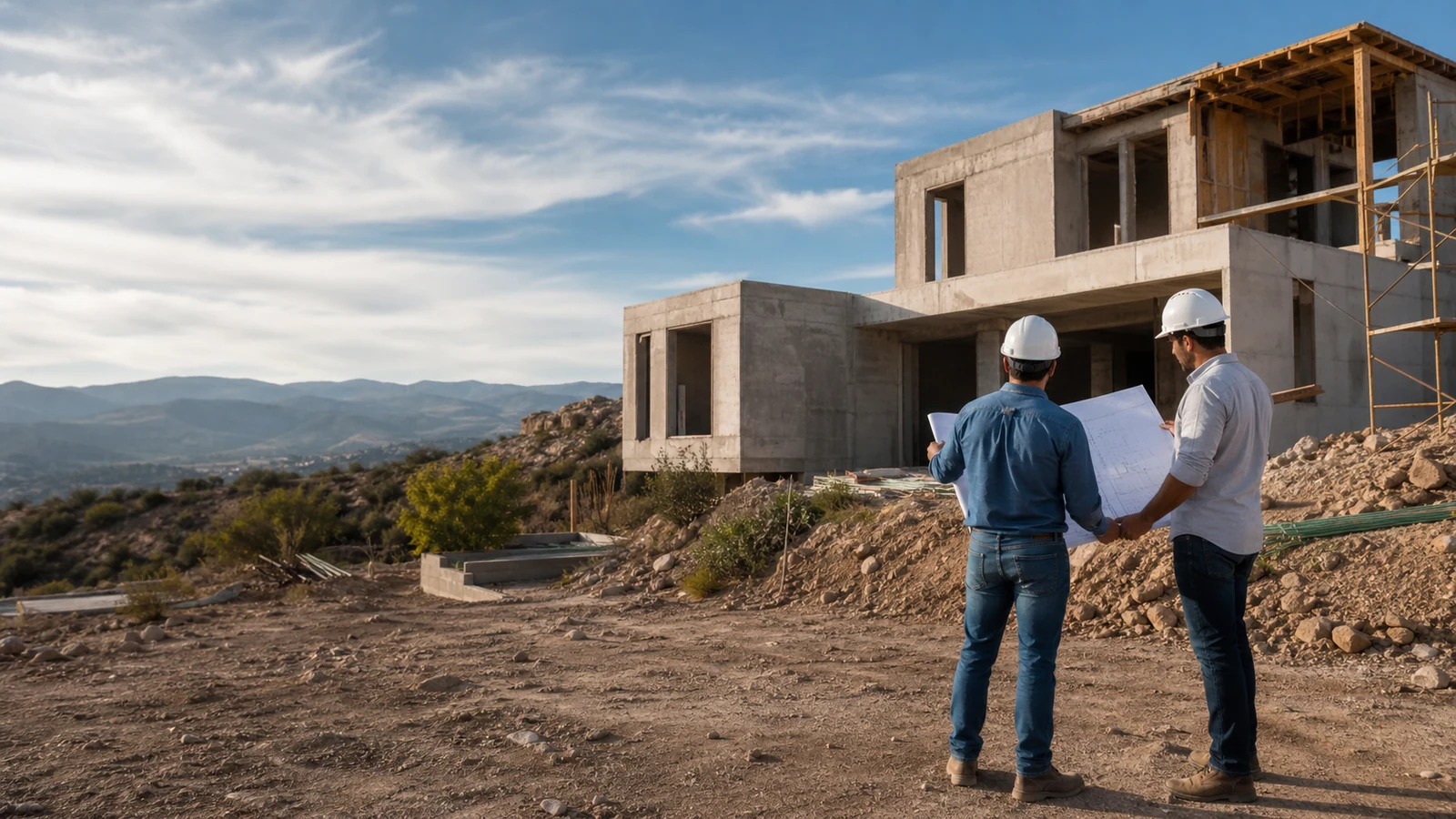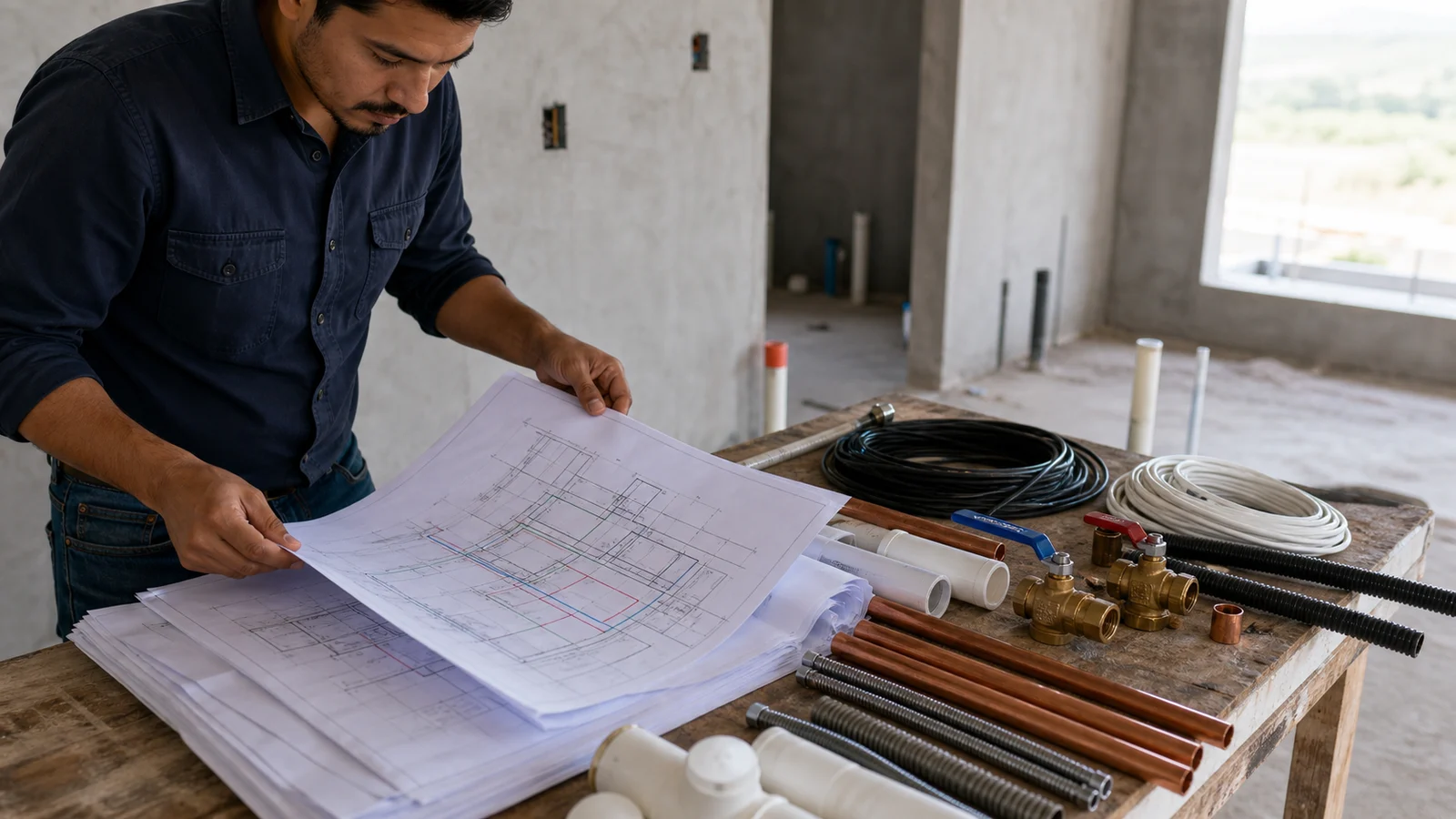
A price per outlet rarely tells the whole story
A figure per electrical point or plumbing fixture may support an early estimate, but it does not define routes, pipe sizes, capacities, materials or tests. Pricing becomes reliable when the architectural design, equipment and household habits are translated into coordinated drawings and specifications.
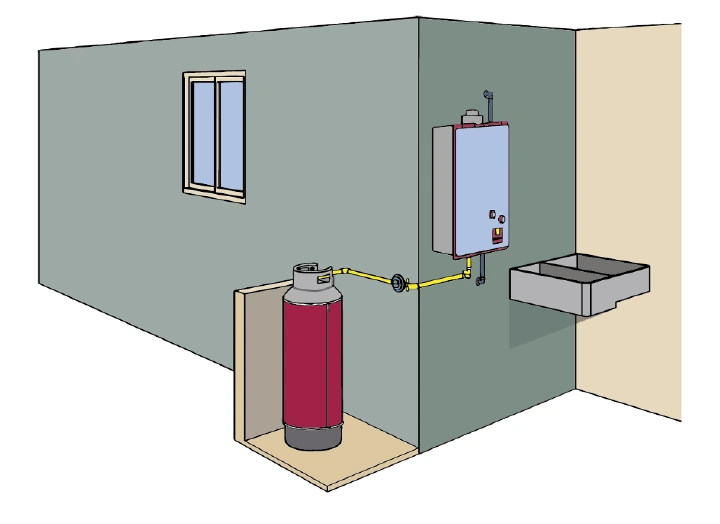
Before seeking bids, decide which equipment will be served, where it will sit and what demand it creates. The kitchen, water heater, pump, air conditioning, gate, laundry and solar system affect panels, pipes, ventilation and service clearances. Deferring them until construction creates improvised pathways and change orders.
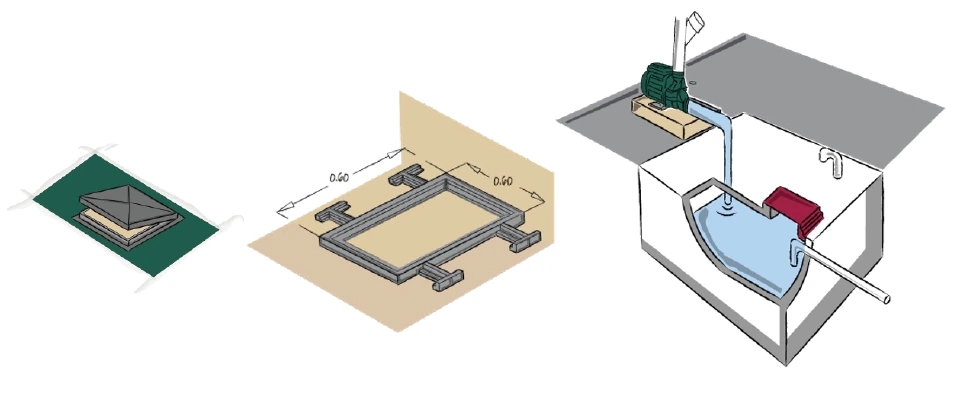
Scope every quotation should identify
Request quantities and specifications by system. This makes equivalent comparisons possible and reveals exclusions instead of reducing everything to one total.
- Pipes, conductors, conduits, valves, protection devices and fittings.
- Excavation, chases, penetrations, patching, supports and seals.
- Equipment, fixtures, lights and accessories supplied by each party.
- Network connections, meters, permits and third-party utility work.
- Tests, as-built drawings, warranties and equipment manuals.
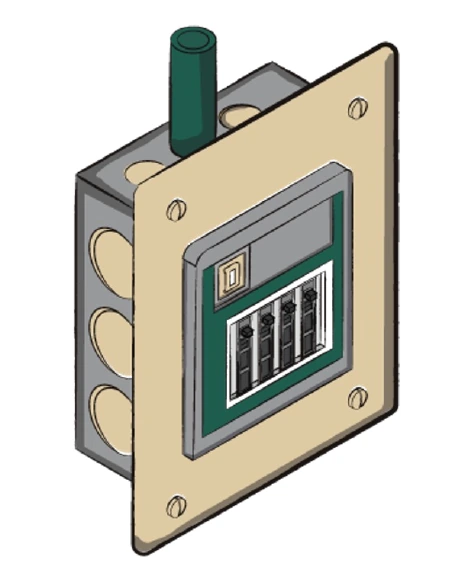
Coordinate before walls and slabs are closed
Overlay routes to find conflicts and check outlet heights against actual furniture. An outlet behind a drawer or an inaccessible valve can match a list and still fail in use. Mark approved structural penetrations and never allow improvised drilling through load-bearing elements.
Reserve sensible growth capacity without oversizing every component. Labeled panels, accessible access points and photographed routes simplify maintenance. Define acceptable products and the process for approving substitutions, especially when performance or warranty changes.
Signs of an incomplete estimate
- It uses lump sums without quantities, sizes, gauges or capacities.
- It does not say who supplies equipment, accessories or final connections.
- It excludes testing or treats visible operation as sufficient proof.
- It relies on outdated plans or ignores the kitchen and furniture layouts.
Compare performance and handover, not only materials
The best estimate explains what will be installed, how it will be tested and which records you will receive. Tie payments to verifiable progress by system and preserve test results before pipes or wiring are concealed. That traceability matters more than a long list of brands without coordination.
Count outlets, routes, equipment and tests
Start from coordinated drawings and create a table for each system. Record every outlet, capacity, material, diameter or gauge, length, fitting, panel, valve and piece of equipment. Include chases, supports, access points, connections and patching. A price per square meter does not show whether actual quantity and specification are included.
Separate supply, labor, approvals, testing and commissioning. Define which work becomes concealed and must be photographed before walls close. Compare proposals with the same table and mark substitutions. Hold final payment until results, diagrams, warranties and corrections arrive. Installation ends when it operates and is documented.