The area is lived through daily services
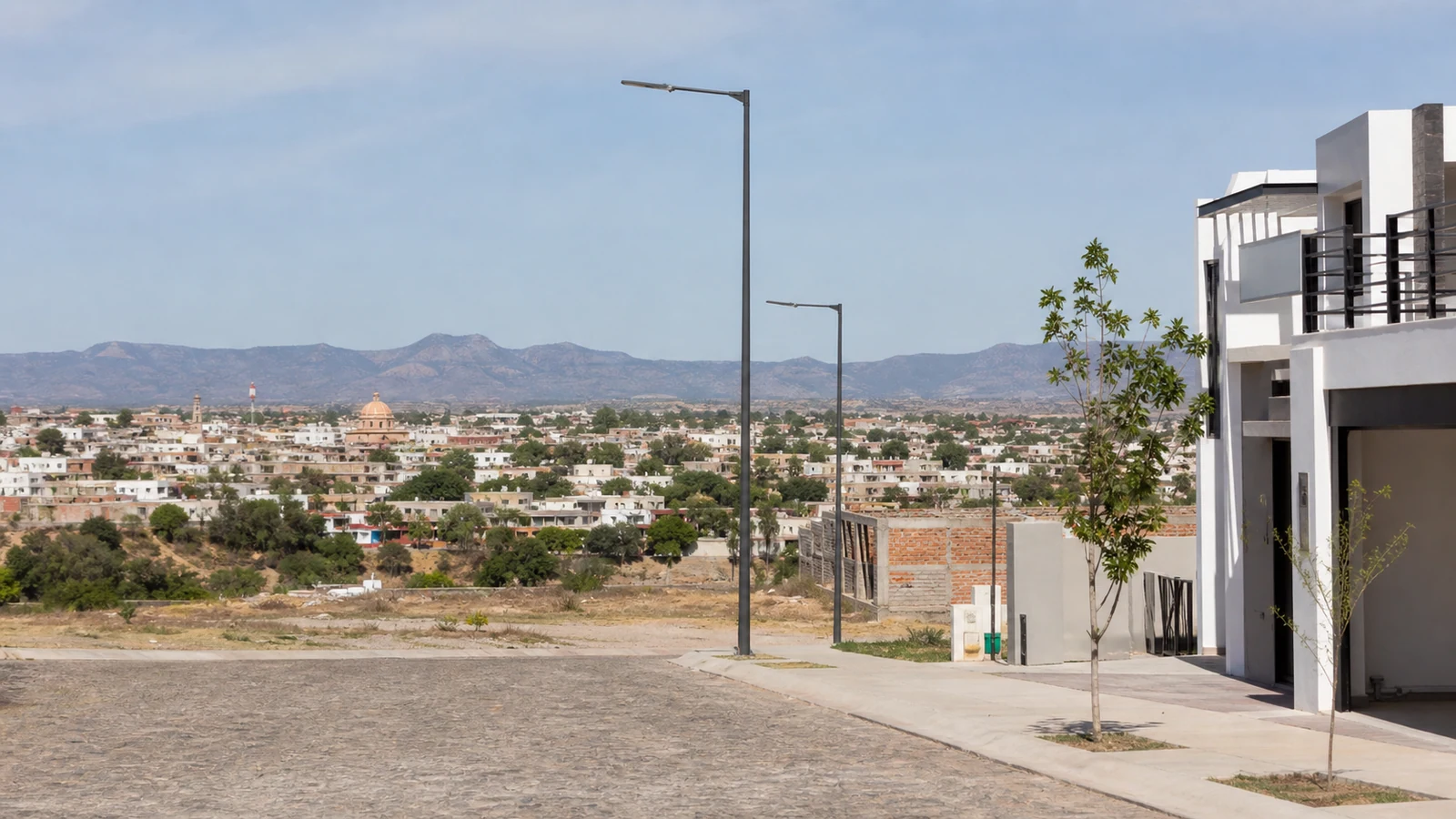
Location does not mean only proximity. It also matters how everyday services work: streets, lighting, collection, water and drainage.
Comparing areas without reviewing services can lead to surprises after purchase.
What to ask
- Collection frequency and visible maintenance.
- Condition of streets, lighting and access.
- Water availability and pressure by area.
- Drainage, runoff and response to reports.
Visit with resident eyes
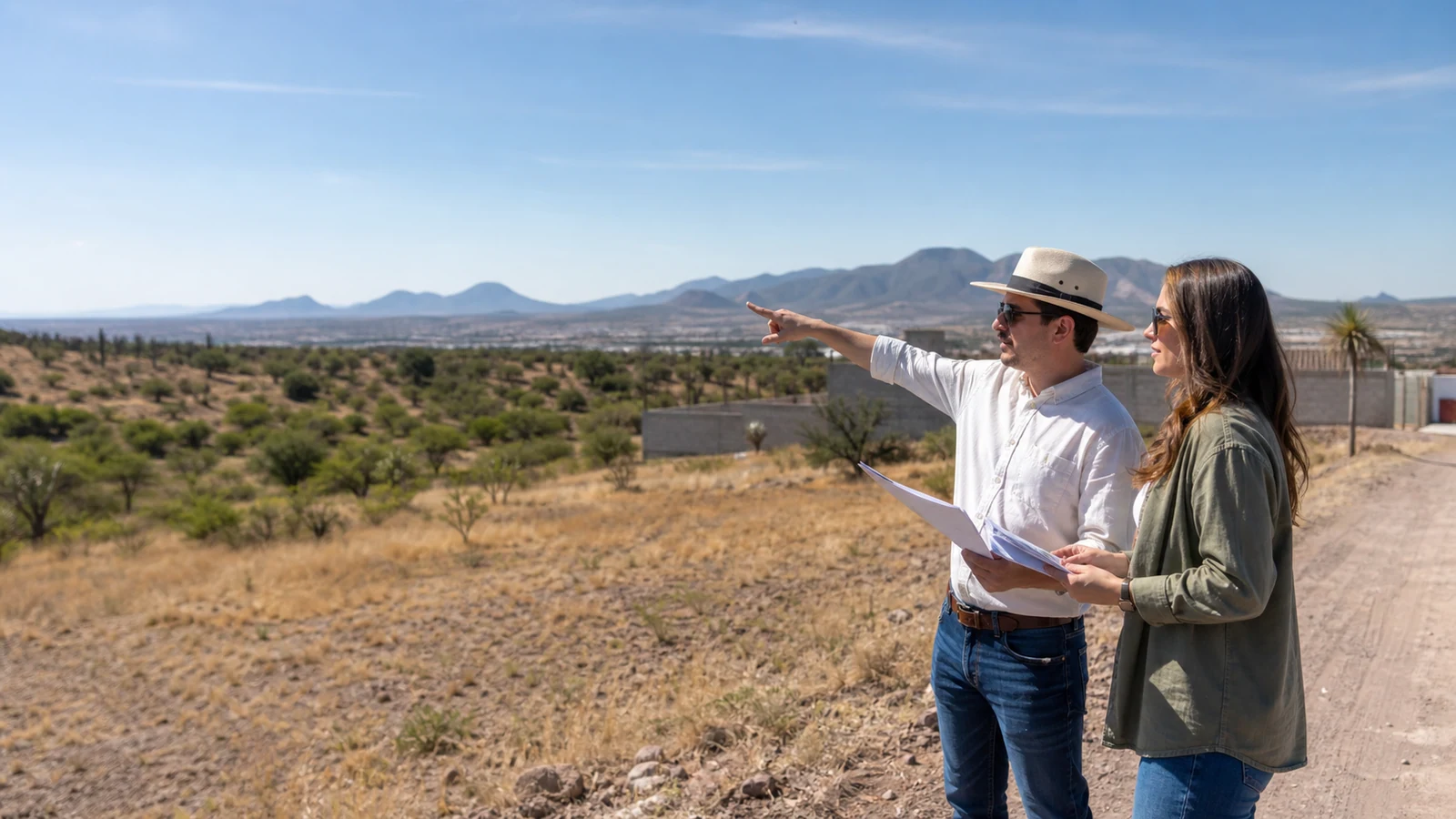
Walk the area, talk to neighbors if possible and observe maintenance signs. That information complements any sales sheet.
Use the same evidence for every area
Create a sheet for each neighborhood or development with source and date. Record water, drainage, lighting, collection, paving, sidewalks, transport and reported response times. Separate a service available in the area from an active connection at the property; they are different questions and may have different responsible parties.
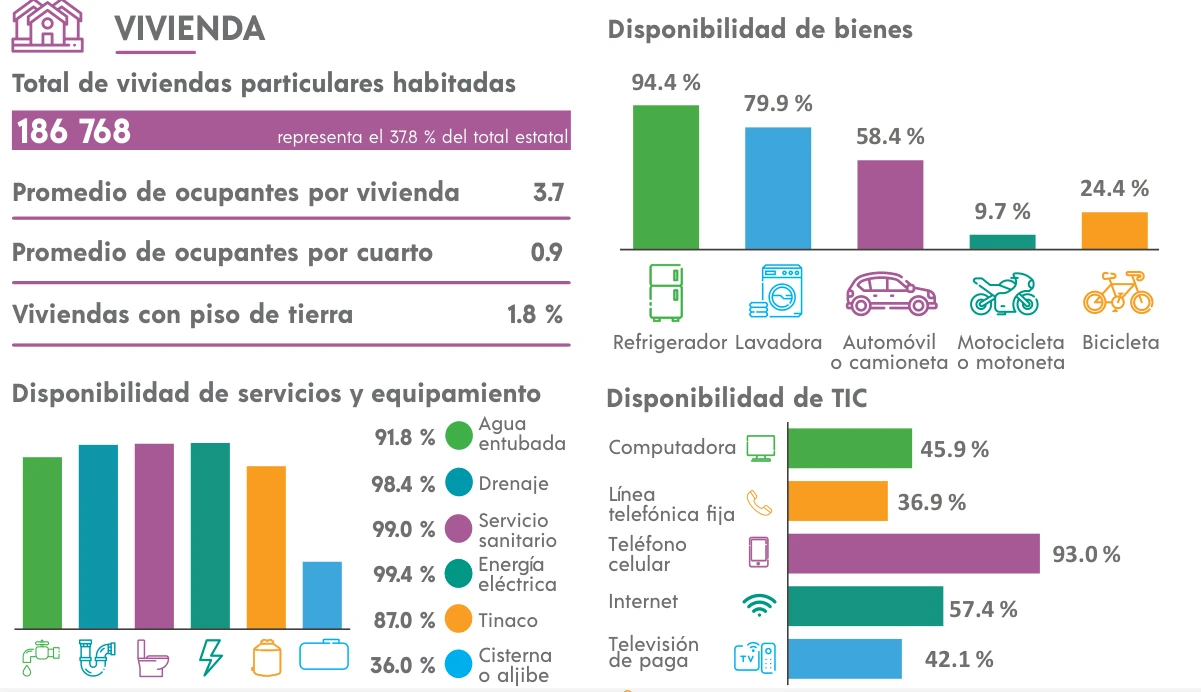
Aggregated population and housing data provides context but does not describe one street. Complete it with available bills, property documents, physical observation and direct questions to each service operator.
Visit after conditions that reveal faults
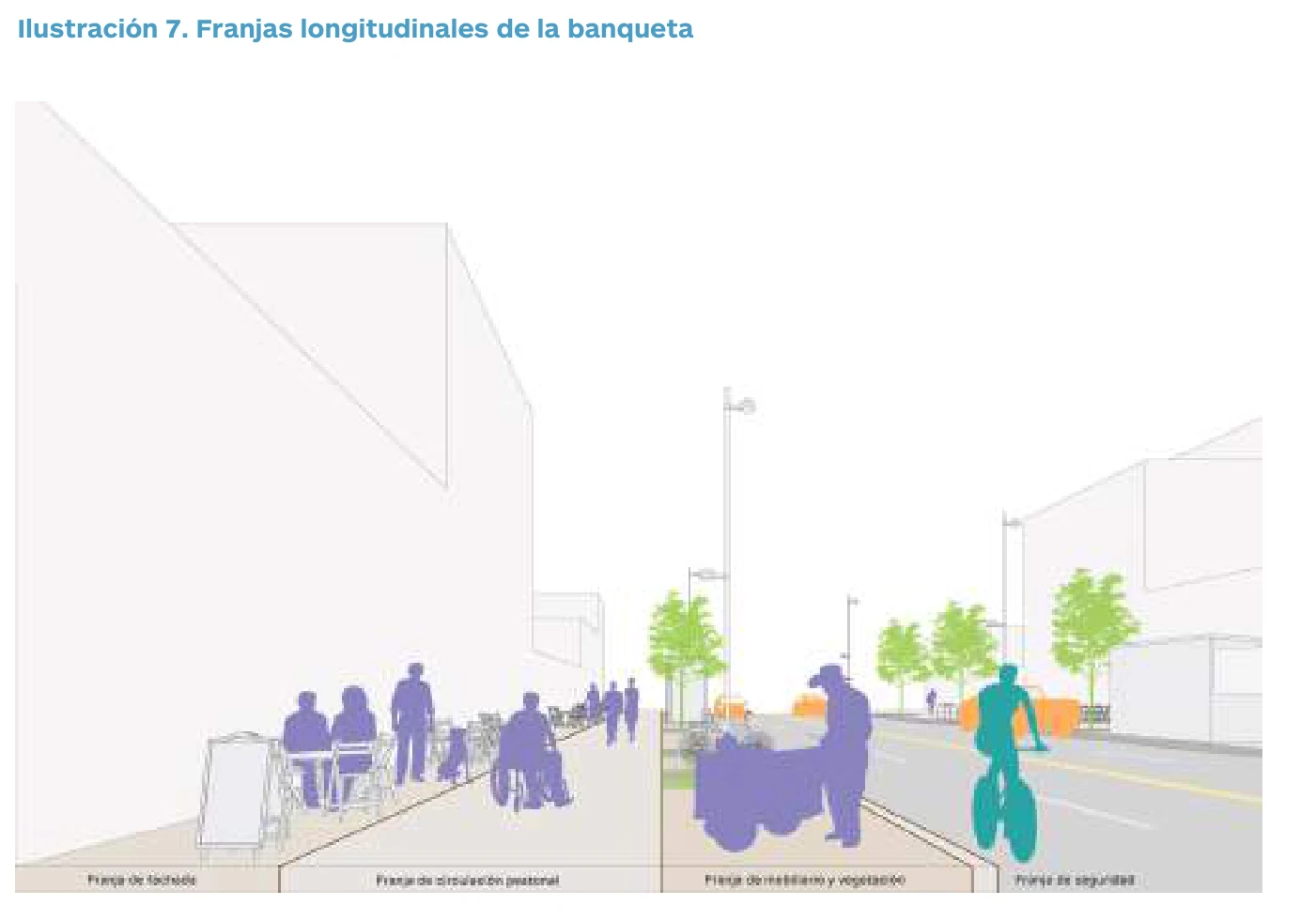
Walk at night to review lighting and mobility, and after rain to observe ponding or runoff paths when safe. Look at covers, boxes, poles, potholes, waste and repeated repairs. Speaking with several residents may reveal patterns, but validate material claims with additional evidence.
- Ask about pressure or continuity changes, not only network presence.
- See whether walking routes connect to transport and shops.
- Separate municipal maintenance from development obligations.
- Record ongoing works and who is responsible for progress updates.
Translate service into cost and routine
For each difference, note the practical effect: water storage, extra travel, private maintenance, equipment, fees or reporting time. The comparison then moves beyond yes-or-no answers and becomes an estimate of daily operation.
Do not assign future value automatically to an announced project. Request its scope, phase and owner, and use current conditions as the decision baseline. The best area is the one that meets priority trips and services at a level of cost and certainty you can sustain.
Compare coverage, frequency and local evidence
Create one sheet per address covering water, drainage, waste collection, lighting, pavement, transport, security and public-space maintenance. For every service record the provider, frequency, schedule, observed interruptions and reporting channel. Coverage shown on a map does not prove pressure, continuity or quality on a particular street.
Visit on a weekday, at night and after rain. Ask residents about recent facts and confirm details with the relevant authority or provider. Note which problems an owner can solve and which depend on shared infrastructure. Compare each home with the money and time required to live in that area.