The surroundings also buy value
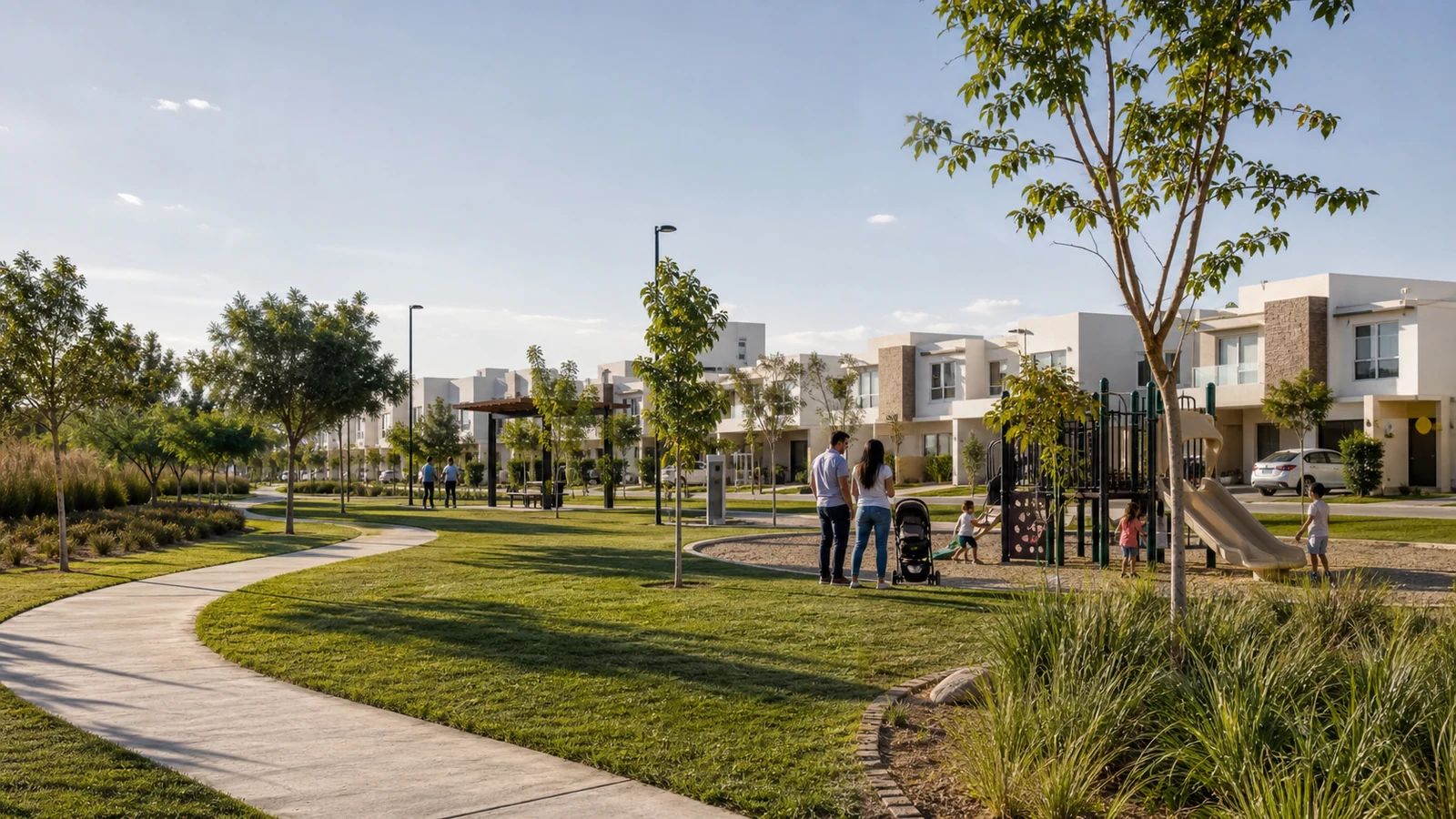
A home or lot does not live in isolation. Nearby public spaces influence community life, safety, mobility and value perception.
That is why buyers increasingly observe what is around, not only inside the development.
Positive indicators
- Well-kept parks visible from inhabited streets.
- Walkways, lighting and resting areas.
- Everyday services at a reasonable distance.
- Consistent maintenance and real use by neighbors.
Investment view
An active public space can reinforce future demand. But it should be evaluated through maintenance and safety, not only proximity.
Distinguish proximity from usable access
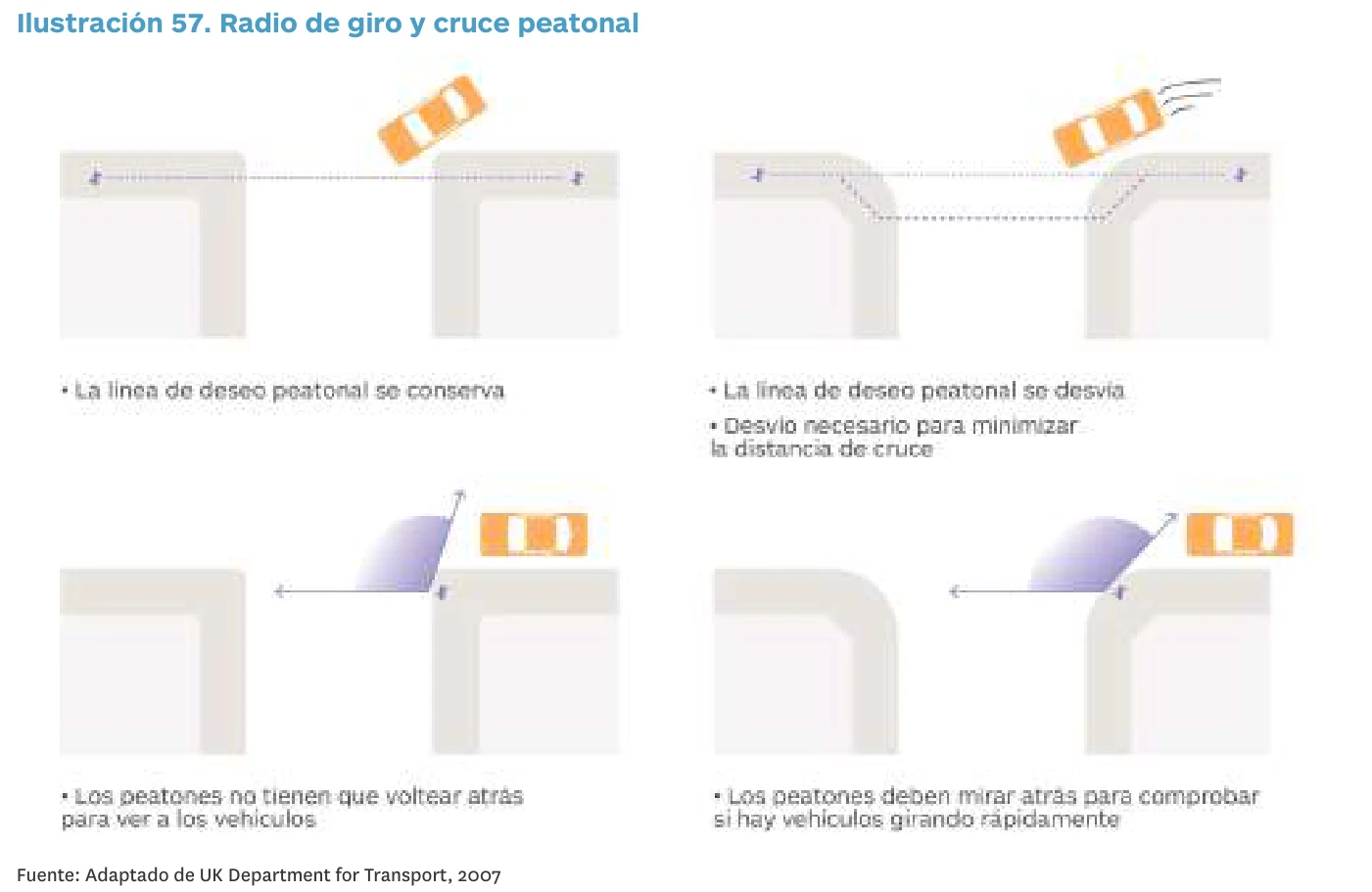
A park that looks close on a map may not improve daily life. Walk from the property and review crossings, sidewalks, lighting, slopes and barriers. Check whether the entrance is public and visible, whether operating hours suit residential use and whether activities serve different age groups.
Distance should be measured in time and comfort, not only meters. A space ten minutes away along a safe route may contribute more than an adjacent one reached only by crossing a fast road.
Look for evidence of use and maintenance
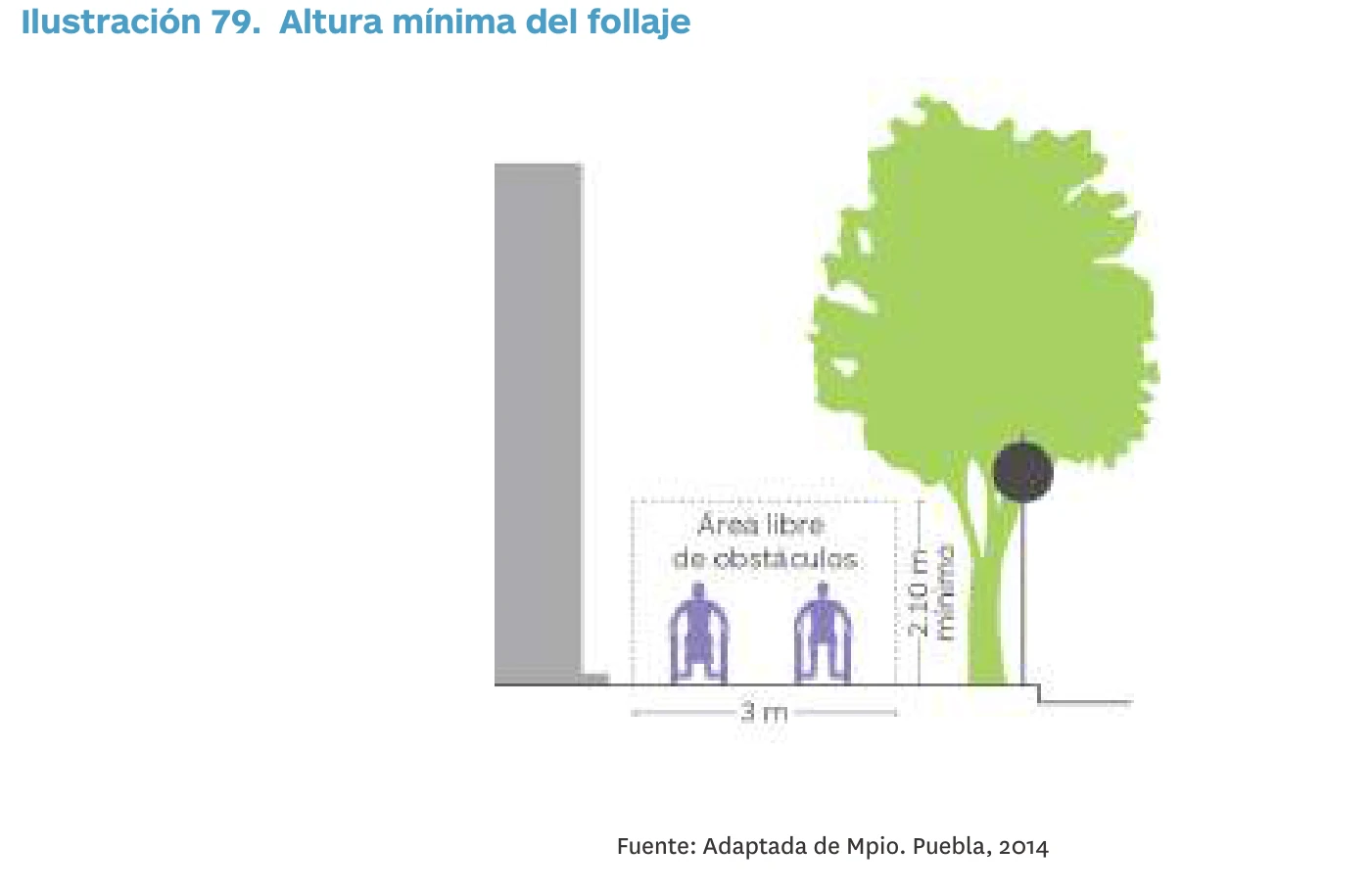
Visit at more than one time. Regular presence of families, walkers and maintenance staff helps explain actual operation. Review cleanliness, shade, furniture, drainage, lighting and wear; a new facility without a conservation plan does not guarantee lasting value.
- Ask which authority or administration maintains each element.
- See whether nearby facades provide natural observation.
- Review links to transportation and everyday services.
- Compare improvement claims with verifiable works and budgets.
Do not turn appreciation into an automatic promise
Public space can support appeal and demand, but future price also depends on supply, access, safety, services and upkeep. When comparing properties, record current conditions and separate observable facts from unsupported sales projections.
For a long-term purchase, value present usefulness first: the ability to walk, rest, meet others or reach facilities. That utility may justify a preference today; any appreciation expectation should remain a scenario rather than a guaranteed return.
Evaluate public space as a user and a neighbor
Visit in the morning, afternoon and evening. Count entrances, shade, seating, play areas, cleanliness, lighting and people who actually use the place. Review the route and crossings from the home. A nearby park may add activity and views, but it may also bring noise, parking pressure or poor maintenance according to its design and operation.
Ask who owns and maintains the space and which budget exists. Check current projects and rules. Compare similar properties with and without useful access, avoiding assigning every price difference to one factor. Proximity adds value when the place works and the home preserves safety, access and rest.