An amenity must work after the sale
An amenity that looks attractive in a render can lose value if it is hard to maintain, far away or unrelated to residents' routine. What matters is improving daily life.
Ask who maintains it, how much it costs and which use rules apply.
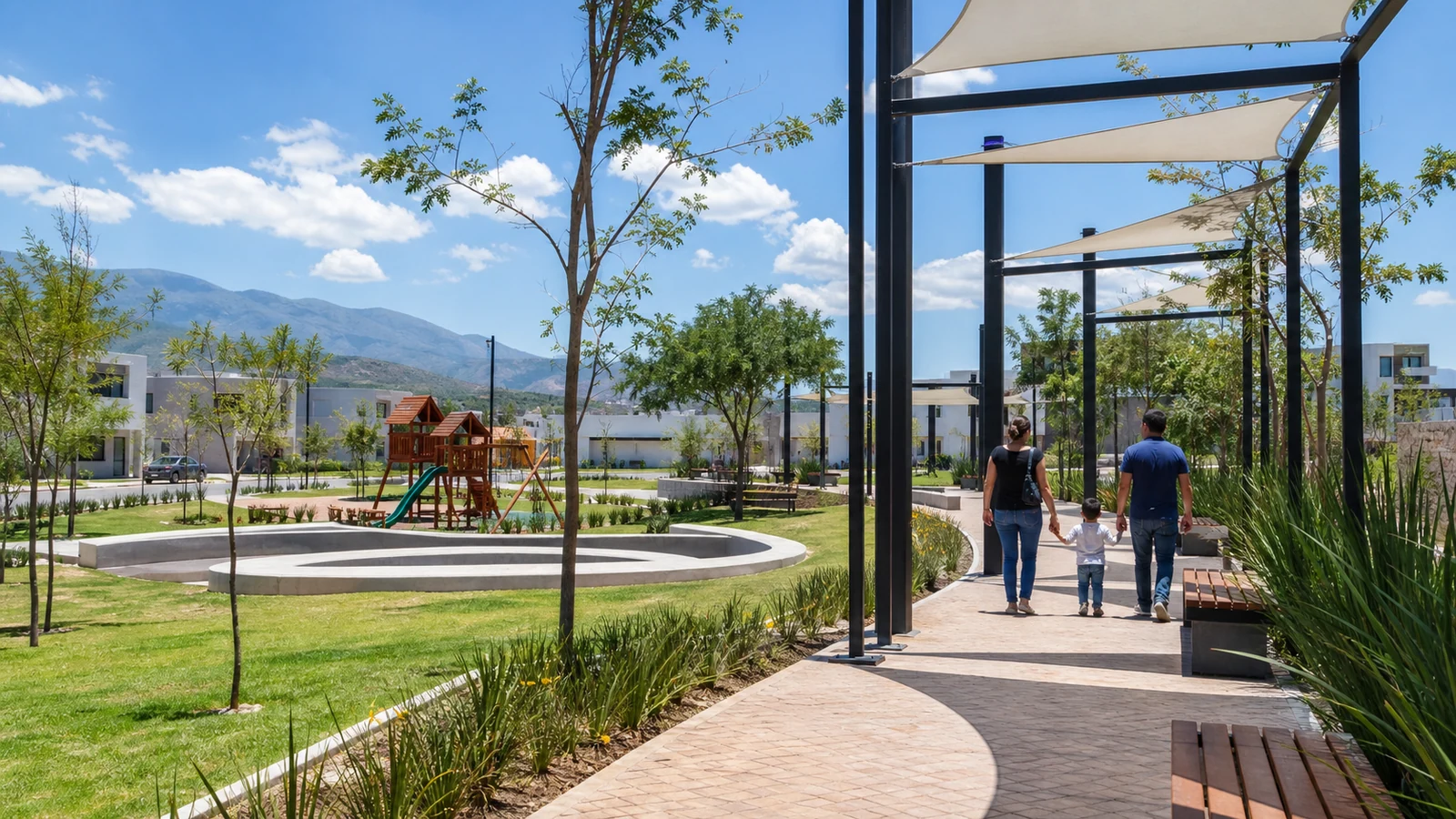
Amenities with practical value
- Shaded and safe walking paths.
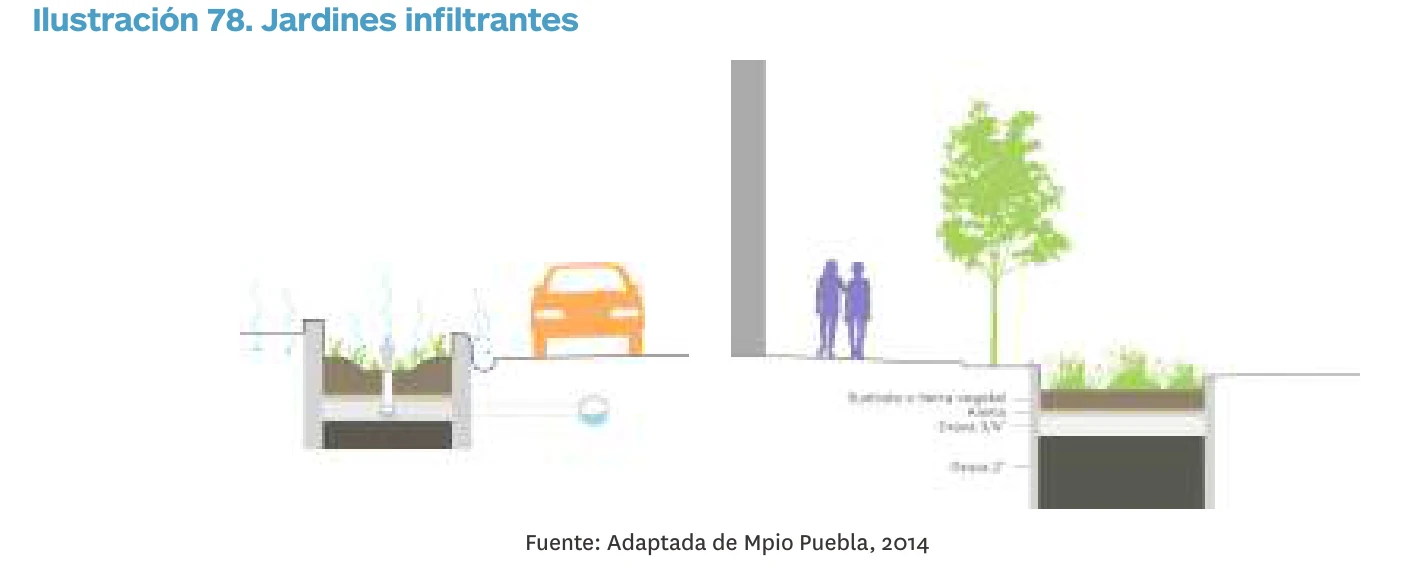
- Low-water green areas with realistic maintenance.
- Flexible spaces for children, pets and rest.
- Lighting, benches, access control and cleanliness.
Hidden cost
Every amenity has an operating cost. A reasonable and transparent fee is usually worth more than many promises that are hard to sustain.
Observe real use, not only area or renderings
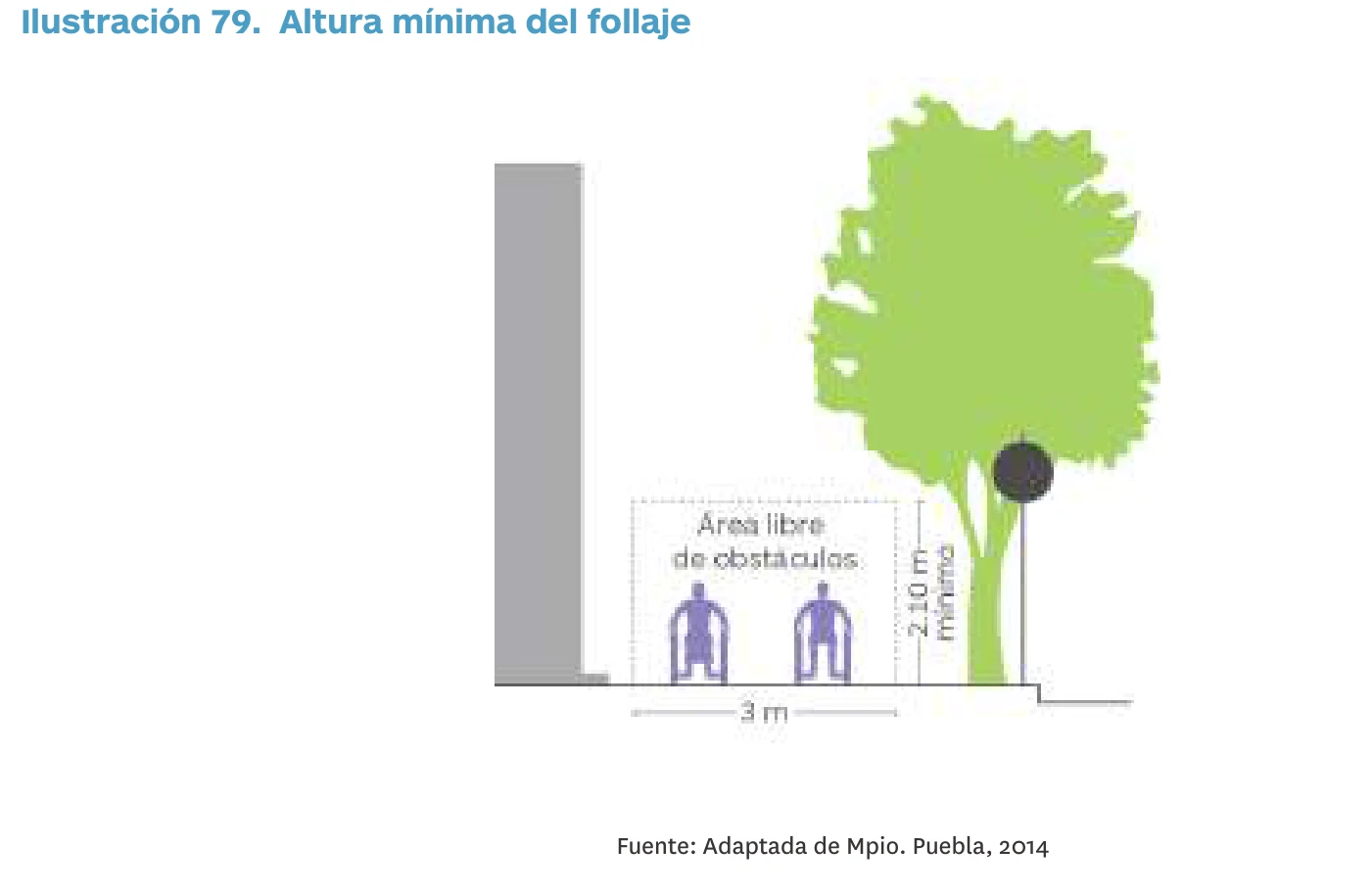
Visit comparable amenities at the time you would probably use them. Review shade, seating, lighting, visibility from homes and continuity of paths. A large area may remain empty when it is exposed to sun, isolated or separated by streets that are difficult to cross.
Ask which ages and activities the design supports. Flexible spaces often serve more routines than highly specialized facilities. Children, older adults and people with limited mobility should also be able to reach, use and leave the amenity safely.
Turn maintenance into numbers and responsibilities
Request an inventory of common areas and the expected cleaning, irrigation, pruning, repair and lighting schedule. Identify who manages them, how budgets are approved and what the ordinary fee covers. In a phased development, ask when each amenity is delivered and who maintains it during the transition.
Compare materials and landscaping by durability, water demand and ease of replacement. The most striking finish is not always the most sustainable. A useful amenity remains safe and functional under an understandable fee instead of relying on frequent extraordinary repairs.
Review rules that preserve shared access
Read the hours, reservation process, capacity, visitor policy, pet rules and permitted activities. Rules should prevent conflict without making the space impractical. Also verify how damage, noise and temporary closures are handled and whether residents receive clear notices.
Finally, classify amenities by weekly use, occasional use and visual value. This prevents paying more for a long list that does not match your routine. The central test is shared habitability: safe access, shade, coexistence and maintenance that can be verified.
Count real uses, costs and access minutes
Ask how many homes will share each amenity, along with hours, rules and annual budget. Walk from the home to the space with a stroller, bicycle or limited mobility in mind. A distant, closed or crowded pool and clubhouse may add less value than continuous sidewalks, shade and a park the household can use every day.
Review who accepts the amenity, corrects defects and pays for replacement. Request accounts or a budget when it already operates. Model the monthly fee with reasonable increases. The useful question is which amenities you will use, what they cost and which organization will keep them open and safe.