
Arriving well also sells certainty
A development with clear access and good signage makes visits, deliveries, emergencies and daily life easier. Orientation reduces confusion and improves perceived safety.
These details are usually noticed when they are missing.
What to review
- Visible, safe and easy-to-explain entrance.
- Internal streets with names, numbering or references.
- Space for turns, visitors and services.
- Lighting and visibility at decision points.
Everyday use
Imagine receiving visitors, packages or services. If everyone can find the place without long calls, the development works better.
Assess arrival as a chain of decisions
Begin before the entrance. Check how early the access becomes recognizable, whether a first-time visitor can safely enter the correct lane and whether there is room to slow without abrupt braking. Inside the development, follow the route to the home without the advisor's help.
Wayfinding should also work in rain, darkness or with parked vehicles. Street names, numbers and landmarks need enough contrast, size and visibility from the location where each decision is made.
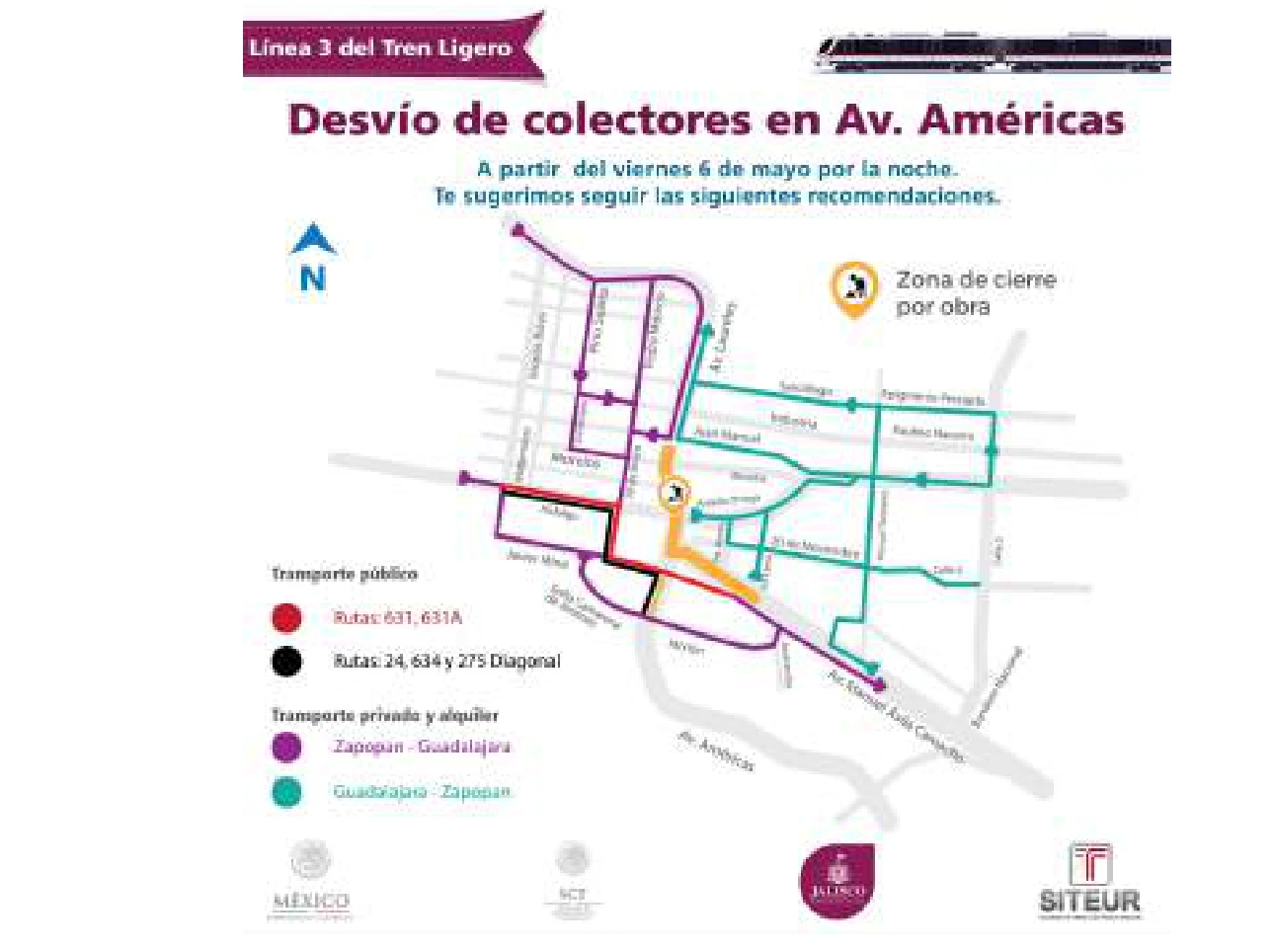
Test uses that do not appear during a sales visit
Imagine parcel delivery, waste collection, moving, school transport, maintenance and emergency response. Each service needs turning space, clearance, waiting areas or unambiguous directions. Ask how access will be controlled without blocking the public road or internal circulation.
- Confirm that numbering follows a sequence that is easy to explain.
- Locate turnarounds and alternatives if a street temporarily closes.
- Review pedestrian visibility at gates and entrance crossings.
- Confirm where visitors, suppliers and service vehicles wait.
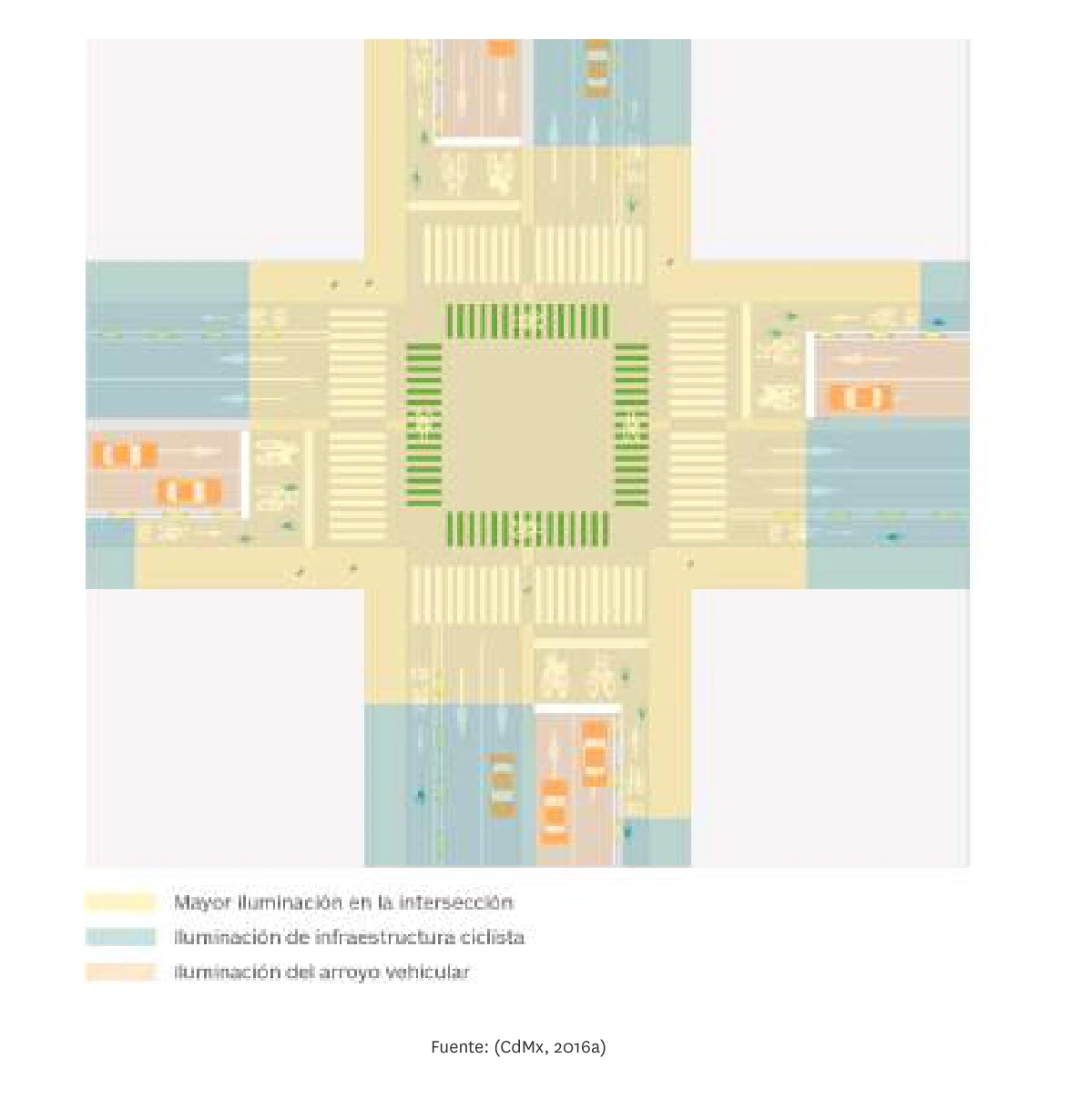
Request the phasing and maintenance plan
In a growing development, access may change as construction advances. Request the circulation plan for each phase, separation between residents and equipment, and the way closures or detours will be communicated. Temporary signs need to be as understandable as permanent ones.
Ask who replaces damaged signs, lights and markings and how faults are reported. Photograph decision points during the visit. A simple, consistent and maintainable system provides more safety than a striking entrance with no continuity inside.
Test the entrance without instructions from the adviser
Arrive from two routes using only the available address and signs. Observe whether an ambulance, delivery driver or visitor could identify the entrance, phase, block and lot. Review numbering, lighting, visibility and stopping space. A recognizable gatehouse does not replace internal signs or legible numbers during an emergency.
Ask who approves, installs and maintains signs, street names and access controls. Check pedestrian entrances and conditions for limited mobility. Save the official location used for services and contracts. If phases are still changing, request the numbering plan to avoid temporary addresses that later conflict with deeds or bills.