Walking is also part of living well
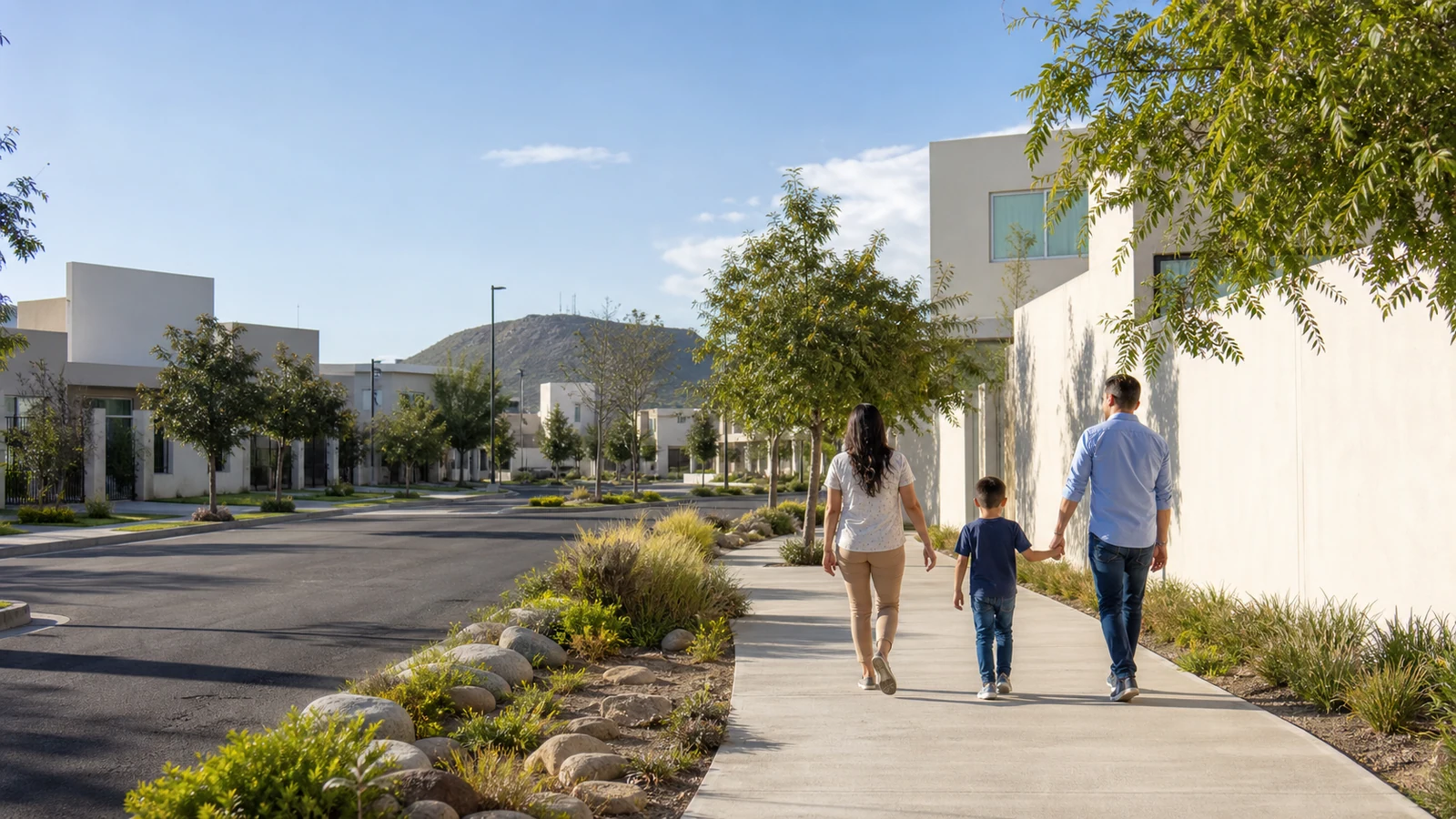
A residential development is not evaluated only from the car. Families need to walk to common areas, visit neighbors, move strollers or walk pets safely.
Pedestrian safety appears in everyday details.
What to observe
- Continuous sidewalks without unnecessary obstacles.
- Lighting at access points, corners and common areas.
- Streets with reasonable speeds and good visibility.
- Clear crossings toward parks or amenities.
Practical value
When walking feels safe, common areas are used more and community life improves. That value does not always appear in the sales sheet.
Walk the full route, not only the display sidewalk
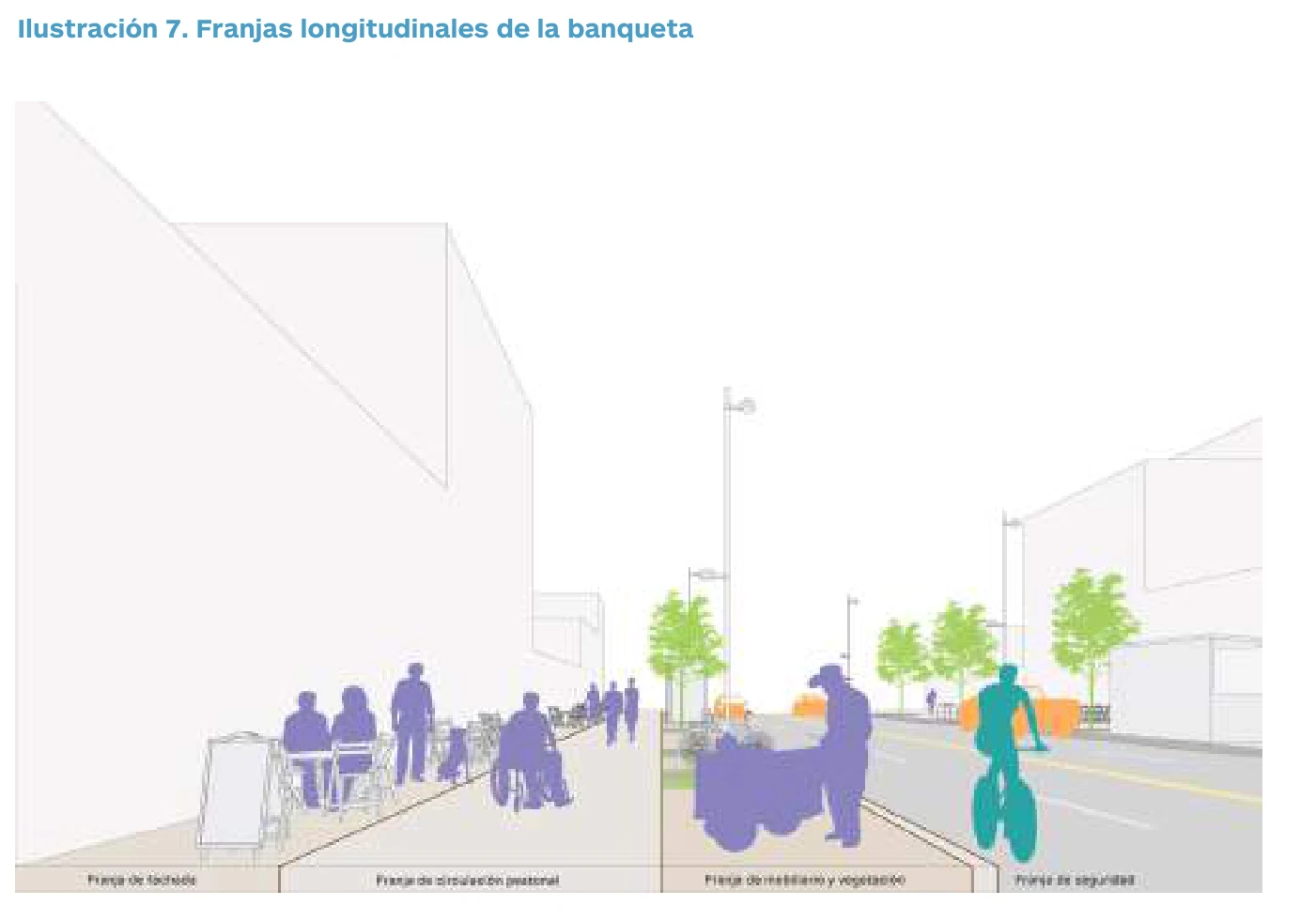
Walk between the entrance, the home, the park and nearby services. A sidewalk may look adequate beside the sales area yet disappear at corners, empty lots or driveways. Check continuity, usable width, slopes, obstacles, loose surfaces and places where a stroller user or a person with limited mobility would have to enter the vehicle lane.
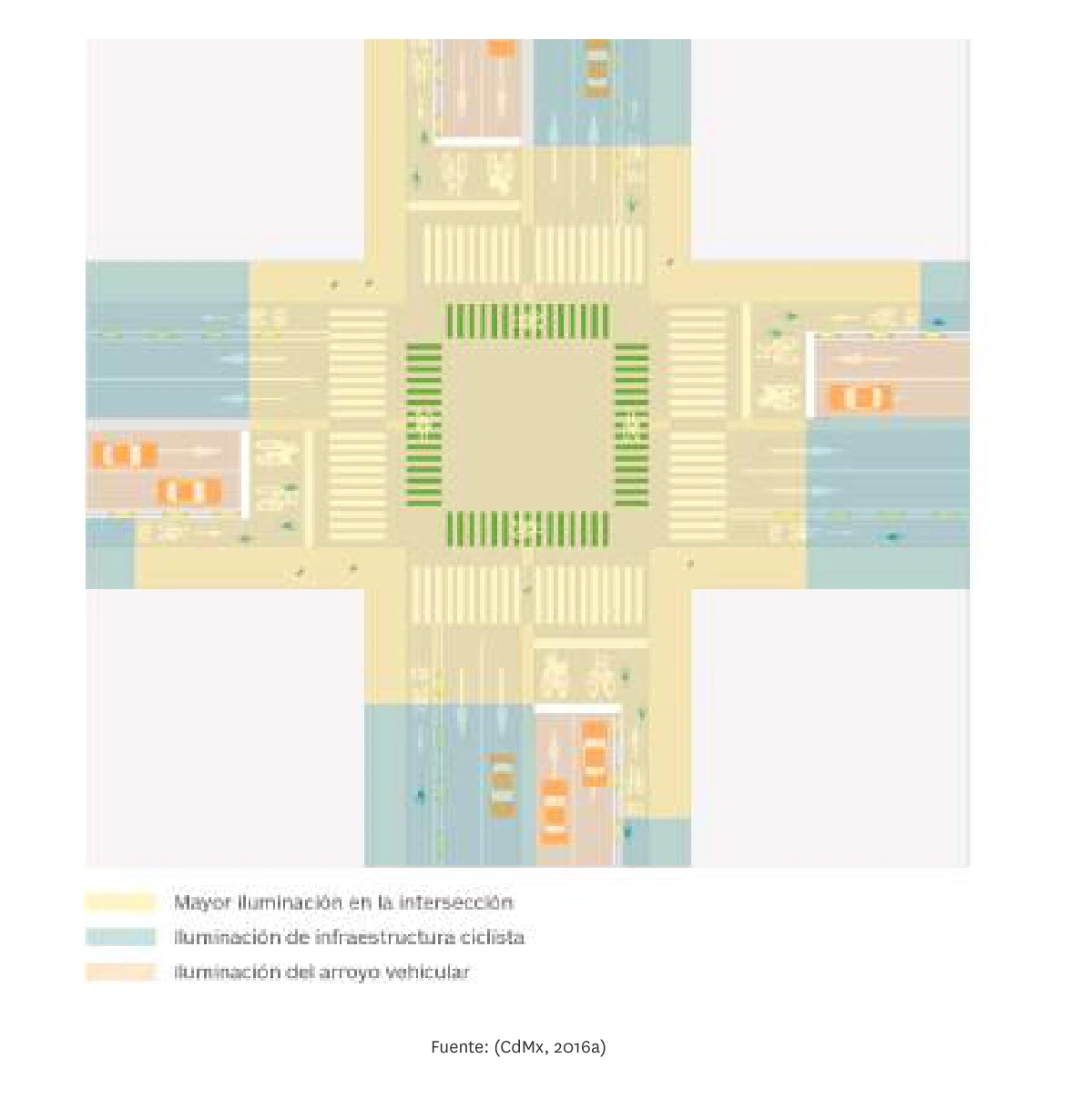
Visit in daylight and, if possible, near dusk. Lighting should reveal changes in level, crossings and other people without producing glare that hides activity around the route.
Conflicts between pedestrians and vehicles
The most sensitive points are usually where paths change: gates, parking areas, turnarounds, corners and service entrances. Check whether the design naturally slows vehicles and allows drivers and pedestrians to see one another.
- Look for short, visible crossings connected to the walking route.
- Notice wide turning radii that let vehicles enter at speed.
- Confirm that trees, signs or parked cars do not block sightlines.
- Ask how speeds will be managed after residents move in.
Verify operation and maintenance
Infrastructure works only while it remains clear and maintained. Ask who repairs lights, trims vegetation, corrects settlement and prevents vehicles from occupying sidewalks. If construction continues, request the planned pedestrian route for each phase and the measures separating residents from equipment and stored materials.
Photograph the routes and compare them with the plan. A short visit during school arrival, delivery activity or heavier traffic provides practical evidence that a rendering cannot show.
Walk the route at the user's height and speed
Travel from the home to the park, exit, transit and shops. Look for continuous sidewalks, ramps, short crossings, lighting and visibility between pedestrians and drivers. Consider a stroller, cane or child's pace. A painted crossing helps little when users must walk around parked cars or appear after a fast curve.
Observe driveways, slopes and points where the sidewalk disappears. Ask who controls speed and maintains lights or trees. Repeat at night and during arrival time. Map each conflict. Pedestrian safety depends on a continuous chain. One broken segment can make the whole route impractical.