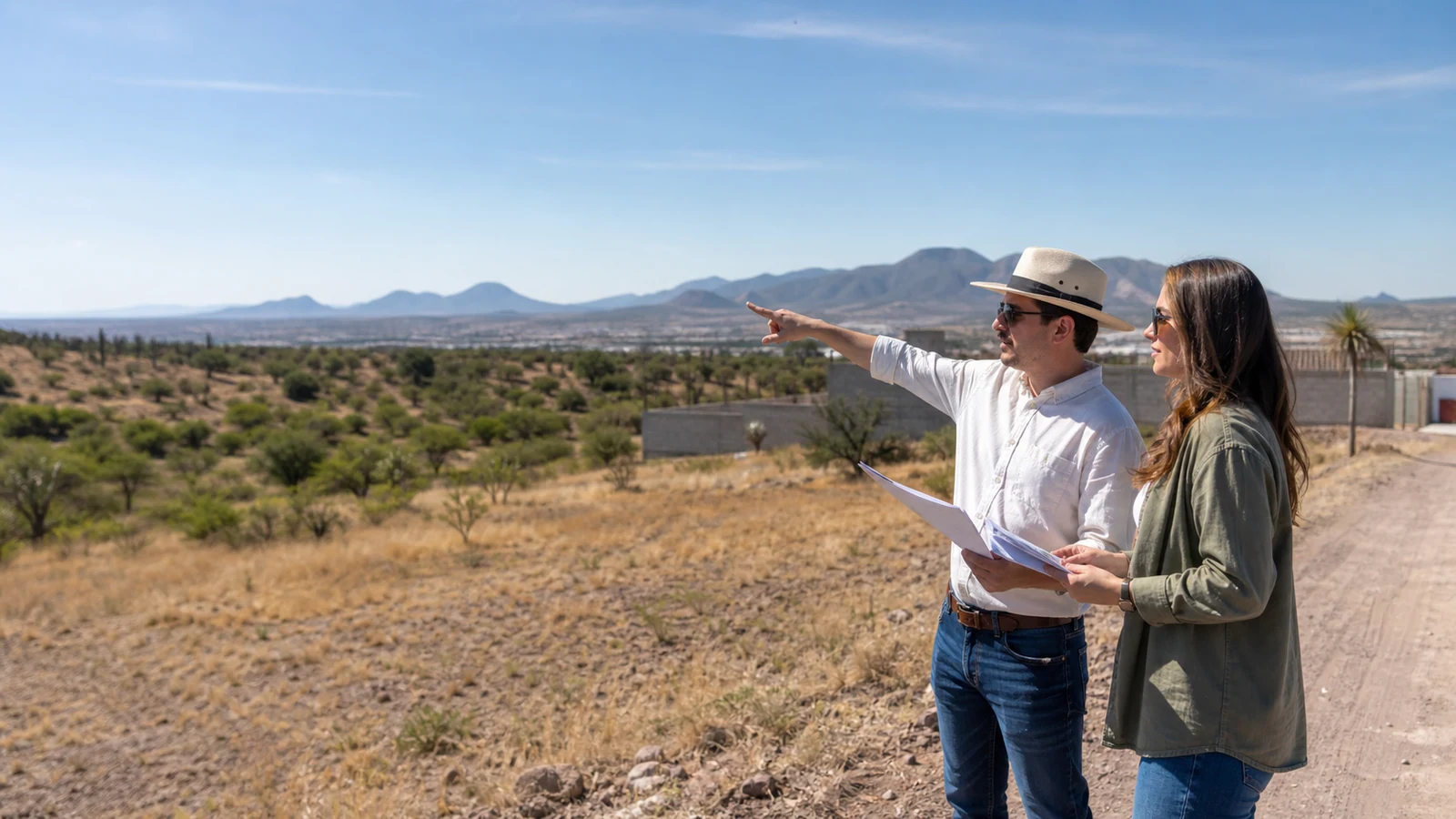
The map does not tell the whole story
Two properties at the same distance can feel very different if one has better access, fewer turns, lighting or alternate routes. That is why buyers are evaluating routes more carefully.
The recommendation is to test the route as if you already lived there.
Useful tests
- Drive during rush hour and at night.
- Review entrances, U-turns and steep slopes.
- Locate gas stations, schools, stores and medical services.
- Ask whether future roads or access changes are planned.
Honest comparison
A development farther away can work if access is clear and predictable. A closer one can become complicated if the daily route is heavy.
Test routes from your real origins
Map trips from work, school, healthcare and shopping and test them at the times you would travel. Record duration, difficult crossings, turns, slopes, lighting and alternatives when a road is congested or closed. The shortest distance is not always the most practical route. If you depend on public transport, cycling or walking, review continuity, waiting conditions, shelter and access into the development instead of only the nearest point on a map.
Observe safety and operation at the entrance
Review sightlines, vehicle speed, merging space, pedestrian crossings, sidewalks, drainage and delivery or emergency movements. Visit in daylight and, when safe, near dusk. Ask how construction equipment, moving vehicles, waste collection and services will enter during each stage. The entrance is part of daily use and may operate differently while construction continues. Do not block lanes or stop in unsafe locations to take photographs.
Separate existing roads from future connections
Ask the plan to distinguish open streets, work in progress and proposed access. Request the responsible party and completion condition for every future connection; a line on a render does not establish construction or timing. Note runoff and low points that may interrupt access during rain. Compare the development using the network that operates today and treat future improvements as pending until supporting documents are available. Keep the route record with each property sheet and update it after later visits.
Measure the route you will use when time is tight
Map trips to work, school, healthcare and shopping at realistic times. Record duration, turns, U-turns, signals, crossings and unlit segments. Test an alternative if the main road closes. The advertised distance rarely includes the entrance maneuver, exit queue or internal drive to the home.
Walk from the nearest transit stop or shop when that option matters to daily life. Check sidewalk continuity, shade, slopes, vehicle speed and driveway crossings. Save dated captures because routes change. Compare developments using the same destinations and times, so one unusually easy visit does not control the decision.