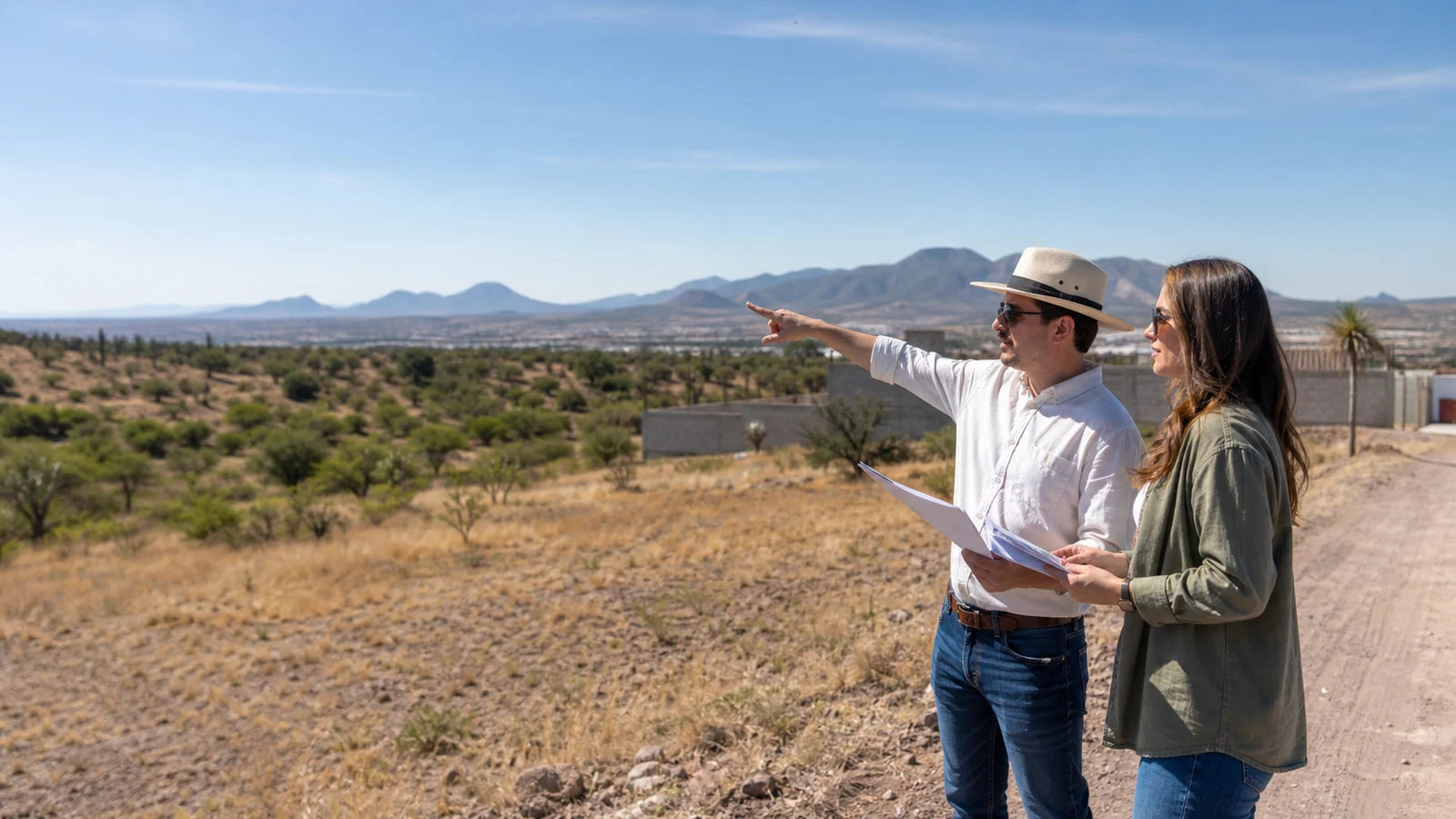
The real start begins before construction
Many projects are delayed not by construction itself, but by earlier decisions: incomplete design, pending permits, unplanned payments or unresolved utilities.
Planning the start reduces improvisation and indirect costs.
Recommended order
- Define construction-ready plans and base budget.
- Review license requirements and property restrictions.
- Align payments, critical materials and suppliers.
- Schedule start considering weather and crew availability.
Realistic margin
Include buffer weeks for procedures and adjustments. A responsible calendar is better than an optimistic date that cannot be met.
Map the path before physical work begins
Create a sequence covering survey, design, budget, requirement review, permit, utilities and site preparation. Assign an owner and dependency to each step. Several activities may progress in parallel, but starting with incomplete information usually moves costly decisions into construction.
Confirm requirements directly with the authority or party responsible for the property because they vary by location and scope. Record the consultation date, requested document and validity. A list from another project is orientation, not authorization.
Integrate purchasing and permits into the schedule
Connect the start date to released drawings, available payments, confirmed suppliers and long-lead materials. Do not schedule crews to wait for decisions. Add review milestones for structure, utilities, envelope and finishes before each stage is concealed.
Separate processing duration, response time and correction margin. When approval depends on third-party information, identify it as a risk. The schedule should reveal critical paths and decision deadlines, not only an attractive completion date.
Use buffers without hiding delay
Include weather, equipment availability, testing and reasonable corrections. A buffer does not replace follow-up: when a date changes, record the cause, effect and recovery action. This distinguishes a controlled adjustment from a growing backlog.
Share a concise version with contractual milestones and a detailed operational version, while keeping both consistent. Before committing a move or financing step, confirm progress with evidence. Planning cannot remove uncertainty; it makes uncertainty visible and manageable.
Schedule from the information each approval needs
Build a matrix of applicable permits, studies, opinions and utility agreements. Record requirements, owner, agency, cost, validity and dependencies for each item. Do not schedule construction for the day after a theoretical approval date. Allow time for corrections, payment and delivery of the document.
Separate design work that can proceed from tasks depending on approval. Avoid purchasing materials or booking crews for work that may still change. Update the schedule with actual submission and response dates. A pending permit should appear as a visible risk rather than a hidden note in the calendar. Record who will follow up and the next confirmed review date.