
Dry climate also wears things down
Many people associate maintenance only with rain, but dry season exposes paint, seals, patios and windows to dust, sun and temperature changes.
Reviewing early prevents more expensive repairs later.
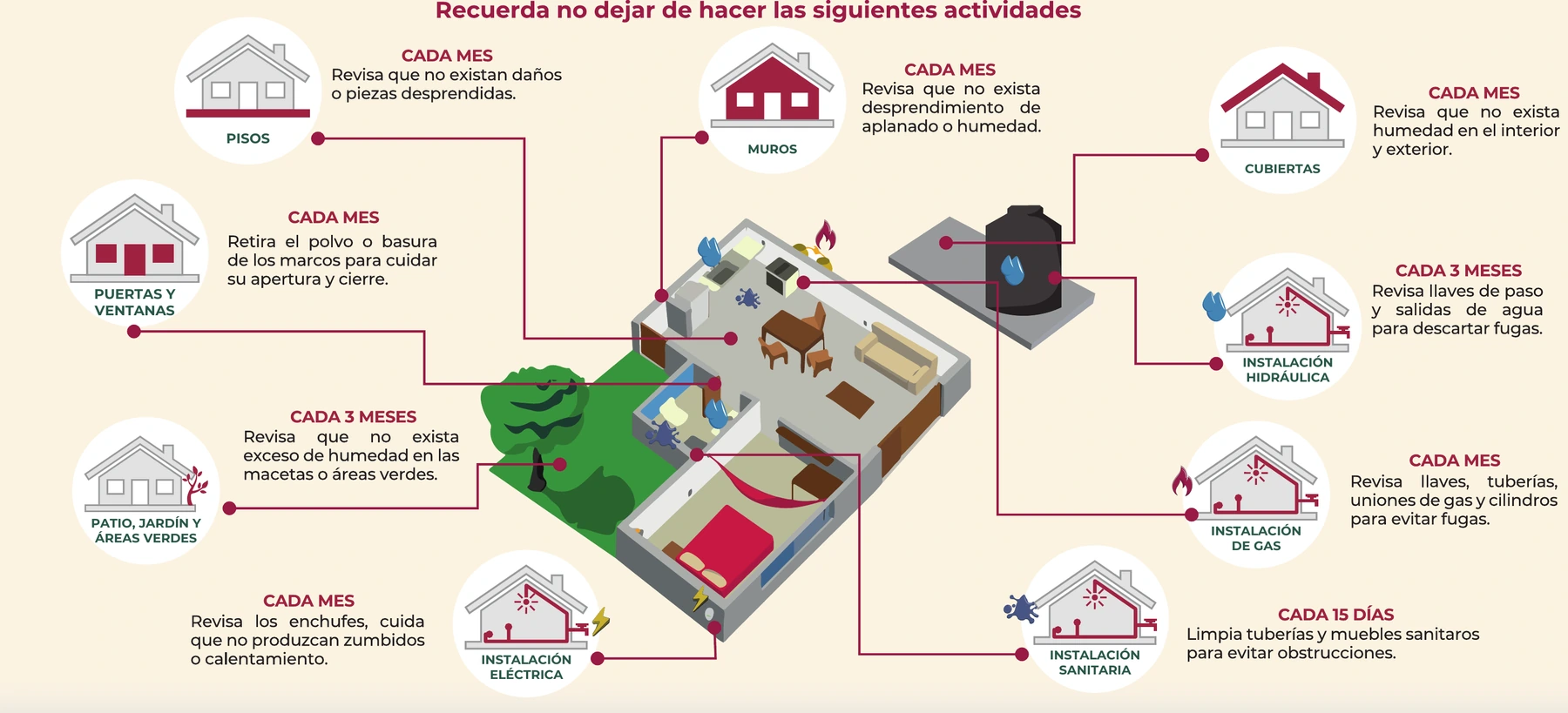
Recommended review
- Seals around windows, doors, roof and joints.
- Exterior paint exposed to intense sun.
- Cleaning patios, gutters and downspouts.
- Efficient irrigation and plant health.
Simple habit
Schedule a short quarterly review. Consistency is worth more than waiting for a visible problem.
Start with a recorded inspection
Walk through the home from top to bottom and take dated photographs of the roof, facades, seals, doors, windows and patios. Look for changes since the previous review: new cracks, open joints, chalking paint, loose pieces or moisture that remains without rain. Periodic comparison helps separate superficial wear from a developing condition that warrants technical review.
Inspect early or late in the day to avoid very hot surfaces. Do not walk on fragile roofs or perform work at height without suitable equipment and conditions.
Dust, sun and material movement
Dust can obstruct filters, grilles, drains and hardware. Sun degrades coatings and sealants, while temperature swings reveal weak joints. Clean before repairing: dirt hides damage and reduces product adhesion.
- Review weatherstripping and latches without blocking necessary ventilation.
- Clean filters and follow the manufacturer's maintenance schedule.
- Remove leaves and debris from gutters before the first rain.
- Confirm that outdoor equipment has suitable shade and airflow.
Order repairs by risk and dependency
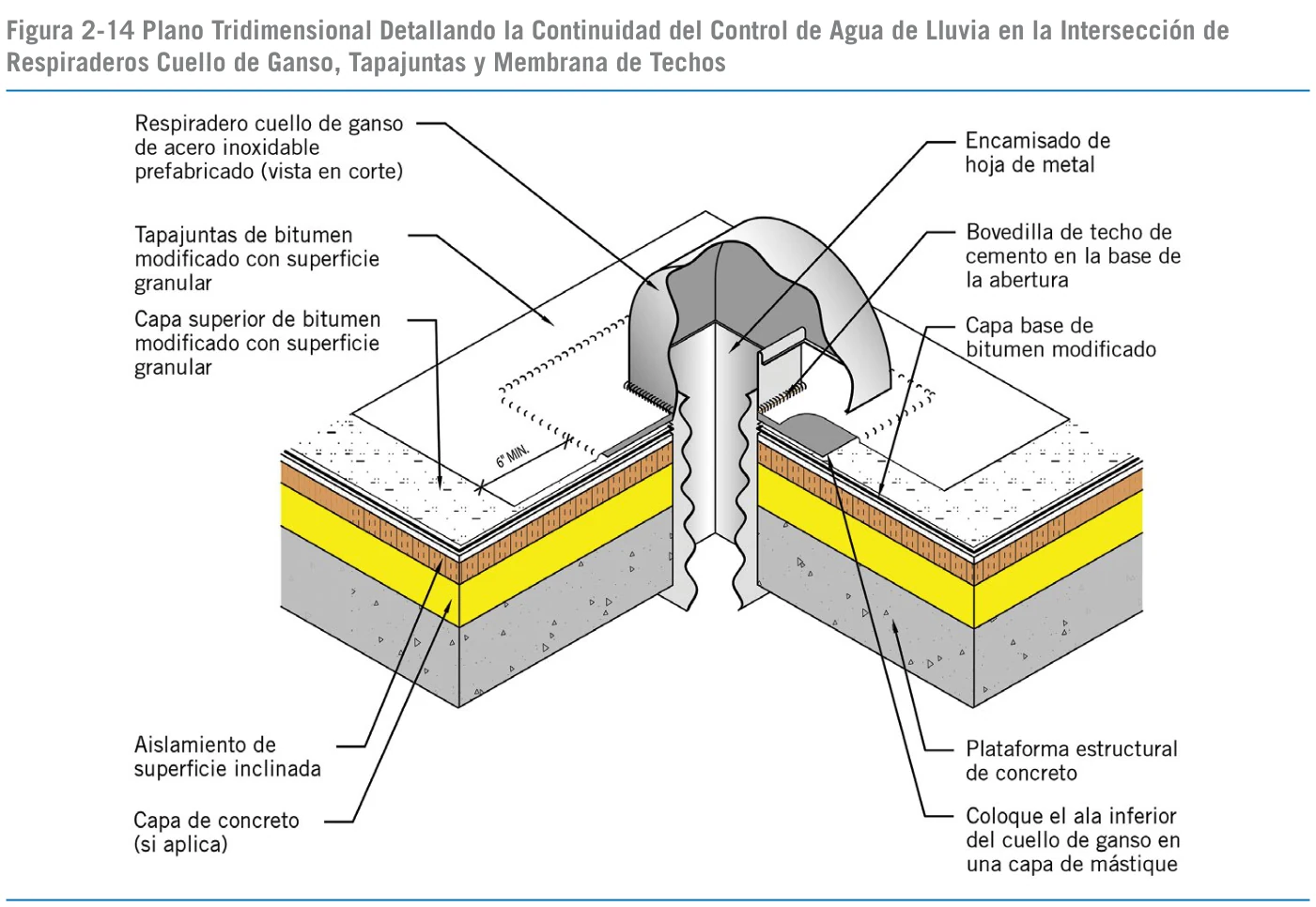
Address safety, water entry, services and loose elements first. Schedule seals and coatings next, and leave appearance until last. Before applying a product, confirm compatibility with the existing material and follow preparation, temperature and curing instructions.
Keep a log with the date, finding, action, product and responsible person. As rainy season approaches, confirm that critical tasks are closed. Preventive maintenance cannot remove every failure, but it helps detect problems while they remain manageable.
Use dry months to prepare for rain and heat
Clean the roof, downspouts, drains and joints before water prevents access. Inspect cracks, seals and loose pieces with dated photographs. Address shade, filters, doors and windows before the hottest days. Dust can hide wear or block ventilation, but avoid washing debris into drains.
Schedule tasks by risk and access. A five-minute monthly check can find change earlier than one long annual visit. Record the product, date, responsible person and result. Do not coat a defect with waterproofing or sealant without diagnosis. Dry weather makes repair easier; it does not make every coating a solution. Keep the record for comparison after the first heavy rain.