
Financing before emotion
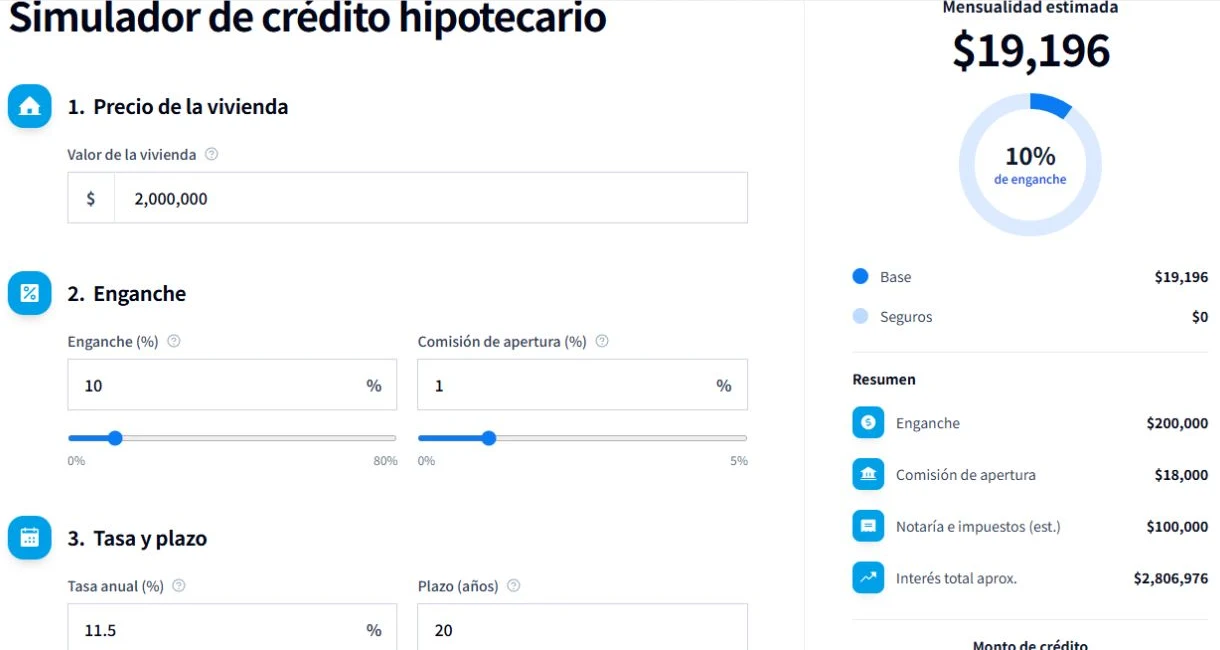
Looking at homes without knowing your real range can create frustrating decisions. Before falling in love with an option, build a clear picture of down payment, possible monthly payment and closing costs.
That preparation also improves your negotiating position.
Basic elements
- Savings available for down payment and reservation.
- Prequalification or simulation with realistic rate and term.
- Credit history, verifiable income and current debts.
- Budget for appraisal, deed, insurance and moving.
Responsible decision
A home must fit monthly life, not only the approved loan. Leave room for maintenance, utilities and family changes.
Separate approved capacity from comfortable capacity
A prequalification shows what a lender might provide under certain assumptions; it does not define what is comfortable to pay each month. Before touring homes, record net income, debts, recurring expenses and available savings. Set a payment that leaves room for utilities, maintenance and foreseeable household changes.
Also test what happens if a major expense rises or income temporarily falls. This simple exercise creates a steadier search range and reduces the temptation to use the full approved amount merely because it is available.
Build the complete upfront-cash figure
The down payment is only one part. Include the reservation deposit, appraisal, notary or deed costs, insurance, applicable fees, moving and essential improvements. Ask for every concept to be identified separately, and distinguish confirmed amounts from figures that are still estimates.
Keep a reserve outside the transaction. If signing consumes all savings, a repair, essential purchase or delivery delay may have to be funded with more expensive debt. A responsible budget protects the purchase after the keys are handed over.
Compare offers with the same worksheet
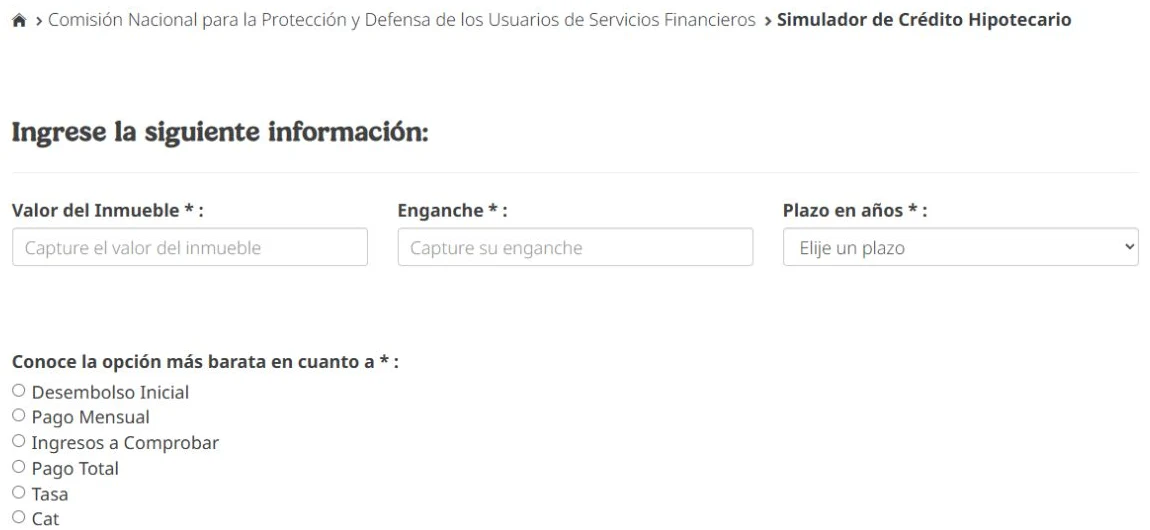
Review two loans using the same amount, term, rate, total annual cost, initial payment, insurance, fees and total paid. Confirm whether the rate is fixed, how prepayments work and which documents keep the offer valid. A lower payment can conceal a much longer term.
Before paying the down payment, verify that price, payment schedule, dates and refund conditions match across the quote, contract and receipts. If a detail changes, request an updated version. The goal is a structure you can understand, compare and sustain. A polished promise does not provide that control.
Separate lender approval from household capacity
List net income, fixed expenses, debt, available savings and costs that will change after moving. Calculate a payment that leaves room for maintenance, insurance, property tax and emergencies. The lender's approved amount reflects its criteria. It does not know every household priority or income variation.
Before reserving, request an estimate covering down payment, appraisal, fees, closing costs, insurance and cash needed before signing. Test the payment under a less favorable rate or income when relevant. Record the offer's validity and missing documents. When the purchase depends on selling another asset, treat those funds as uncertain until received.