Memory mixes details
After three visits, it is common to confuse prices, dimensions or conditions. That is why using the same sheet for each property helps.
Comparing with method reduces impulsive decisions.
Useful fields
- Total price, payment structure and validity.
- Location, access and travel times.
- Available utilities and development stage.
- Documents seen, pending items and next steps.
End of day
After the visits, organize finalists and discard options with concrete reasons. This makes requesting additional information easier.
Prepare one sheet before seeing the first option
Define five or six criteria tied to actual use and apply the same scale. For a home, they may include layout, condition, services, trips and initial cost; for a lot, access, slope, infrastructure, restrictions and documents. Keep separate spaces for verified facts, promised information and pending items.
Print or download the sheets because reception may fail. Record time, weather and companions: light, traffic and noise change perception, and it helps to remember the conditions under which each property was observed.
Follow the same route during every visit
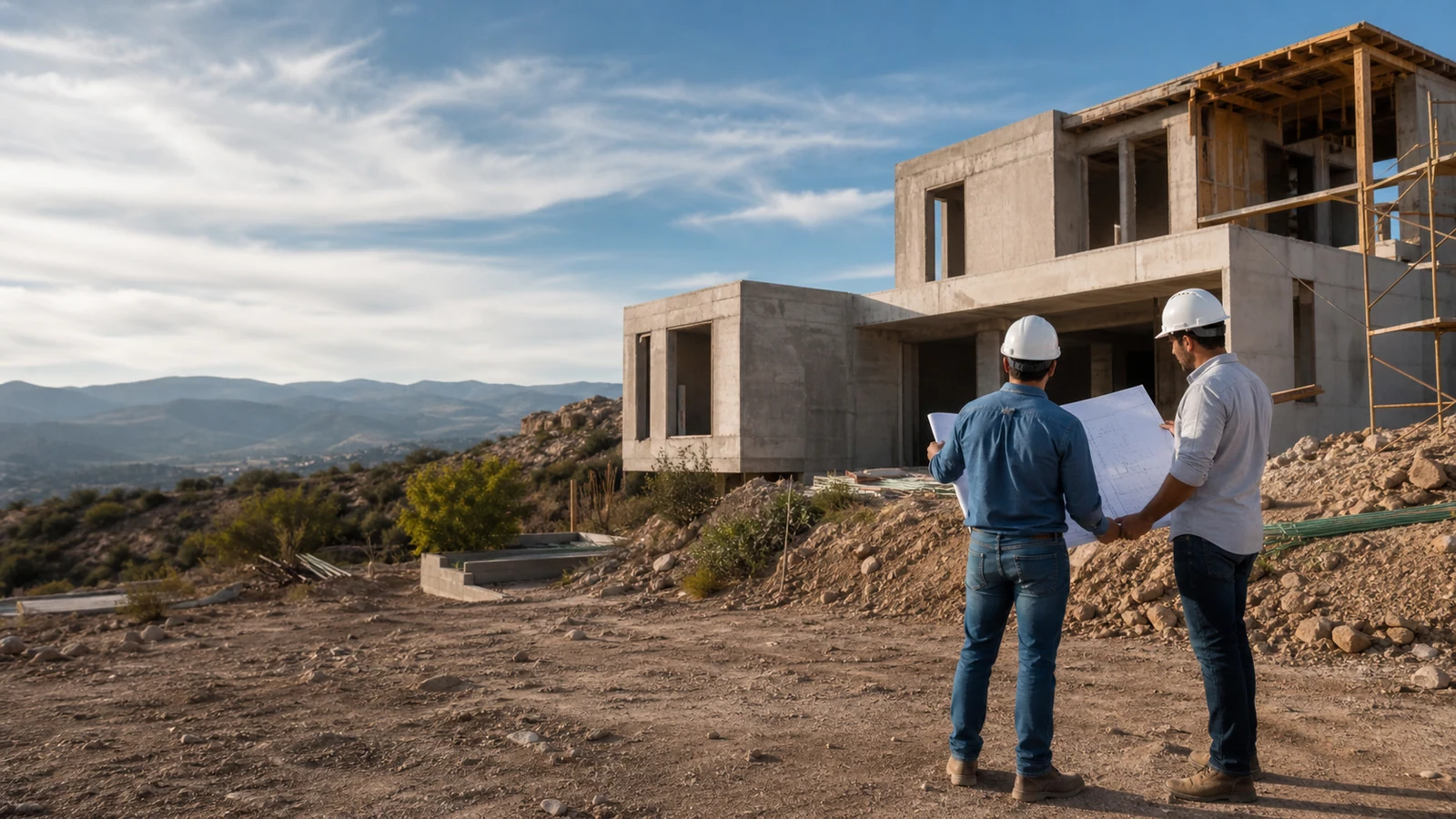
Start with the surroundings, continue through boundaries and exterior areas, and finish inside the home or lot. Measure only with permission and photograph in a repeatable sequence. Do not let an attractive finish displace checks of water, ventilation, damage, boundaries or access.
- Confirm price, included items, validity and payment method.
- Record which document you saw and which was only mentioned.
- Test priority trips at a representative time.
- Ask the same essential questions of every responsible party.
Compare later, with evidence and a clear head
After each visit, spend five minutes filling gaps and marking questions. Do not score while someone is presenting the next option. At day's end, first remove properties that fail a non-negotiable criterion, then compare strengths among those that qualify.
Request decision-changing information in writing and set a receipt date. A second visit should resolve finalists rather than repeat the tour. Track the version of prices and documents so the comparison does not mix conditions from different days.
Record the visit before getting back in the car
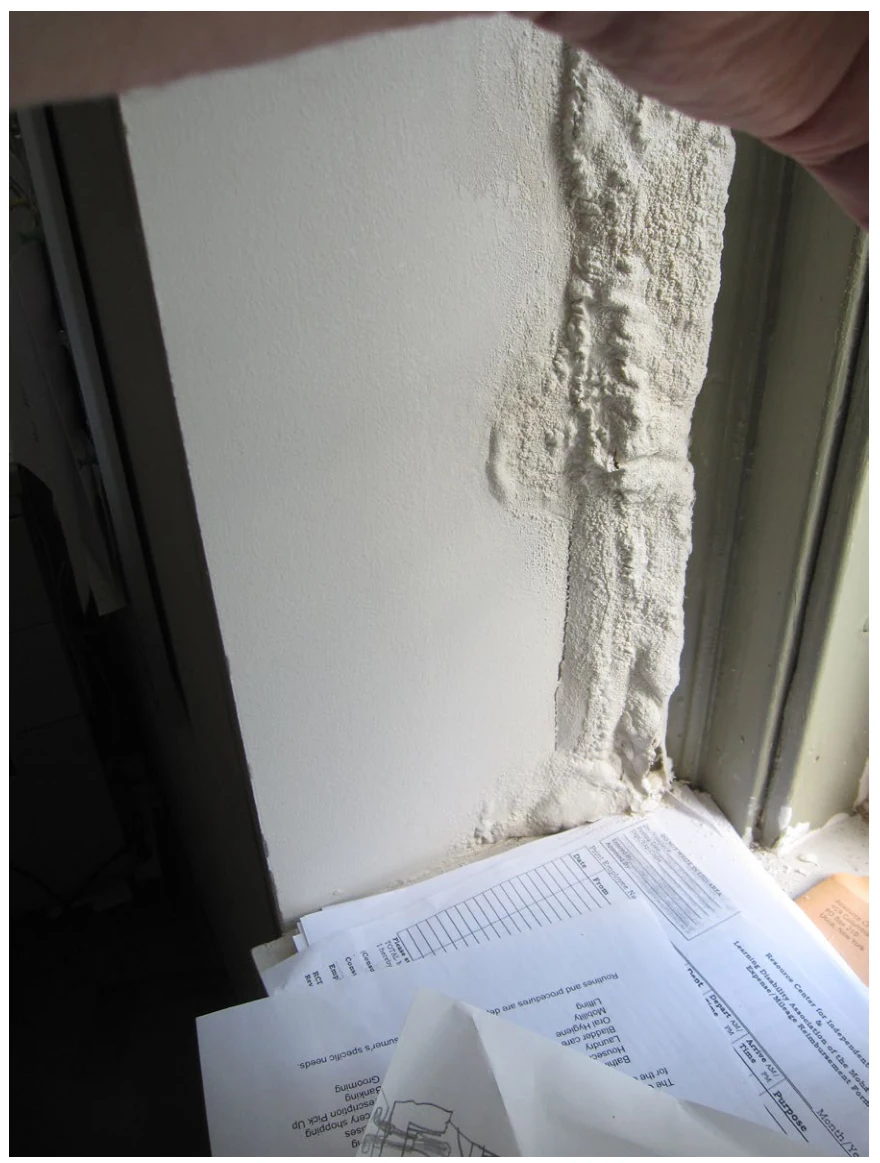
Use the same sheet for location, area, layout, light, noise, moisture, utilities, repairs and documents. Take the same photographs at every property and mark what could not be checked. Before leaving, record a brief note with the strongest feature, main question and reason to reject or revisit the property.
Separate facts from impressions and assign a cost or risk to every open item. An attractive kitchen does not offset questionable structure, while worn paint may be simple to correct. At the end of the day compare sheets instead of memories. Request detailed documents for options that meet mandatory criteria.