A useful folder preserves context, not only files
Downloading documents to a phone is not the same as maintaining a due-diligence file. Every file should identify the property it supports, who provided it, when it was received and whether a later version exists. A consistent structure helps compare the sales promise with the contract, plan and available public records.
Create a main folder named for the development, phase, block and lot. Inside, separate party identification, ownership and liens, cadastre, infrastructure, contract, payments and communications. Use year-month-day filenames so versions sort correctly without vague labels such as final or new.
The minimum core before a reservation
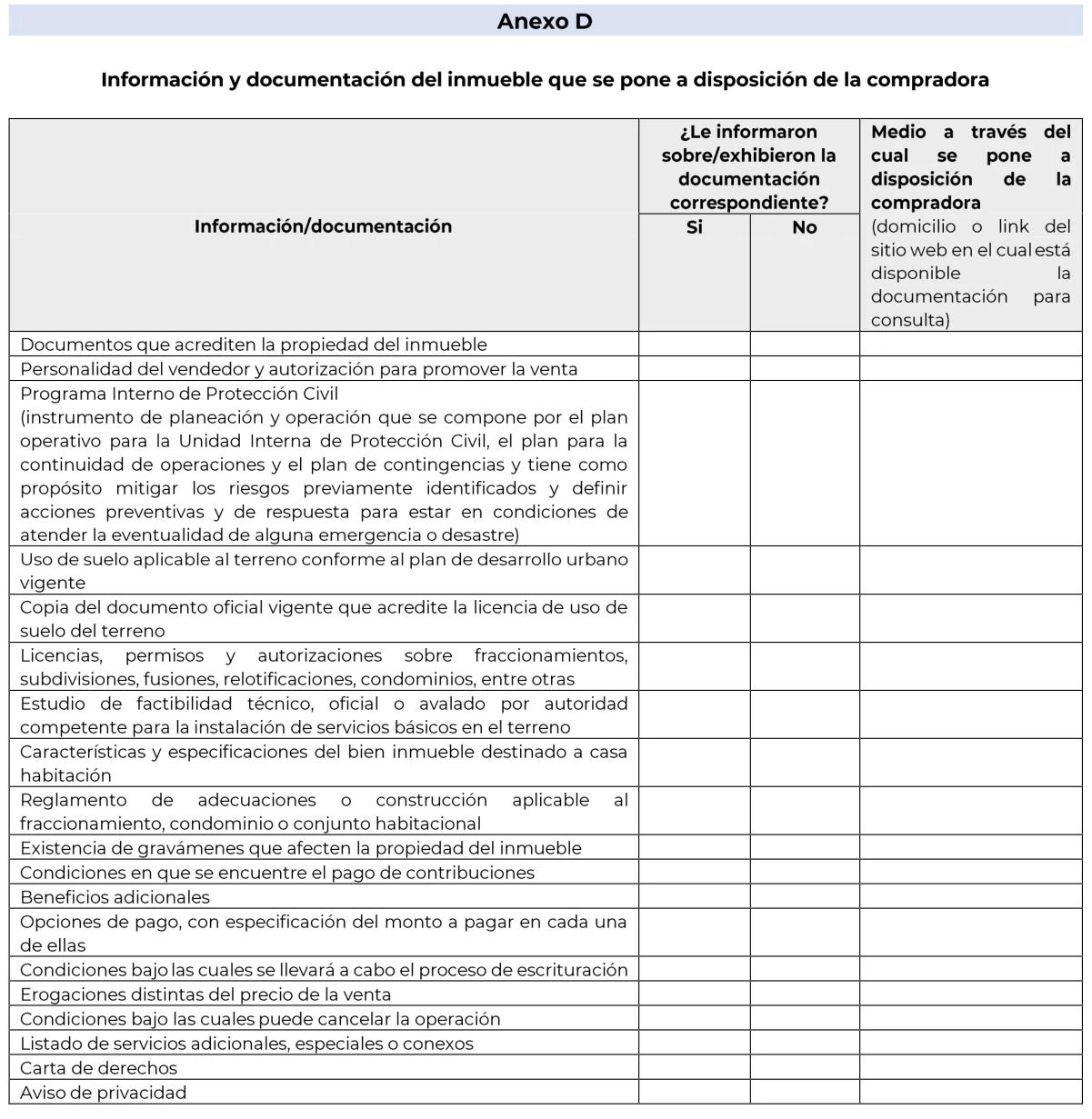
Documents serve different purposes and do not remain current forever. Record the issue date, responsible authority or professional, and the fact each item confirms. If you receive a cropped photograph, request the complete file: seals, reference numbers, exhibits and preceding pages may change its meaning.
- Identification and details of the seller or the owner's representative.
- Ownership record and a current registry certificate when applicable.
- A plan identifying the lot, area, boundaries and development phase.
- Cadastral status, promised utilities and applicable restrictions.
- The full contract, exhibits, payment schedule and refund policy.
Record verification and protect sensitive information
Add an index with four states: received, reviewed, pending and superseded. For every document, note where it was checked and which question remains. A call can provide direction, but any clarification affecting area, price, handover or refunds should appear in the contract or a signed exhibit.
Share the folder through restricted access, enable two-step verification and avoid public links. Keep a separate backup and preserve original receipts. The file does not replace notarial, legal or technical advice; it makes that review faster, traceable and focused.

Version control that prevents mistakes
Never delete a received version. Move it to a superseded folder and record in the index which file replaced it. This preserves what information existed when the reservation was made. For plans and contracts, log specific changes in area, price, dates and penalties instead of relying on a document's visual appearance.
A ten-minute final review
The desired result is not a large folder but an explainable decision. You should be able to show what was checked, through which source and which condition remains open. If a pending matter is material, make it a written condition or postpone the transaction.
- Open every file and confirm it is complete and readable.
- Check that names, lot, area and amounts match throughout.
- Confirm that every cited exhibit is actually included.
- Separate verified facts from utilities or dates that remain projected.
- Export the index with pending items and owners before the signing meeting.
Make every file retain its origin and validity
Create folders for identity, ownership, cadastre, development, agreement, payments, utilities and communications. Name every file with the date, type and issuer, keeping the received original and a working copy. Record what it verifies, who supplied it and whether it was replaced. Screenshots without context lose value when a discrepancy appears.
Protect personal information with limited access, encrypted backup and additional authentication. Share expiring links when possible and revoke them after completion. Do not use messaging as the final archive. Before signing, confirm that documents cited in the agreement are identical to those reviewed.