
Nearby services, but well planned
A commercial lot within or near a residential area can support stores, services and local jobs. The challenge is avoiding impacts on calm, circulation or safety.
The mix works when rules are clear from the beginning.
Compatibility criteria
- Permitted uses and reasonable schedules.
- Access without invading internal residential streets.
- Space for loading, unloading and parking.
- Management of noise, waste, lighting and suppliers.
Value for the development
The right commerce improves daily life and can support appreciation. Poorly located commerce creates conflict, so review rules and urban design.
Define compatibility before discussing convenience
Neighborhood commerce works when the business type, scale and hours fit the surroundings. Review permitted use, development rules and municipal conditions before assuming any business may operate. A daily-needs store creates different impacts from a workshop, event-oriented service or establishment with frequent deliveries.
Describe the expected operation through occupancy, hours, suppliers, waste, lighting and equipment. This worksheet reveals whether the lot needs additional controls or whether the proposed use conflicts with the quiet and safety of neighboring homes.
Resolve access without shifting the cost to residential streets
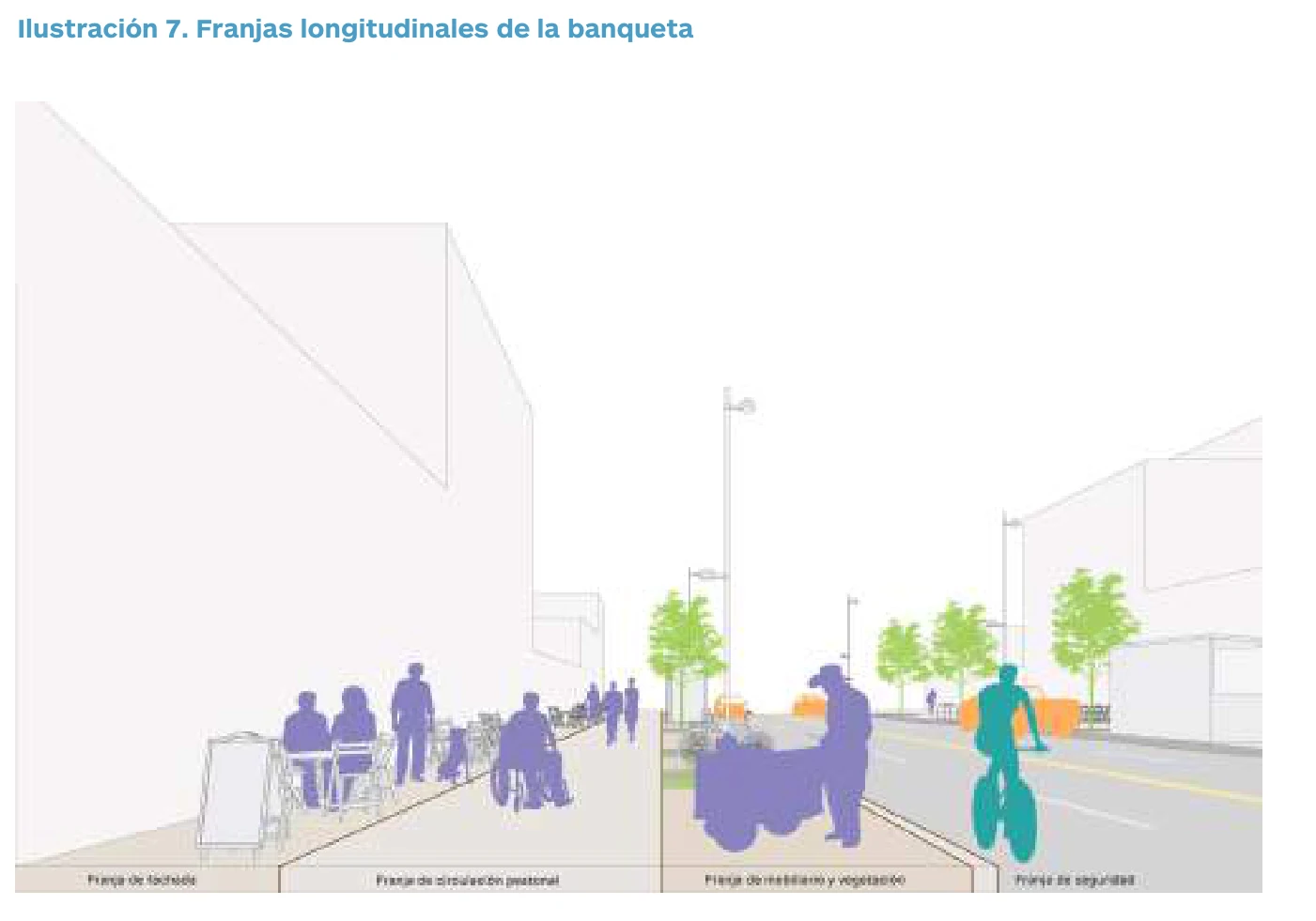
Map customer, employee, supplier and emergency routes separately. Confirm where pickup, drop-off, loading and parking would occur without blocking sidewalks, driveways or crossings. A visible entrance may still be poor if it requires unsafe maneuvers or creates queues inside the development.
Observe the area during school arrival, evening return and weekend periods. Document speed, visibility, lighting and pedestrian space. Review vehicle flow alongside people walking, using wheelchairs, pushing strollers or crossing with children.
Set measurable coexistence rules
Before buying or leasing, identify who enforces noise, waste, sign, hour and exterior-maintenance rules. Obligations should appear in the contract, regulations or applicable authorization; a verbal promise is difficult to enforce after operations begin. It should also be clear how incidents are reported and who responds.
Evaluate the service's current value rather than guaranteed appreciation. Compatible commerce can shorten trips and activate public space; an oversized operation can create constant conflict. The stronger decision balances business feasibility with an operation the surrounding community can understand.
Test coexistence before projecting income
Map customer, supplier, waste and parking routes. Then compare them with residential entrances, sidewalks, windows and quiet hours. A business may help the neighborhood and still create conflict when deliveries block homes or vehicles fill a narrow street. Review restrictions on activity, signs, noise and nighttime operation.
Calculate the premises that fit after parking, utilities, maneuvering and true usable area. Compare expected rent with similar businesses that meet those conditions. Request written confirmation of permitted use and development rules. Commercial value depends on lawful daily operation, not merely proximity to many homes.