An opportunity should not hide information
An attractive listing can be legitimate, but if it avoids documents, exact location or seller identity, pause. Pressure to pay quickly is a risk signal.
Prevention begins before the visit.
Common warnings
- Very low price without verifiable explanation.
- Refusal to show documents or contract.
- Location shared only through vague references.
- Payments to unrelated accounts without formal receipt.
How to protect yourself
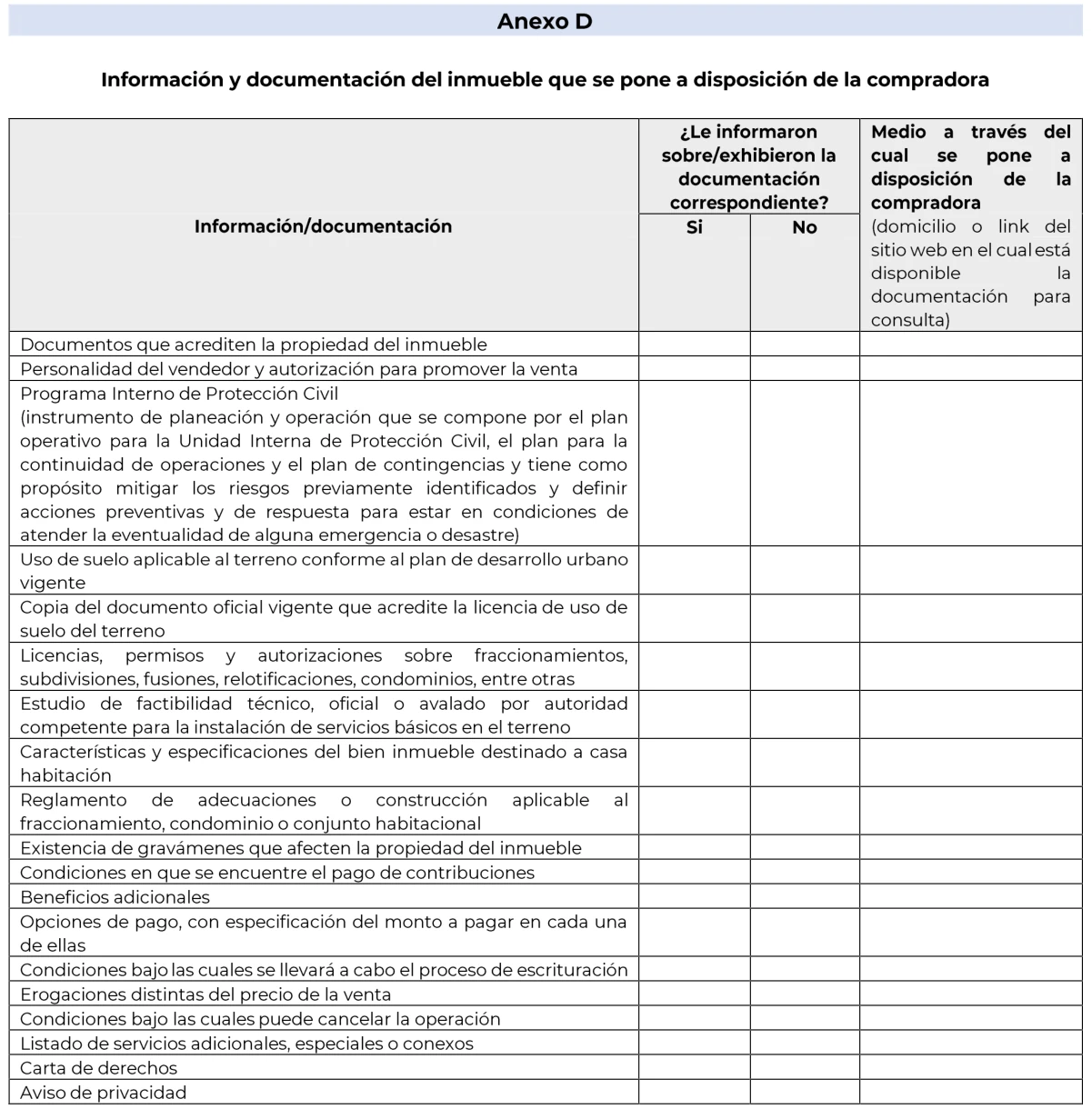
Verify identity, ownership, address and conditions in writing. If something changes during negotiation, ask for the document to be updated before paying.
Verify the advertiser before evaluating the offer
Save screenshots of the listing, phone number, profile, date and price before making contact. Request a full name or business name and ask the person to explain their relationship to the property. A visible identity does not prove ownership, but it helps expose changing stories and creates basic traceability.
Be cautious if the conversation immediately moves to disappearing messages, a video call is refused or different contacts send payment instructions. Do not share complete personal documents during the first exchange; provide only what is necessary once the process and recipient are clearly identified.
Cross-check location, ownership and terms
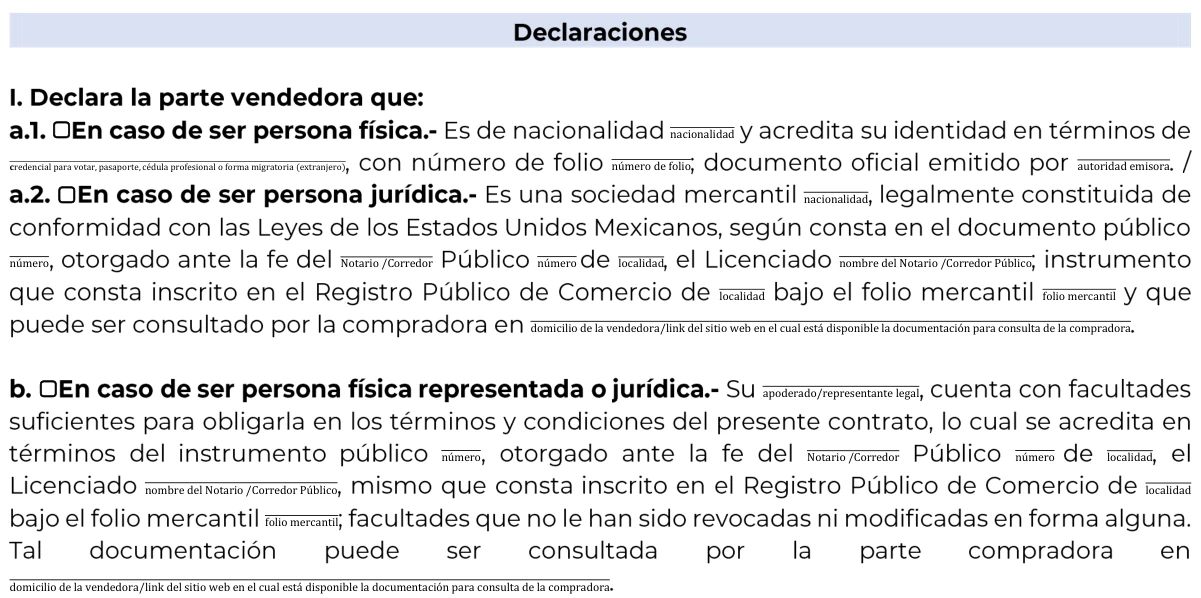
Request the exact address or lot identifier, ownership document, dimensions and available registry details. Compare names, areas and boundaries; a photograph or map pin does not replace these records. The Public Registry and Cadastre serve different purposes, so their information should be reviewed together.
Read a draft contract before any transfer. It should identify the property, parties, price, validity, refund rules, payments and next steps. If the listing promises utilities, discounts or a delivery date, ask for that condition to appear in the applicable document.
Keep payments traceable
Do not pay to obtain documents that should be reviewed before a reservation. Confirm the account holder, payment concept, amount and receipt; avoid split deposits to unrelated third parties without a contractual explanation. Pressure to capture an offer within minutes is incompatible with a reasonable ownership and terms review.
If a detail does not match, pause and request written clarification. Keep the listing, messages, documents and receipts in one folder. Organization cannot guarantee a transaction, but it makes inconsistencies easier to detect and supports professional or institutional review before more money is committed.
Verify the person before verifying the offer
Search the phone number and photographs outside the listing to detect copied posts. Confirm the name, company, address and authority of the contact through independent channels. Call the official company or owner number rather than one in a forwarded message. Treat new accounts, bank-detail changes and pressure for immediate payment as warning signs.
Visit the property and compare its address, owner and documents with official sources or qualified professionals. Do not send complete identification before knowing who receives it and why. Mark copies when possible. If an inconsistency appears, stop payment, preserve messages and report through the platform and appropriate authority.