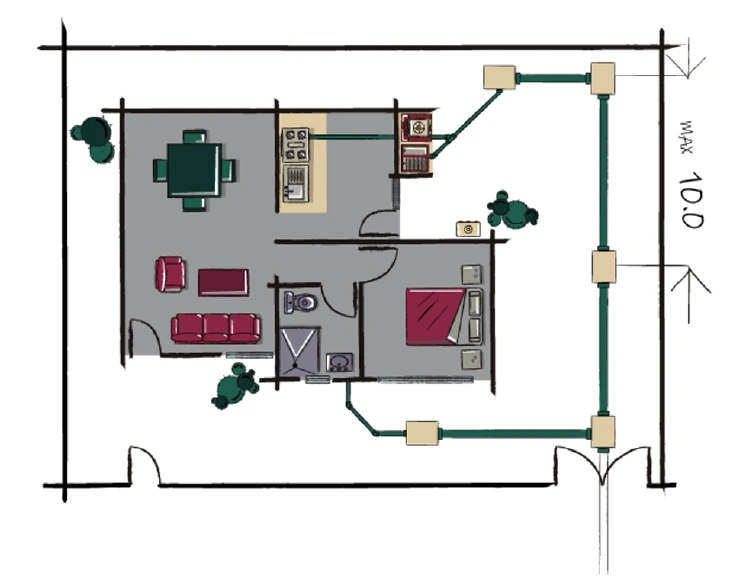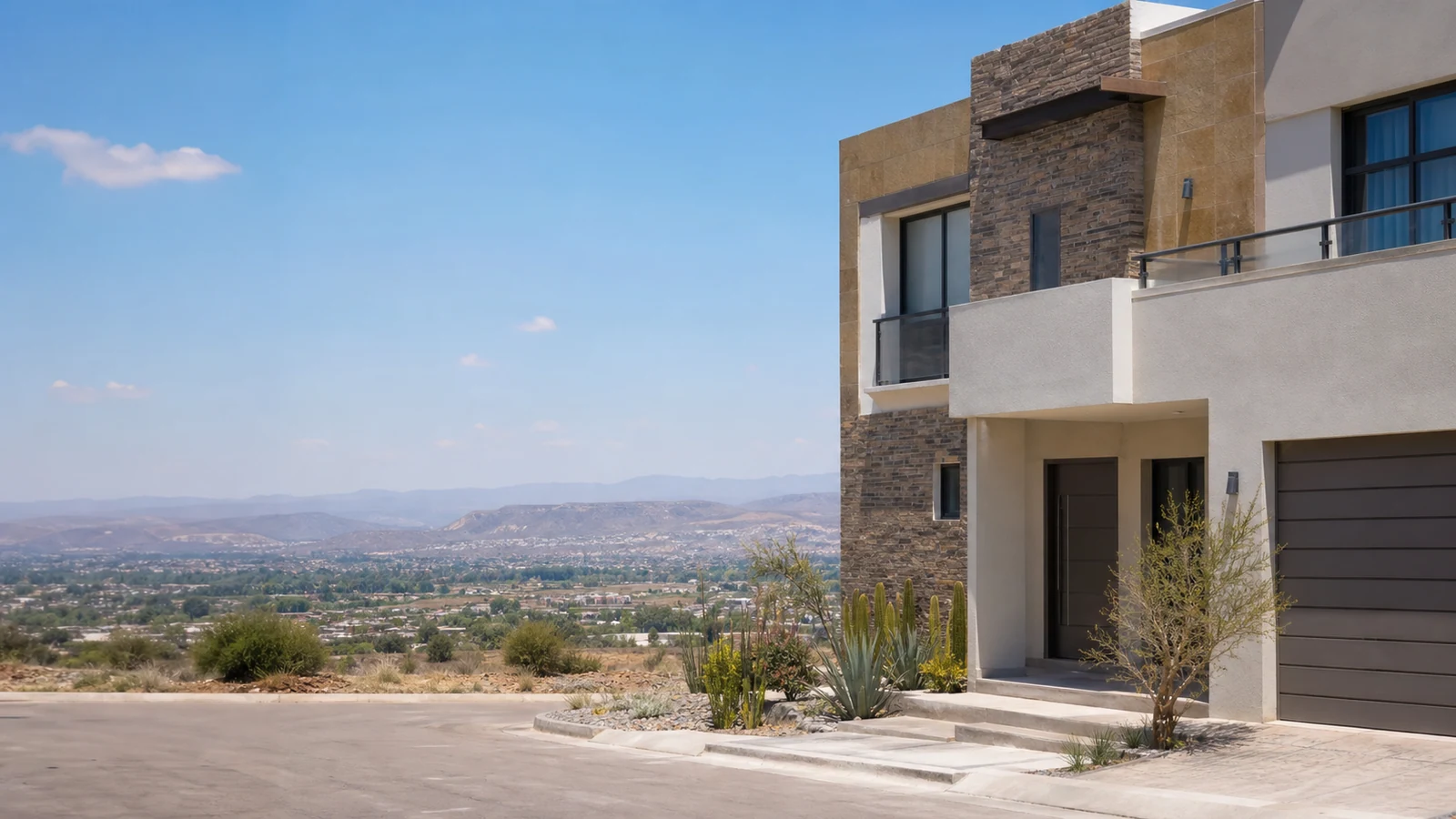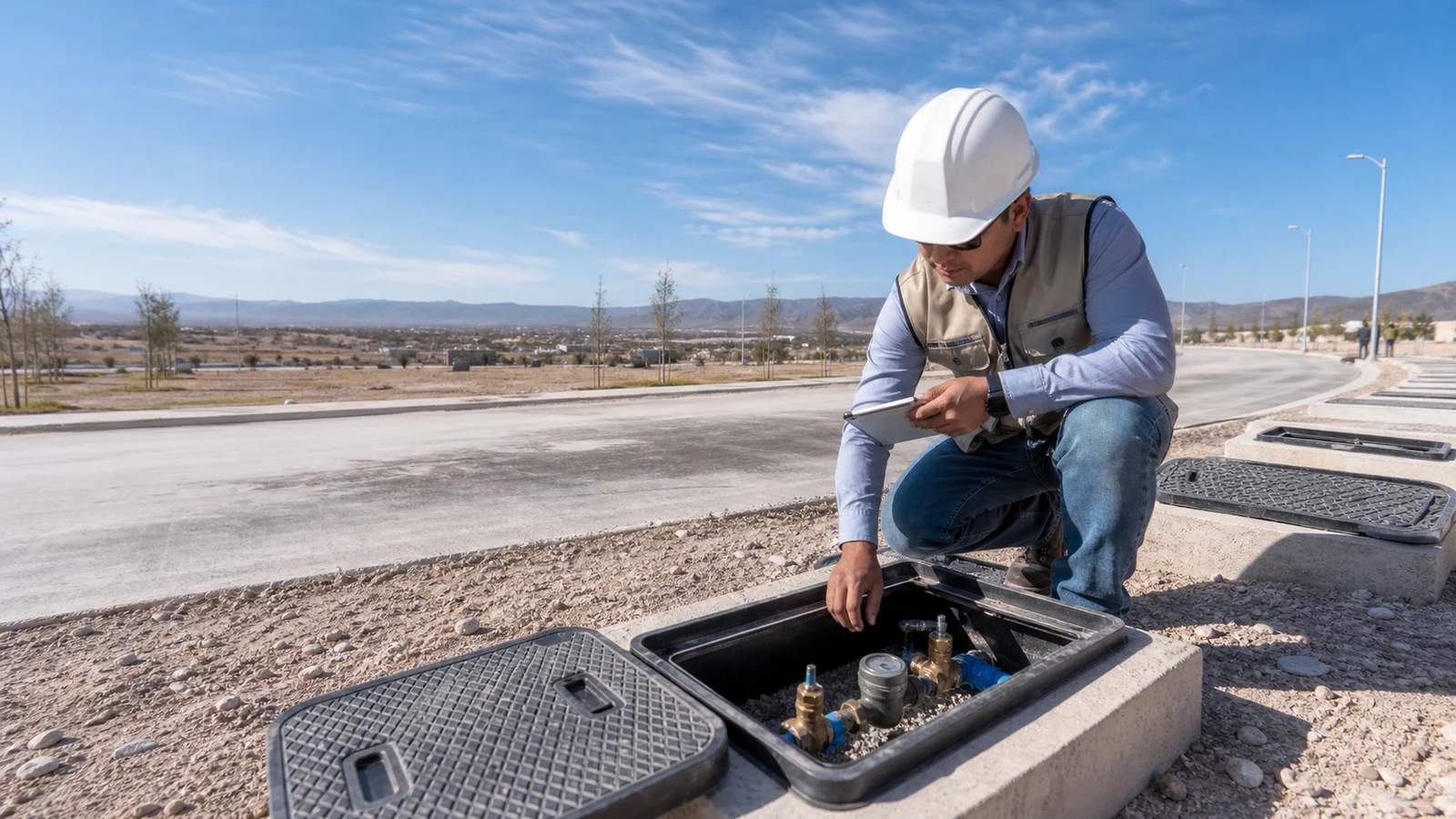
Water and drainage define feasibility
Before choosing a lot, ask where connections will be, whether the network operates and which procedures remain. These details change the budget and real start date for construction.
They also help design levels, patios and service areas in the home.
What to observe
- Utility boxes, valves, visible pipes or network plans.
- Slope toward drainage and low points on the land.
- Responsible party for connection and related costs.
- Testing, delivery or operation dates.
Less uncertainty
Hydraulic infrastructure is not the most visible detail, but it is one of the most important. Request evidence and keep it with your file.
Distinguish planned, installed and operating networks
Ask separately whether a hydraulic design exists, pipes are installed, tests are complete and service is operating. Each stage provides a different level of certainty. Request the plan, utility-box locations and available test or handover evidence instead of assuming visible work means an immediate connection.
Identify who builds the network, who will receive it and which step belongs to the owner. For future dates, request verifiable milestones rather than a general promise. This connects the land purchase to a realistic time for design, permitting and construction.
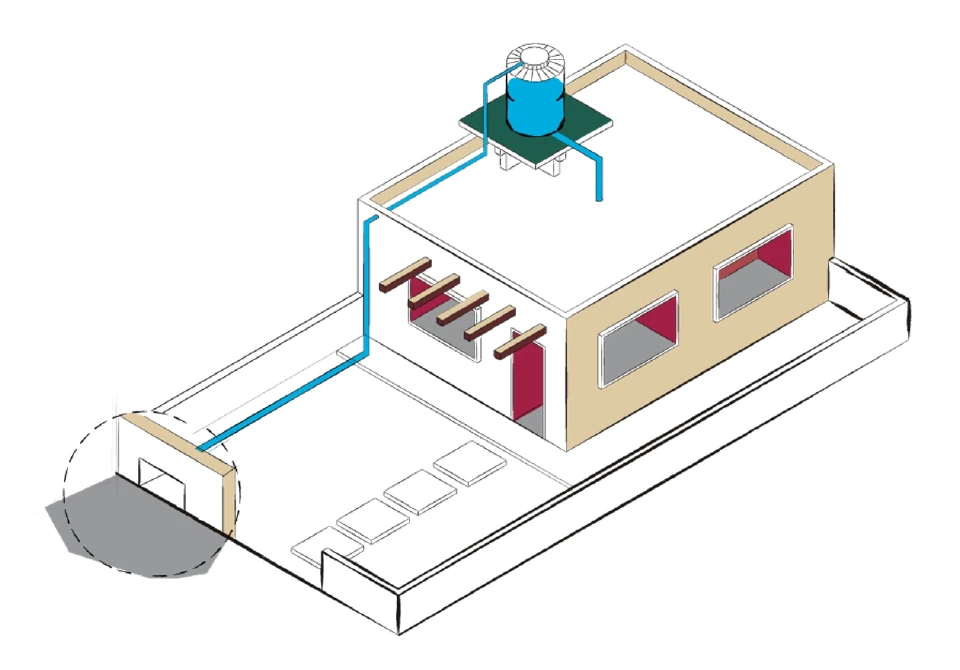
Read levels and runoff together with connections
Locate street level, lot slope, low points and the natural direction of water. Ask at which elevation drainage and water connections will sit. These conditions affect entries, patios, foundations and sanitation; they should not be addressed only after the home has been defined.
Visit after rain when possible and look for erosion marks, standing water or recent fill. Rainwater harvesting may complement the design, but it does not replace drainage, safe conveyance or measures that keep runoff from being discharged onto neighboring properties.
Add costs and records to the property file
List connection rights, meters, excavation, cisterns, pumping or temporary solutions that may apply. Separate what the land price includes from what the buyer will fund. Figures should be confirmed with the responsible entity before they become part of a construction budget.
Keep plans, receipts, dates and contacts with the contract and property documents. If infrastructure is a delivery condition, it should have a verifiable scope in writing. This review does not design the home's installation; it prepares reliable information for the technical project.
Follow water from the network to discharge
Ask to locate the pipe, valve, service line, meter, sanitary discharge and stormwater path related to the lot. Record diameters and elevations when plans provide them. A visible service line does not prove pressure or continuity. A nearby drain does not confirm slope or capacity. Request tests, feasibility and an owner for each connection.
Review which elements sit under the street, sidewalk or private property and who may maintain them. Ask about pumping, water storage, discharge restrictions and network separation. Take the diagram into the house design before fixing levels. Moving an outlet or raising the home later can cost far more than clarifying infrastructure before purchase.