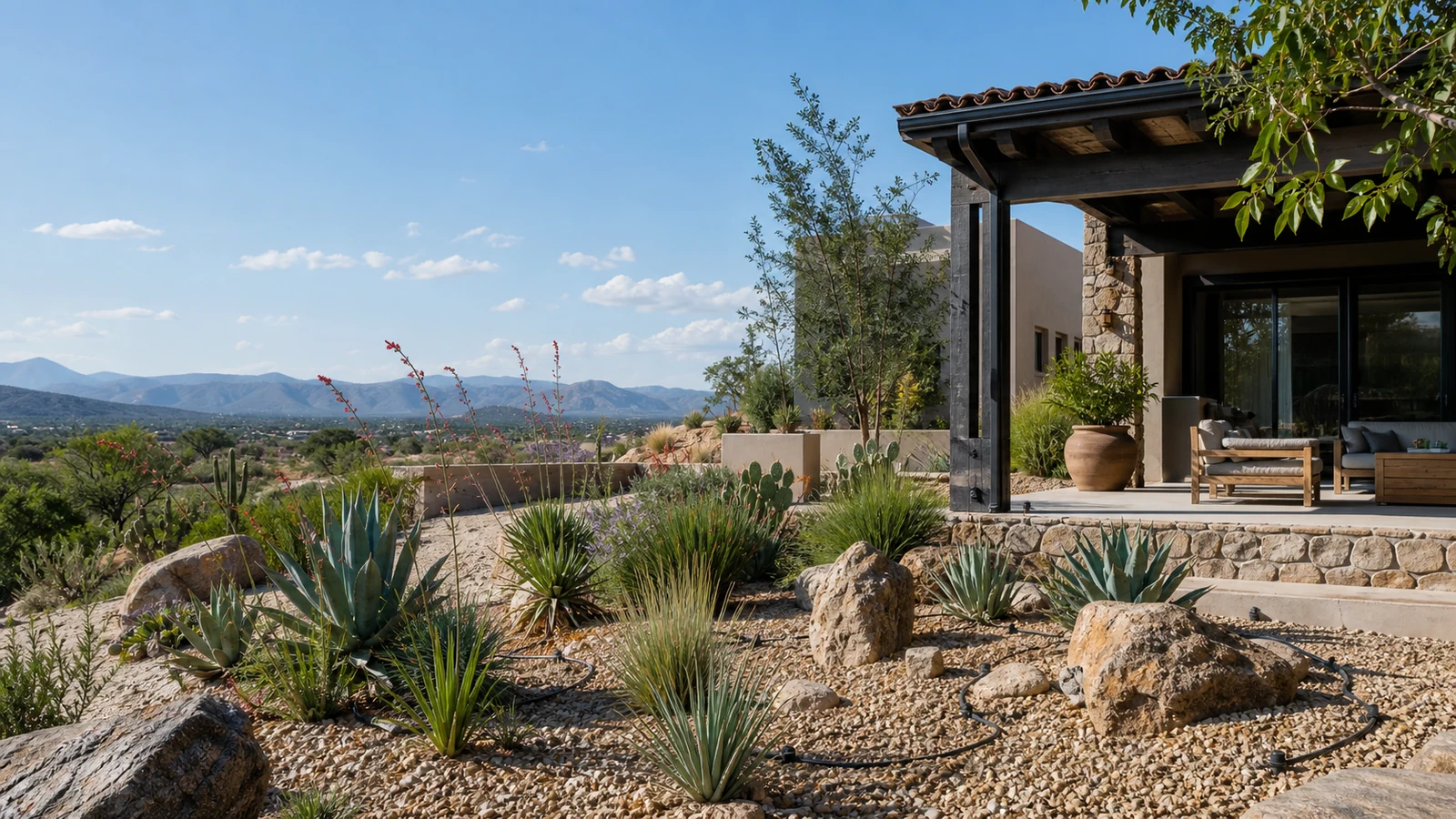
A dry garden can be comfortable and attractive
Saving water does not mean giving up outdoor space. Good design uses resistant species, shade, gravel, drip irrigation and well-defined use zones.
The goal is to enjoy the garden without excessive watering.
Concrete actions
- Group plants with similar water needs.
- Use drip irrigation and avoid unnecessary sprinkling.
- Place mineral or organic mulch to conserve moisture.
- Shade walls and windows with stronger exposure.
Responsible design
Before buying plants, review sun, wind and patio use. A well-planned garden consumes less and holds up better.
Calculate the garden from the site, not a catalog
Map hours of sun, shade, wind direction, slopes and places where water collects. Then divide the patio into seating, circulation, planting and service areas. This reading prevents thirsty species from being placed in the harshest exposure or irrigation from reaching surfaces that do not need it.
Keep permeable ground where practical and direct runoff away from foundations. Gravel may reduce maintenance, but it should not cover access boxes or create a layer that accelerates water toward the home.
Irrigate according to verified need
Group plants by demand and use independent lines. Adjust frequency to season, exposure and actual soil moisture; one fixed schedule throughout the year usually wastes water. Inspect emitters at the start of each season and correct leaks, blockage or overspray onto paving.
- Water during lower-evaporation hours when local rules permit.
- Use mulch without covering the crown of the plants.
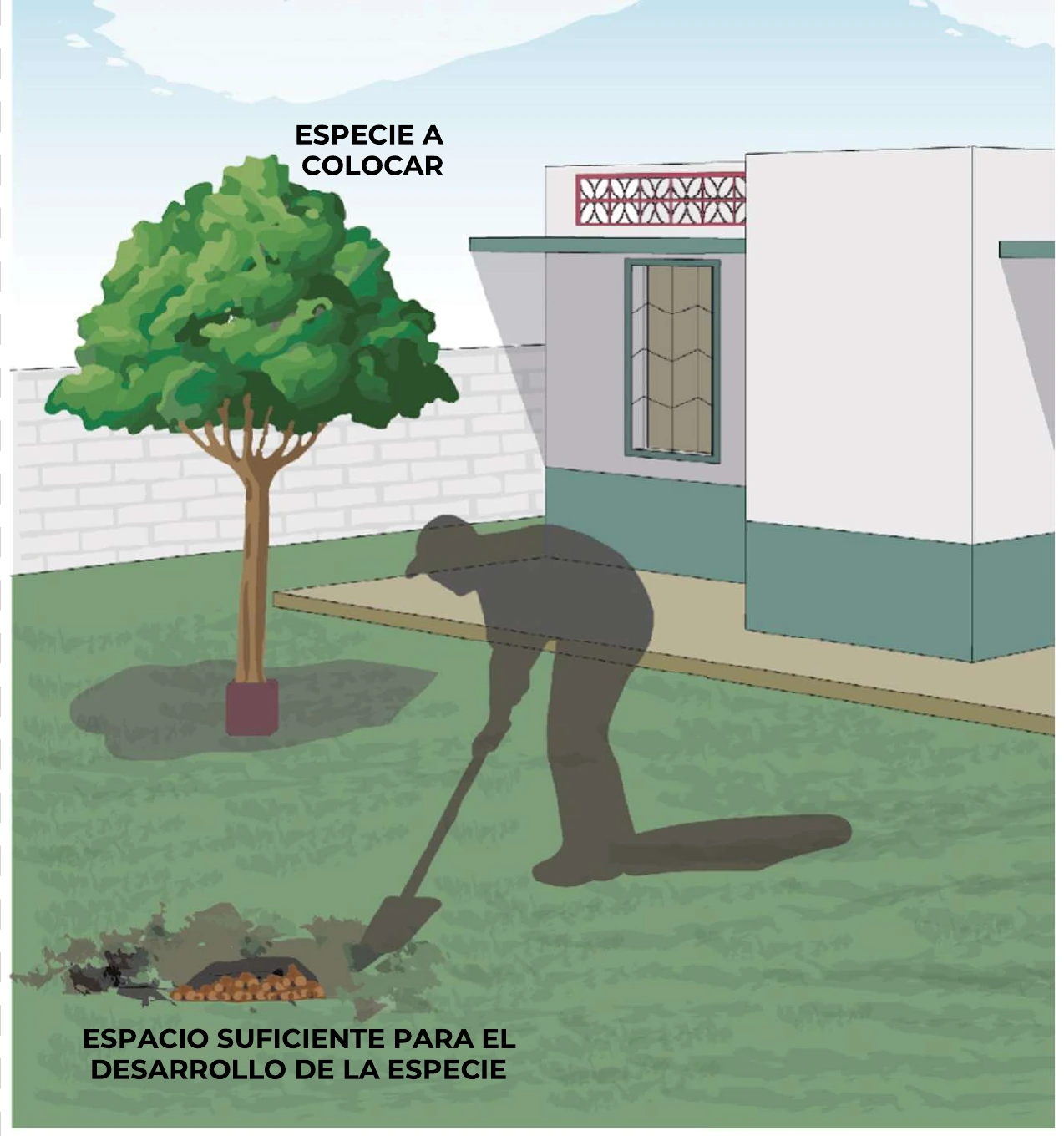
- Choose useful shade and species suited to the available space.
- Measure consumption before and after changes to verify savings.
Integrate rain and maintenance safely
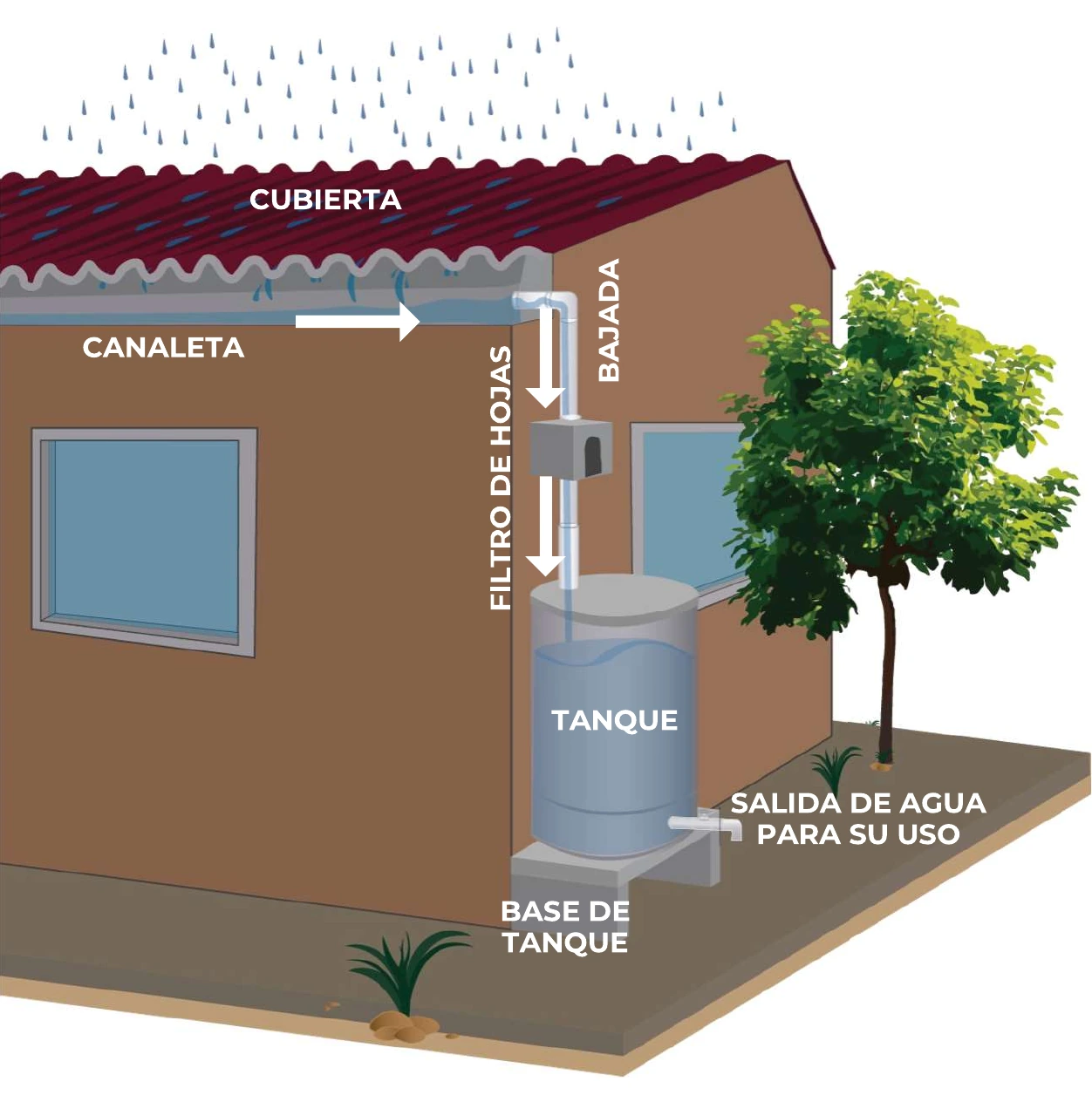
Rainwater harvesting needs clean surfaces, conveyance, filtration, protected storage and a defined use. Do not connect collected water to the potable system or use it for consumption without suitable design, treatment and control. A simple irrigation supply can help if it is maintained and prevents insect breeding.
Record pruning, replacement, irrigation faults and monthly use. If an area needs constant correction, change the design instead of adding water. A dry garden works when maintenance validates plant selection rather than compensating for the wrong location.
Measure irrigation by zone before buying equipment
Place equal containers to check how much water each area receives and inspect moisture below the surface. Irrigate according to plant, soil, shade and season. Find leaks, misdirected heads and windy schedules. A poorly calibrated automatic system wastes water with remarkable consistency.
Improve soil and use suitable organic cover to retain moisture. Group species and reduce turf that has no practical use. Record minutes and frequency, then adjust through observation. Check local restrictions and water quality. Lasting savings come from changing design and scheduling rather than closing a valve for a few days.