
The best payment method depends on your objective
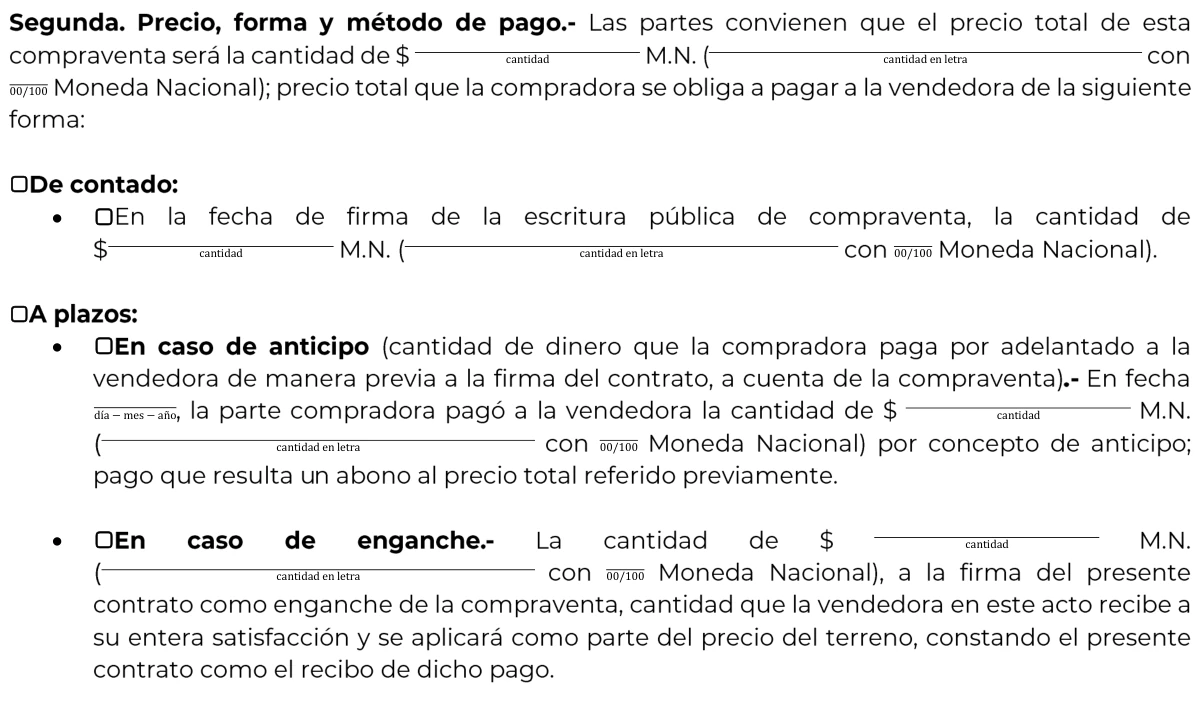
Paying cash can bring a discount and simplify procedures, but it reduces liquidity. Financing preserves cash, although it can increase total cost or limit future options.
There is no universal answer; there is an answer compatible with your cash flow and plan.
Compare with numbers
- Final cash price versus total financed amount.
- Opportunity cost of using all your cash.
- Risk of delays or penalties.
- Possession date, deed path and ability to build.
Balanced decision
Choose the option that lets you buy without losing your reserve. Liquidity also protects your investment.
Compare two complete cash flows on the same date
For cash, add price, formalization expenses and any cost needed to hold or prepare the lot. For financing, record down payment, installments, balloon payments, fees, possible penalties and total paid. Use the same valuation date and do not mix a current discount with a plan from another phase.
Add when possession begins, when construction is permitted and when ownership is formalized. Money paid and rights received do not always advance at the same pace.
Value liquidity without inventing a return
Cash not used for purchase may cover emergencies, future construction or other obligations. Define a minimum reserve and compare what remains after each alternative. Do not justify financing with an unverified future gain or choose cash only because of a discount percentage.
- Test months with lower income or an unexpected family expense.
- Calculate the contractual cost of a late payment.
- Separate construction savings from land-purchase funds.
- Confirm the conditions and cost of early payoff.
Assess the contractual risk of each option
Review cancellation, refund, assignment, lot changes, utility delivery and default consequences. Paying cash does not remove the need to verify ownership and contract terms; financing should not mean accepting a vague legal timeline.
Build a base decision you can sustain without appreciation, resale or refinancing. Analyze those factors later as separate scenarios. If an option removes the budget reserve or depends on conditions that are not written, the lower advertised cost may not be the more resilient alternative.
Compare both paths at one common end date
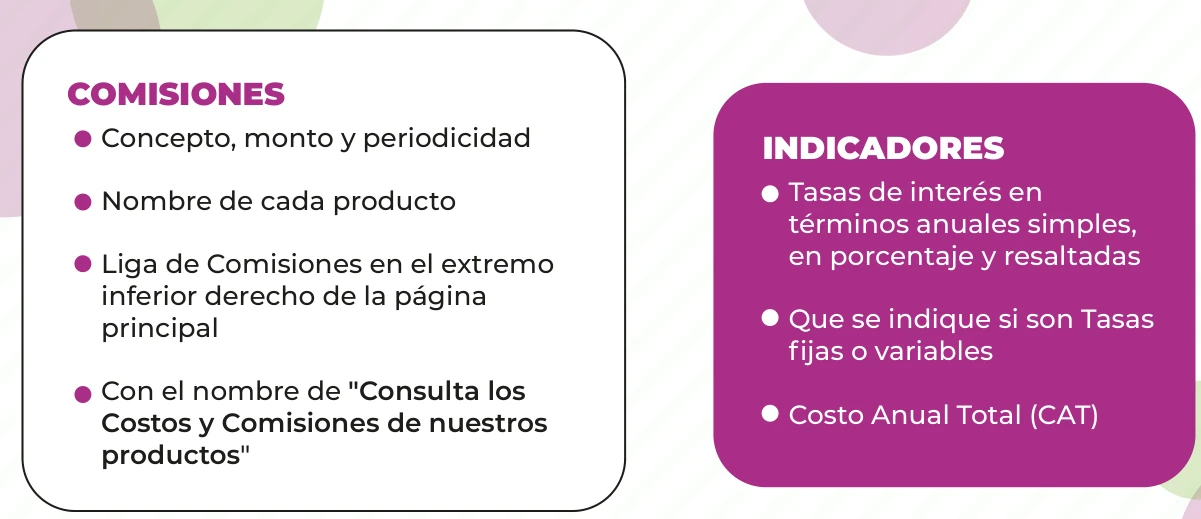
For cash, add price, closing, taxes, immediate site work and the cost of withdrawing money from another investment. For financing, record the down payment, fees, interest, insurance, extra payments and balance by period. Bring both alternatives to the same date and calculate how much liquid savings the household retains after payment.
Test lower income, earlier construction and resale before payoff. Read penalties, collateral, transfer of title and prepayment rules. Financing cost matters, as do an emergency reserve and the ability to carry out the project. Decide with monthly cash flow, total cost and contractual flexibility visible.