
The monthly payment does not tell the whole story
A payment plan may look comfortable because of a low monthly amount, but real cost depends on down payment, term, discounts, penalties and formalization date.
Comparing only the monthly payment can hide important differences.
Variables to compare
- Cash price versus financed price.
- Down payment, monthly payments, term and extraordinary payments.
- Conditions for delay, cancellation or early payoff.
- When possession is delivered and when deed process moves forward.
Healthy plan
Choose a monthly payment you can sustain without neglecting savings, services and family expenses. Building wealth should not suffocate your monthly cash flow.
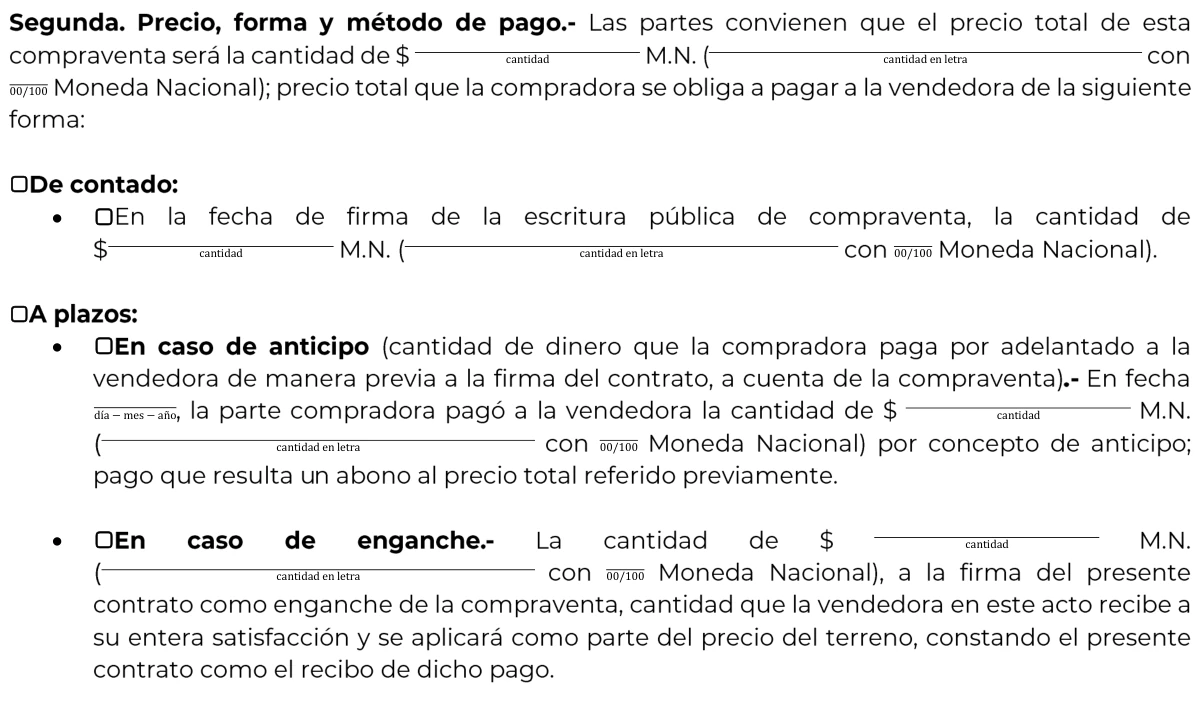
Normalize every offer in one table
To compare plans, record base price, down payment, number and amount of installments, balloon payments, fees, any insurance and the total sum. Add possession, utility-delivery and formalization dates. Two similar monthly payments can carry very different obligations and timelines.
Use the same scenario every time: the same start date and down-payment cash. If a quote depends on a promotion, request its validity, applicable inventory and the exact condition for retaining it.
Read the consequences before modeling the best case
Review what happens after a late payment, early payoff, cancellation, lot change or assignment. Identify grace periods, interest or penalties and how each payment is applied. The agreement, rather than a conversation, should explain these rules.
- Confirm whether payments reduce balance or cover separate items.
- Ask whether early payoff creates a discount, cost or no adjustment.
- Distinguish possession, permission to build and deed formalization.
- Request receipts identifying the lot and payment purpose.
Stress-test the monthly payment
Calculate cash flow after housing, transportation, services, debts and savings. Then test months with lower income or an unexpected expense. If the plan only works in a perfect scenario, a comfortable term may become a default risk.
Keep a reserve and do not treat the maximum offered amount as an automatic target. Before signing, compare total cost with the value of retaining liquidity. The decision should fit the budget without relying on unconfirmed future refinancing.
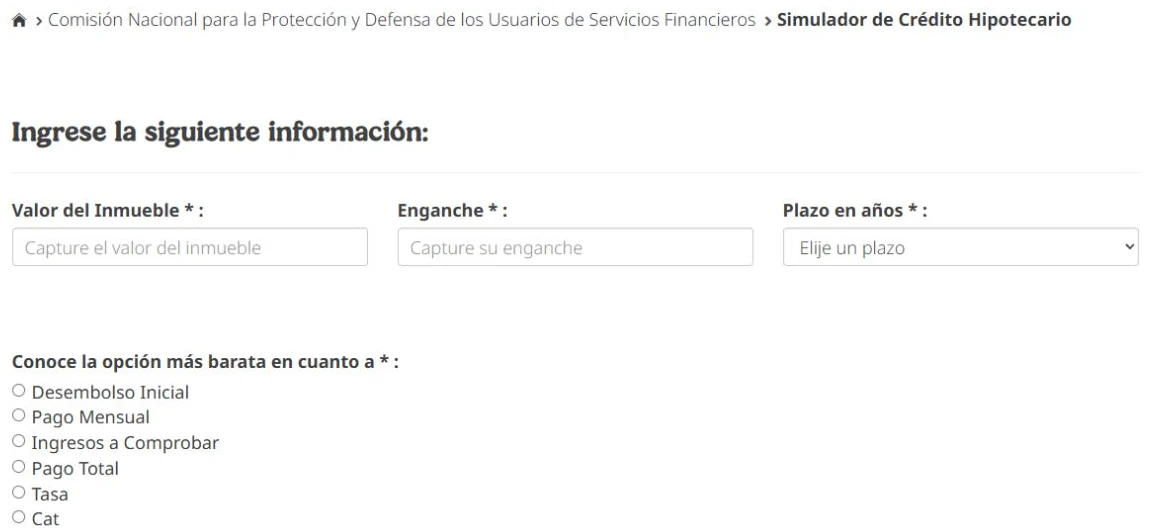
Build the schedule with every payment and consequence
List the reservation, down payment, installments, balloon payments, fees, interest, adjustments and closing cost. Use exact dates and calculate the nominal total. Then test late payment, prepayment and payoff. Ask how each payment is applied and which receipt you receive. A low installment may hide a final payment or long term.
Review when possession begins, when construction is allowed and when ownership transfers. Paying most of the price does not equal holding the deed. Read penalties, termination, refund and assignment terms. Compare plans using the same land price and payoff date. The best plan is one the household can sustain without uncertain income.