Handover should turn promises into observable conditions
Accepting a lot means more than pointing to it from the street. The visit should identify the property polygon, access and every infrastructure element promised in the contract. Bring the current plan, technical exhibit and pending-item list. For a phased project, confirm which infrastructure belongs specifically to the lot's phase.
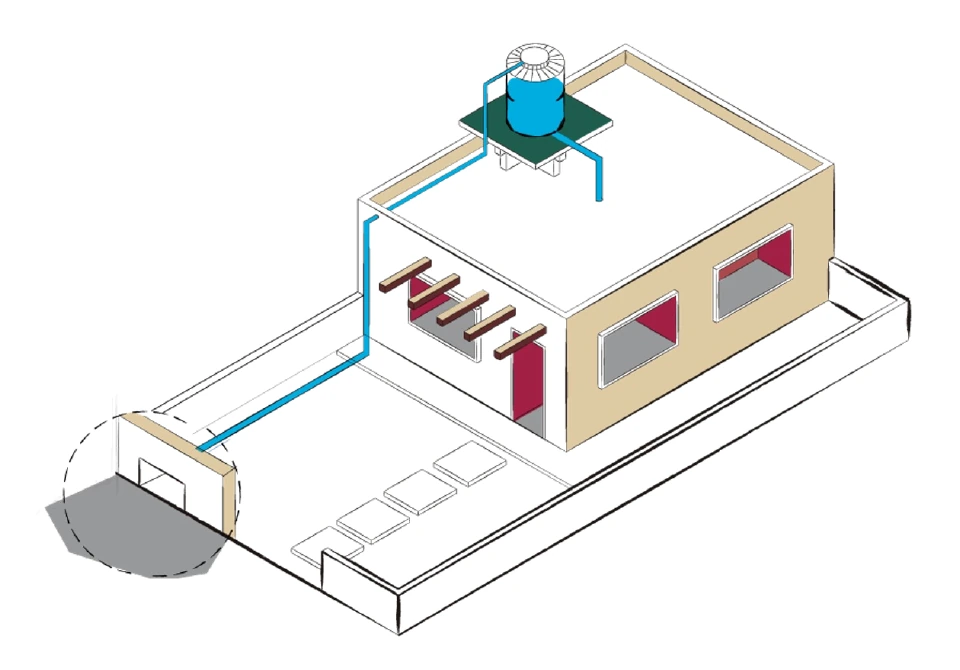
Separate a built network, a prepared connection, a contracted service and an operating service. They are different states. A pipe, pole or access cover does not by itself prove availability, capacity or connection timing. Ask which document and responsible party support each condition.
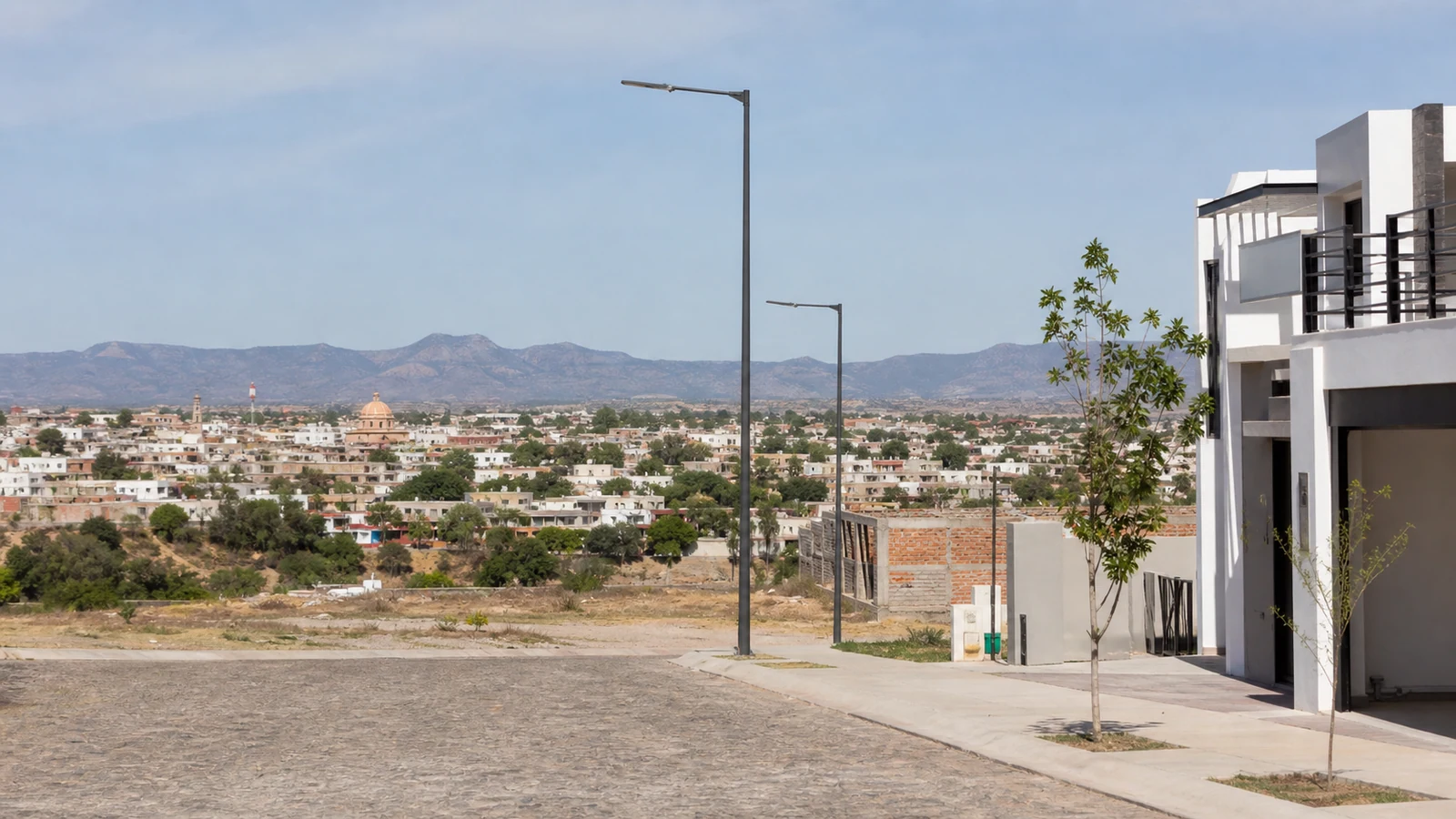
Walk from the street to each connection point
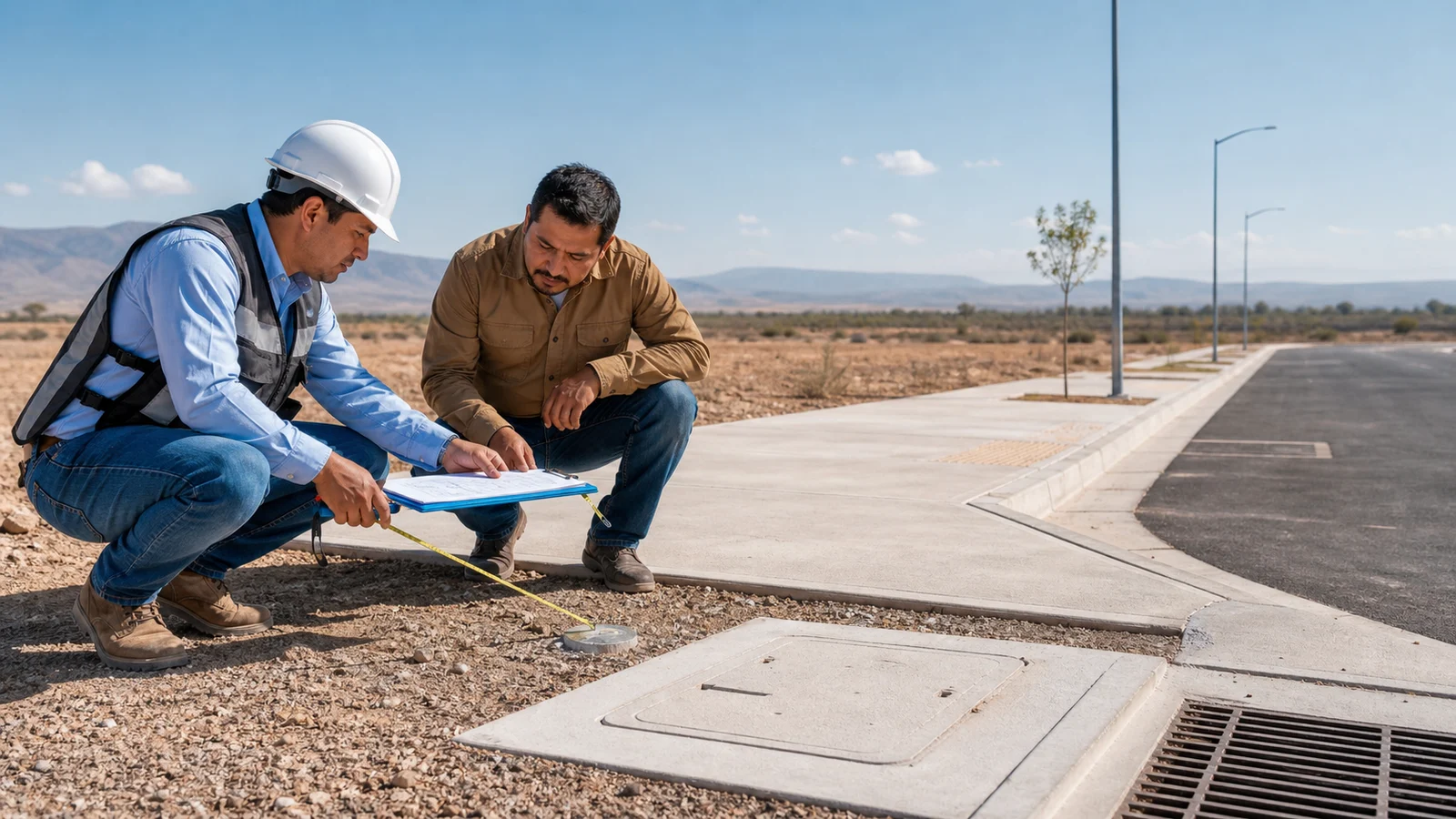
Begin at the main access and continue to the property. Record the location, condition and evidence for each element instead of relying on one panoramic photograph.
- Visible monuments, frontage, depth, levels and boundaries.
- Passable street, curb, sidewalk and slopes without obstructions.
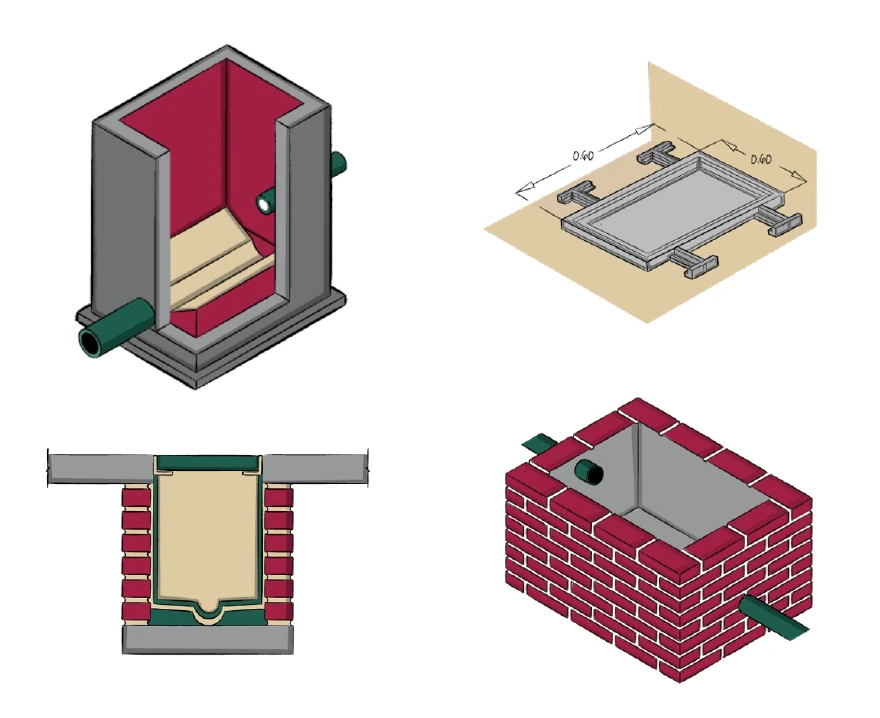
- Water and drainage locations and the visible condition of access points.
- Electrical infrastructure, street lighting and the expected service route.
- Runoff, fill, debris and damage caused by nearby construction.
Document every pending item with an owner and date
The handover record should identify the lot, date, attendees, documents used and findings. Describe each open item in verifiable terms: location, expected condition, correction, responsible party and deadline. Statements such as it will be reviewed or it is in progress cannot demonstrate completion.