
An opportunity should pass filters
Just because a property seems cheap or scarce does not mean it is the best decision. A real opportunity combines price, certainty, usefulness and compatibility with your objective.
Evaluating with filters reduces regret.
Quick matrix
- Location and access for your real use.
- Clear documents, payments and dates.
- Available utilities or verifiable calendar.
- Total cost, not only advertised price.
Decide calmly
If an option fails a critical filter, request clarification before paying. The best opportunity is the one you can understand and sustain.
Write the thesis before looking at the discount
Summarize the purpose in one sentence: living there soon, building, preserving wealth or holding an asset for future use. Define horizon, total budget, required location and non-negotiable conditions. A property that does not serve that purpose does not become suitable only because it is discounted.
Separate listing statements, evidence received and your own assumptions. Date every item. This discipline reveals when the decision depends on a promise that remains undocumented.
Apply filters in order of potential loss
Begin with identity, ownership, contract and the actual feasibility of the intended use. Continue with physical conditions, services, access and restrictions. Only then compare price and exit scenarios. An attractive price does not offset an unresolved critical filter.
- Compare the description and owner with available records and documents.
- Visit the site and test routes at relevant times.
- Add formalization, adaptation, fees and initial maintenance.
- Assign an owner and date to every pending clarification.
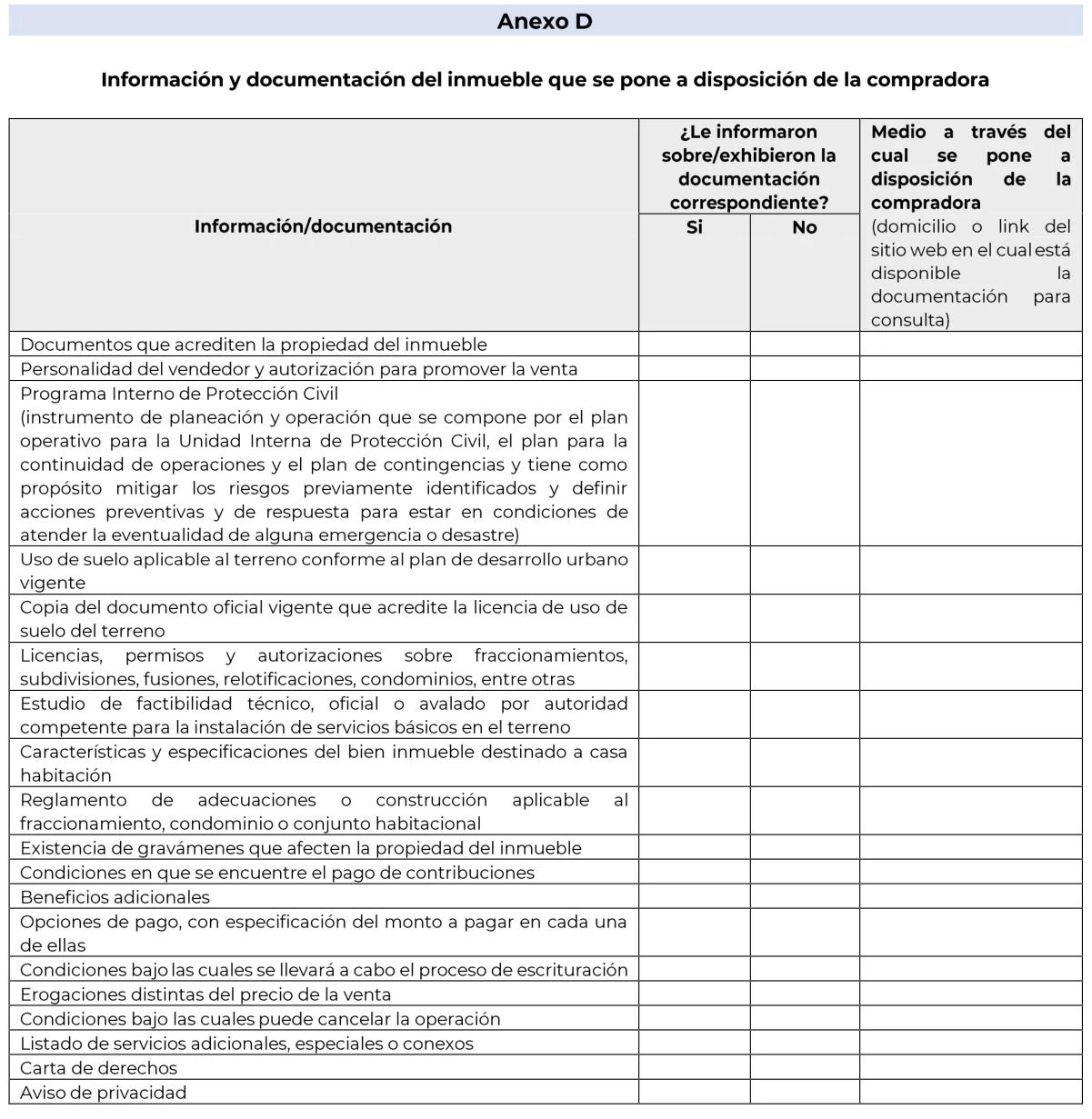
Compare a base case and two adverse scenarios
In the base case, use current conditions and documented timing. Then test a delay in services or delivery and a higher adaptation cost. If the purchase stops being sustainable under a reasonable variation, reduce exposure, renegotiate conditions or reject the option.
Before payment, define which evidence closes the decision and which finding stops it. Keep the matrix with quotes and documents. The tool does not predict the market or replace professional advice; it prevents urgency, scarcity or enthusiasm from changing the criteria halfway through the process.
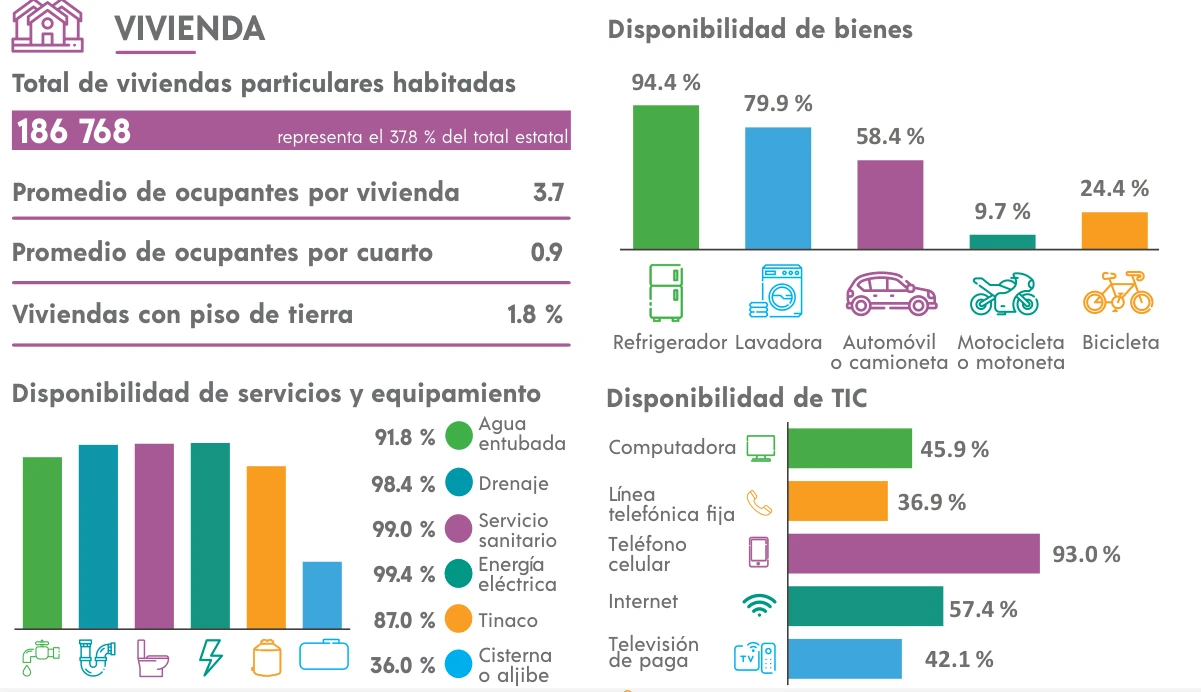
Write the thesis and the conditions that disprove it
Summarize on one page why you would buy: use, horizon, price, demand, costs and exit. Beside every assumption record the evidence and a condition that would make it false. If returns depend on rent without comparables, an uncertain permit or a future road, treat that input as risk rather than confirmed income.
Calculate base, conservative and stress cases with taxes, maintenance, vacancy, financing and sale expenses. Set the maximum price and required documents before negotiating. An opportunity stops being attractive when it requires ignoring a material contradiction. Preserving the ability to decline also protects capital.